How Long Does Spray Foam Insulation Last?
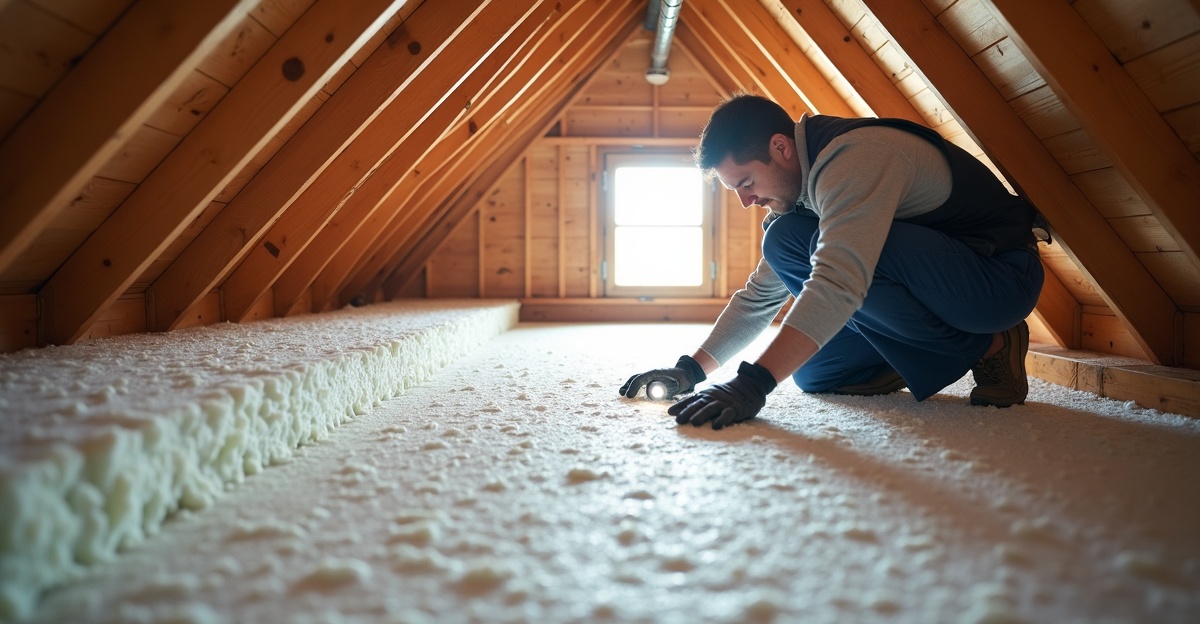
Understanding how long spray foam insulation lasts helps us plan for long-term energy performance, maintenance needs, and overall return on investment. When we install and protect it correctly from moisture and UV exposure, both open-cell and closed-cell spray foam typically perform for 20–30+ years. In many structures, it lasts for the full life of the building while maintaining a stable R-value and consistent air sealing.
Key Takeaways
- Spray foam insulation carries a 20–30+ year lifespan in most applications, and when we install it properly, it often performs for the life of the structure.
- Installation quality, correct thickness, and proper moisture control drive long-term results more than the raw material itself.
- Closed-cell foam resists moisture better and adds structural strength, while open-cell foam performs reliably in interior areas that stay dry and protected.
- Spray foam resists settling, holds its shape, and creates an integrated air barrier, which sets it apart from fiberglass or cellulose.
- Regular inspections allow us to catch moisture intrusion, UV damage, or air seal breaks early before they reduce performance.
What You Can Realistically Expect from Spray Foam Insulation Over Time
Spray foam insulation typically lasts 20–30+ years and, when properly installed and protected, often lasts the life of the structure. It’s widely considered a long-term insulation solution because it doesn’t settle, sag, or compress like many traditional materials.
That doesn’t mean it lasts forever. It means the material maintains its structure and performance for decades under the right conditions.
Open-cell and closed-cell spray foam both offer extended lifespans, with some differences in performance:
- Open-cell spray foam performs reliably for decades in interior applications when protected from moisture. It remains flexible and maintains its air-sealing qualities inside walls and conditioned attic spaces.
- Closed-cell spray foam is denser and more resistant to moisture. It adds structural rigidity and is often used along roof decks and exterior-adjacent assemblies. Like open-cell, it’s typically rated for 20–30+ years and frequently lasts the life of the building when installed correctly.
Over time, owners can expect sustained performance from spray foam in several ways:
- Stable R-value with minimal degradation
- Consistent air sealing
- Reduced dust infiltration
- Improved indoor comfort
- Little to no settling
Those outcomes are what define true long-term performance.
What Determines Spray Foam Lifespan in Real-World Conditions
The material itself is built for durability. In practice, long-term results depend on how the system is installed and how the building is maintained.
Installation quality and proper thickness come first. The substrate must be clean and dry. The installer must apply consistent depth and maintain correct mixing ratios. Full cavity coverage is essential. Even small gaps or uneven application can reduce long-term effectiveness.
Climate also plays a major role, especially in Arizona. Attic temperatures can reach extreme levels. Roof decks absorb intense solar exposure. Prolonged high outdoor temperatures push insulation systems hard year after year. Properly installed spray foam handles these conditions well, but poor installation shows up quickly in this environment.
Moisture management is equally important. Roof leaks, bulk water intrusion, or inadequate ventilation can compromise any insulation system over time. Closed-cell foam resists moisture better than many materials, but no insulation should sit in ongoing wet conditions.
UV exposure must also be controlled. Direct sunlight degrades exposed foam. In roof applications, foam must be covered or coated to protect it from ultraviolet light.
Structural movement and renovation work can affect lifespan. Cutting into cured foam during remodeling or experiencing significant building movement can break the air seal. Once continuity is disrupted, performance drops in that area.
In our experience, long-term durability depends more on correct installation and sound building science than on the chemical material alone. The foam is engineered to last. The installation determines whether it actually does.
Is Spray Foam a Permanent Insulation Solution? What That Really Means
In practical terms, a “permanent insulation solution” means insulation designed to last decades without settling or losing shape. Spray foam fits that description when properly installed.
It adheres directly to framing and sheathing. That adhesion limits air gaps and helps maintain performance over time. It doesn’t shift or sag. It doesn’t loosen inside cavities. It doesn’t allow air to move through it the way fiberglass can.
Compared to fiberglass batts, which can compress or pull away from framing, spray foam holds its position. That stability drives consistent performance year after year.
We avoid claiming it lasts forever. No building material is immune to damage. Moisture intrusion, prolonged UV exposure, or major construction alterations can affect performance. However, under normal conditions, spray foam often lasts as long as the structure itself.
That’s what makes it a long-term solution: predictable decades-long performance with minimal change when properly installed and maintained.
How Spray Foam Compares to Other Durable Insulation Options
Several durable insulation options are available. Each has a place, but performance differences matter over the long run.
Lifecycle and Performance Comparison
Here’s how spray foam compares with other common materials:
Fiberglass batts or blown-in fiberglass
- Typical lifespan of 10–25 years depending on conditions
- Can settle or compress over time
- Requires separate air sealing measures to control leakage
Cellulose
- Treated for fire and pest resistance
- Can settle over the years, reducing effective R-value
- More sensitive to moisture exposure
Rigid foam board
- Long lifespan similar to spray foam in protected applications
- Requires careful seam sealing to prevent air gaps
Spray foam
- Integrated air barrier
- Strong resistance to settling
- Consistent R-value retention
- Adheres to substrates, limiting air movement
Each material can perform well when installed correctly. The difference often lies in air sealing and long-term stability. Spray foam combines insulation and air barrier in one application, reducing the number of steps required to achieve high performance.
For many Arizona homes and commercial spaces, that integration offers measurable lifecycle value, especially in high-heat attic and roof deck environments.
Signs Spray Foam May Need Repair or Evaluation
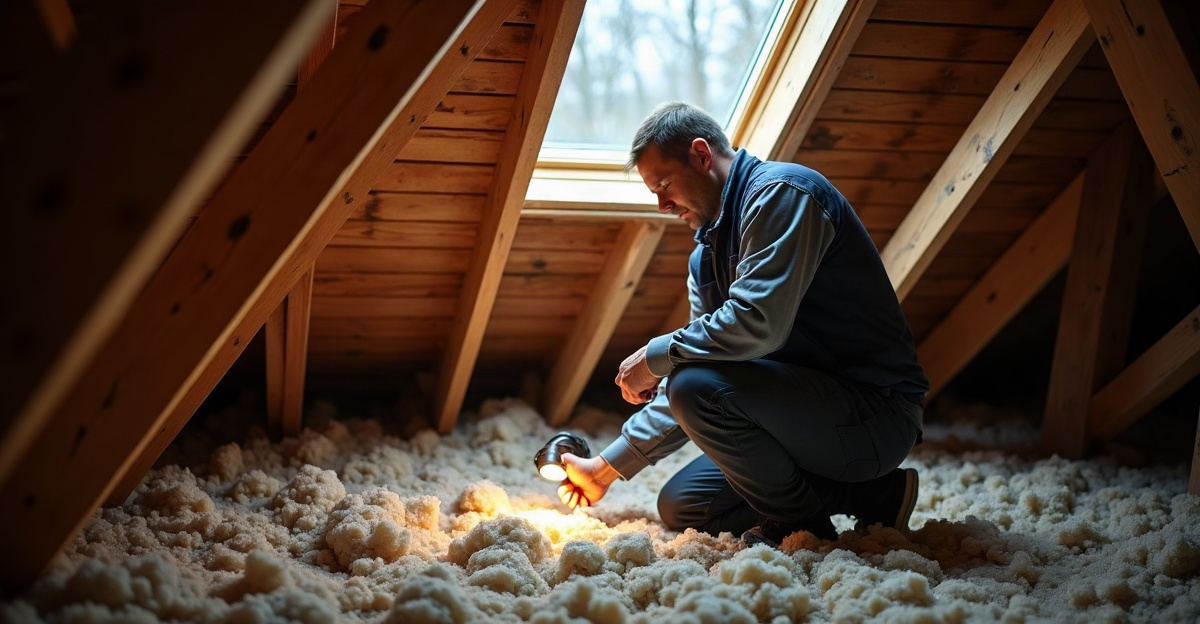
Spray foam is durable, but it isn’t immune to damage. Periodic visual checks help catch issues early.
Visible shrinkage or separation from framing can indicate application problems or movement in the structure. Soft spots or moisture staining may point to roof leaks. Address the water source first before considering insulation repair.
Unusual indoor temperature swings or rising energy bills can also signal a problem. Disrupted air seals, pest intrusion, or renovation cuts through foam can reduce performance in specific areas.
In some cases, targeted repairs or partial replacement are enough. After significant water intrusion or major structural changes, larger corrective work may be needed.
We recommend periodic attic and roof deck inspections, especially in Arizona’s high-heat environments. Early identification keeps performance on track for the long term.
Long-Term Performance and Lifecycle Value in Arizona Homes and Buildings
Spray foam insulation is commonly rated for 20–30+ years. In residential and light commercial settings, it frequently lasts the life of the structure when properly installed.
Over decades, owners benefit from:
- Sustained energy efficiency due to stable R-value
- Reduced air leakage and dust intrusion
- Improved indoor comfort in extreme heat
- Minimal maintenance compared to materials that settle or shift
Those benefits compound over time: lower energy demand, fewer comfort complaints, and reduced need for insulation adjustments.
For property owners evaluating spray foam insulation, lifespan should be measured in real-world durability, not just upfront cost. Installation quality, climate, and building design all factor into long-term results.
In new builds and remodels, residential insulation services and commercial insulation solutions should be planned with decades in mind. For existing structures, retrofit insulation projects can significantly improve long-term performance when applied correctly.
Clear planning leads to predictable results. For guidance on long-term performance planning or to schedule an evaluation, we recommend reaching out through our contact page.