What Is the Best Insulation for Arizona Homes?

The best insulation for Arizona homes must handle extreme attic temperatures, intense solar gain, and long cooling seasons that push HVAC systems hard. In desert climates, we focus on the right R-value, strong air sealing, and climate-specific installation to control heat flow, stabilize indoor temperatures, and deliver lasting performance.
Key Takeaways
- We address conduction, air leakage, and radiant heat, not just R-value, when we insulate Arizona homes.
- We treat the attic as the top priority, often installing R-38 to R-60 insulation with comprehensive air sealing.
- We use spray foam for superior air sealing and steady performance, while we install fiberglass and cellulose with precision so they perform as intended.
- We add radiant barriers to reduce solar heat gain, but we use them to support insulation rather than replace it.
- We achieve long-term results through proper material selection, complete coverage, and professional installation that aligns with the home’s design.
Choosing the Best Insulation for Arizona’s Extreme Desert Climate
The best insulation for Arizona homes must perform under extreme desert conditions. In many attics, temperatures exceed 140°F during summer, and intense solar gain, low humidity, wide temperature swings, and long cooling seasons all affect how insulation functions.
Desert heat is relentless. It pushes through roofing materials, superheats attics, and forces HVAC systems to run for extended hours. Over time, average insulation systems that work in milder climates struggle to keep up.
We see common homeowner complaints that directly connect to this environment:
- High cooling bills during long summers
- Uneven indoor temperatures between rooms
- Excessive attic heat that radiates into living spaces
- Aging or compressed insulation losing effectiveness
Insulation for hot climates must do three things well. It needs to reduce heat gain, limit air movement, and support the long-term performance of the building. It also needs to ease the workload on HVAC equipment that runs most of the year.
There is no single miracle material that solves every issue. The best choice depends on location within the house, whether it’s new construction or a retrofit, budget, and long-term performance goals. Climate-appropriate, energy efficient insulation is what delivers consistent results in Arizona.
What Makes Insulation “Best” in Arizona Homes?
R-value matters, but it’s only part of the equation. R-value measures resistance to conductive heat flow. It does not measure air leakage or radiant heat transfer. In a desert climate, those factors have real impact.
Heat enters through conduction, radiation, and air movement. If insulation does not address air sealing, hot attic air infiltrates the living space. Gaps, cracks, and duct leakage reduce HVAC efficiency and strain the cooling system.
A high R-value product with poor installation can underperform. A moderate R-value system with strong air sealing and proper attic ventilation often performs better in real-world conditions.
The building envelope must function as a system. That includes:
- Continuous insulation coverage
- Integrated air sealing
- Controlled attic ventilation or unvented design
- Minimized duct leakage
Application area also determines what works best.
Attic insulation in Arizona is often the most critical upgrade. That’s where the most heat gain occurs. Exterior walls also matter, especially in west-facing exposures. Crawl spaces, garage ceilings, and bonus rooms over garages frequently suffer from temperature imbalance.
Unvented attic designs behave differently than traditional vented attics. Spray foam along the roof deck changes how heat is managed compared to blown insulation on the attic floor. Each approach requires correct design and installation.
Material choice influences performance. Installation quality determines whether that performance is achieved.
Comparison of the Most Common Insulation Types for Arizona Homes
Different materials solve different problems. The most energy efficient insulation for hot climates depends on how and where it is installed.
Spray Foam Insulation
Spray foam insulation provides both insulation and air sealing in one system. It expands to fill gaps and adheres directly to framing and sheathing. That reduces uncontrolled airflow and improves HVAC efficiency.
We often install spray foam insulation in unvented attic assemblies where controlling attic heat is critical. Homeowners evaluating spray foam in Arizona often focus on long-term comfort and energy stability.
Open-cell and closed-cell foam differ in density, cost, and vapor control. Our comparison of open-cell vs. closed-cell spray foam outlines where each works best.
Spray foam has a higher upfront investment. In return, it delivers strong air sealing and consistent thermal performance. Retrofit applications require careful planning, especially in existing vented attics.
Fiberglass and Cellulose
Fiberglass insulation remains a budget-friendly and common choice. It performs well when installed without gaps or compression. For many attic insulation Arizona projects, blown-in fiberglass is practical and effective.
Our breakdown of batt insulation vs. blow-in insulation explains the performance differences in real terms. Where budget drives decision-making, properly installed fiberglass can deliver solid results.
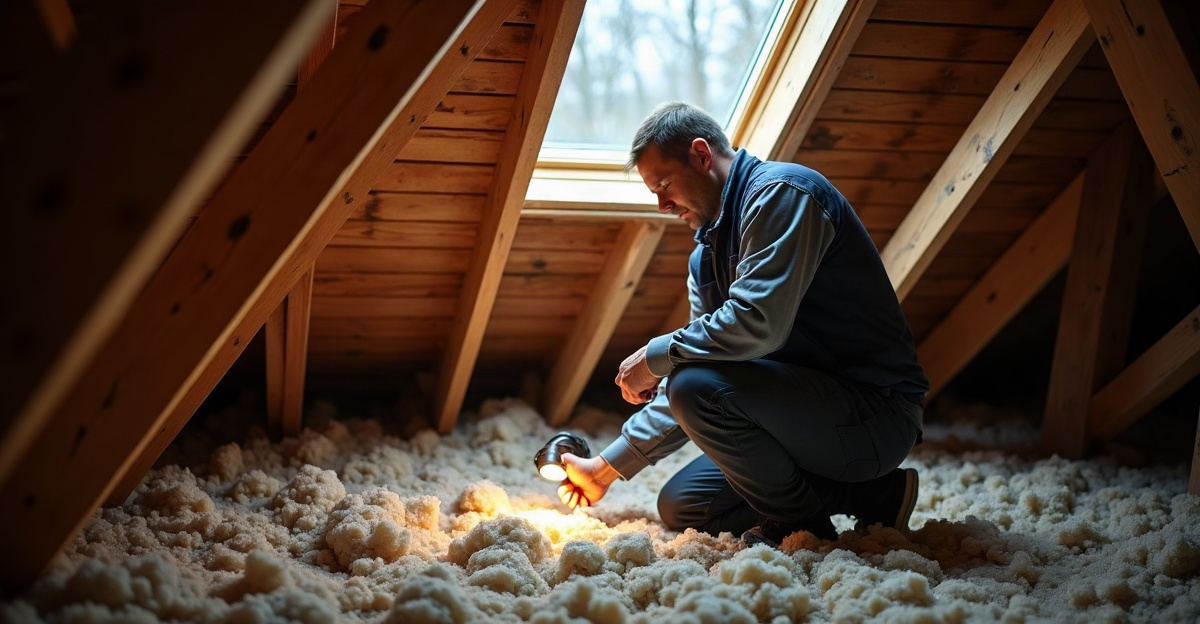
Over time, though, we frequently encounter aging batt insulation issues such as compression and gaps that reduce effectiveness.
Cellulose insulation offers dense-pack advantages for wall retrofits. It fills cavities more completely than loosely installed batts. In attics, correctly installed cellulose can perform well, but extreme attic heat requires careful depth and ventilation considerations.
Radiant barriers also play a role in high solar gain environments. They reduce radiant heat transfer but do not replace insulation. We treat them as complementary, not standalone, solutions.
No product is universally superior. Performance depends on attic design, wall construction, access, and long-term goals.
Best Insulation by Application: Where It Matters Most
Each part of the structure affects comfort differently. Strategic upgrades provide the most return.
Attics
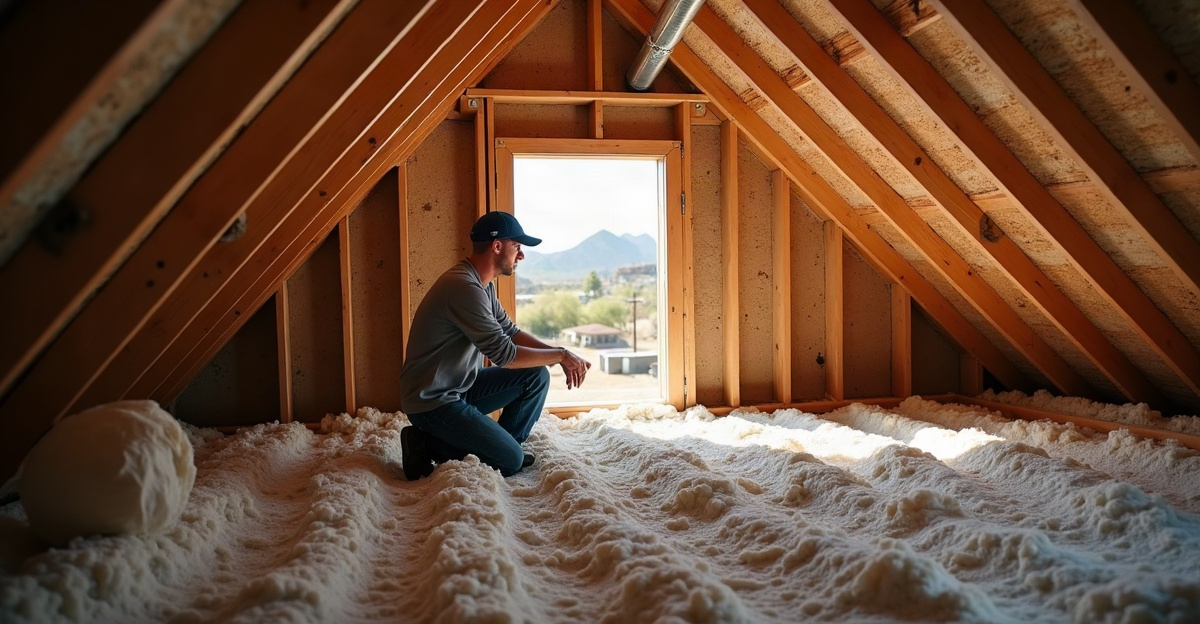
Hot attics drive Arizona cooling demand. Superheated air above the ceiling increases ceiling temperatures and forces HVAC systems to cycle longer.
For most Arizona homes, recommended attic insulation levels commonly range from R-38 to R-60, depending on structure and code requirements. Reaching those levels requires proper depth and uniform coverage.
Air sealing must accompany added insulation. Without it, conditioned air escapes and attic heat infiltrates the living space.
In vented attics, we typically add blown insulation across the attic floor. In unvented designs, we may apply spray foam along the roof deck to control heat at the source.
Walls, Garages, and Commercial Applications
Wall insulation depends on construction type. New builds allow full access for spray foam, fiberglass batts, or dense-pack cellulose. Existing homes often require retrofit insulation strategies.
Our retrofit insulation services address wall cavities and under-insulated areas without full demolition. Strategic upgrades can significantly improve home insulation Arizona performance in older properties.
Garage ceilings and bonus rooms over garages commonly experience temperature extremes. Air sealing shared boundaries between conditioned and unconditioned spaces is critical. Ignoring these transitions leads to persistent comfort complaints.
Light commercial buildings in desert climates benefit from insulation systems that stabilize long-term HVAC performance. Consistent interior temperatures protect equipment, inventory, and occupant comfort. Desert climate insulation must support operational reliability over many years.
Cost vs. Long-Term Performance in a Hot Climate
Upfront cost matters. Long-term performance matters more.
Lower-cost insulation can perform well when installed correctly and paired with proper air sealing. Higher-investment systems such as spray foam often provide added air control and durability that improve overall building performance.
We focus on practical results:
- Improved indoor comfort
- Reduced HVAC strain
- More consistent room temperatures
- Greater energy stability during long cooling seasons
Energy efficient insulation reduces temperature extremes and short cycling. It supports HVAC systems instead of overloading them.
Lifetime value depends on correct material selection, proper depth, integrated air sealing, and professional installation. Cutting corners during installation can erase the advantage of a high-performance material.
Signs It May Be Time to Upgrade — and Why Professional Installation Matters
Certain indicators signal insulation problems in Arizona homes.
High cooling bills that continue climbing often point to heat gain through the attic or walls. Uneven temperatures between rooms suggest air leakage or inconsistent coverage. An extremely hot attic, even by desert standards, usually indicates insufficient insulation or ventilation problems. Aging, compressed, or damaged insulation loses effectiveness over time.
Many of these issues trace back to installation quality. Insulation must integrate with air sealing and overall building envelope design. Complex assemblies such as unvented attics require proper planning and execution.
DIY assumptions can create moisture issues, ventilation conflicts, or incomplete coverage. Experienced evaluation makes the difference between short-term improvement and long-term performance.
The best insulation for Arizona homes depends on structure, budget, and performance goals. Insulation for hot climates must match real desert conditions. Energy efficient insulation works when it’s correctly selected, properly installed, and aligned with how the home actually functions.
Informed decisions lead to durable comfort. Hype does not.