What Is Retrofit Insulation for Older Homes?
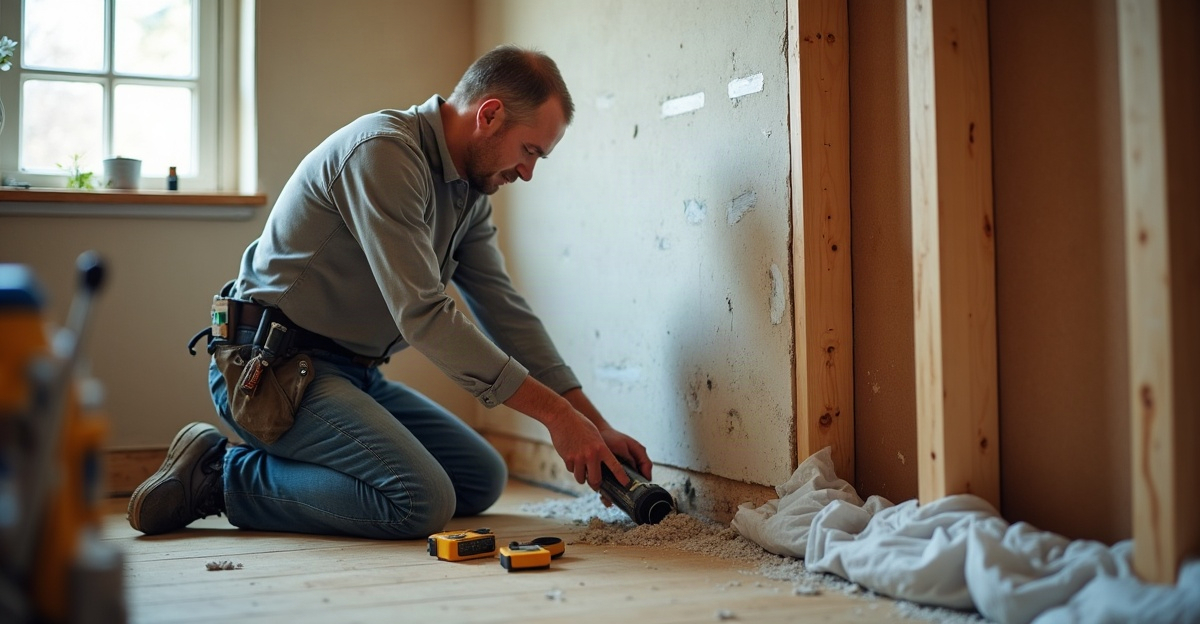
Retrofit insulation refers to the process of upgrading or adding insulation to an existing, finished home without tearing down major sections of walls or ceilings. We use this approach to improve comfort, energy efficiency, and HVAC performance, especially in homes built between the 1970s and 1990s where insulation levels often fall below current standards.
What is retrofit insulation? What is retrofit insulation for older homes refers to upgrading or adding insulation within existing finished structures—such as attics, walls, crawl spaces, and garage ceilings—without major demolition, with a focus on improving comfort, energy efficiency, and HVAC performance in homes built between the 1970s and 1990s.
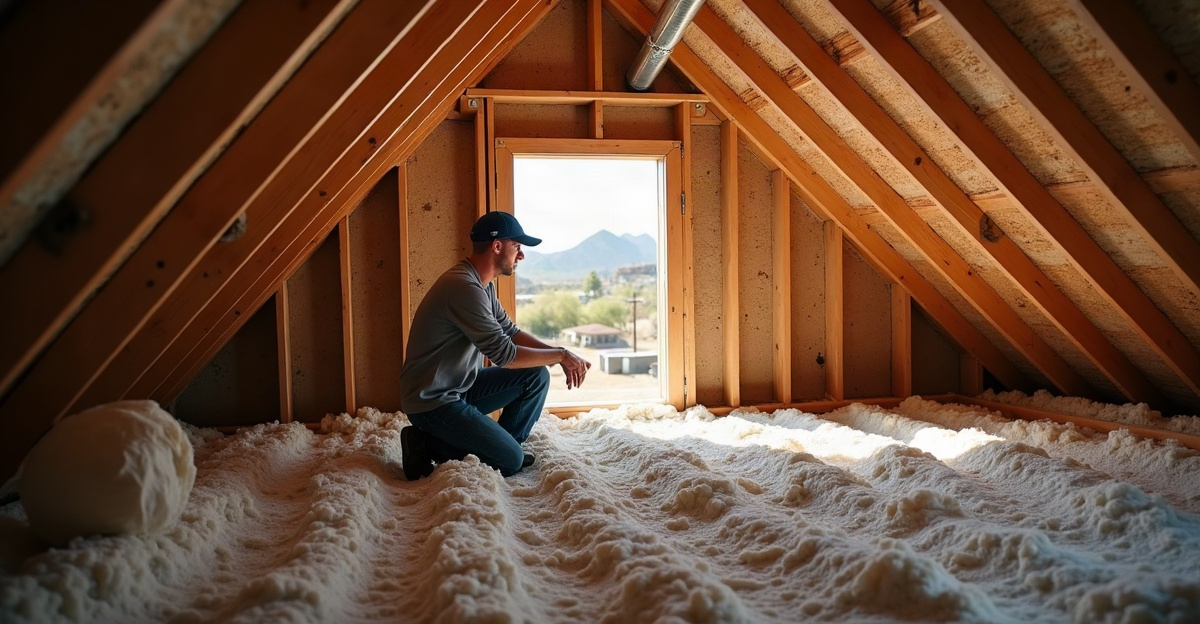
We apply retrofit insulation in areas like attics, wall cavities, crawl spaces, and garage ceilings by using targeted access points instead of full demolition. Our team installs blown-in fiberglass or cellulose in closed cavities and reinforces attic insulation to meet modern R-value recommendations. This method allows us to improve thermal performance while keeping the home intact.
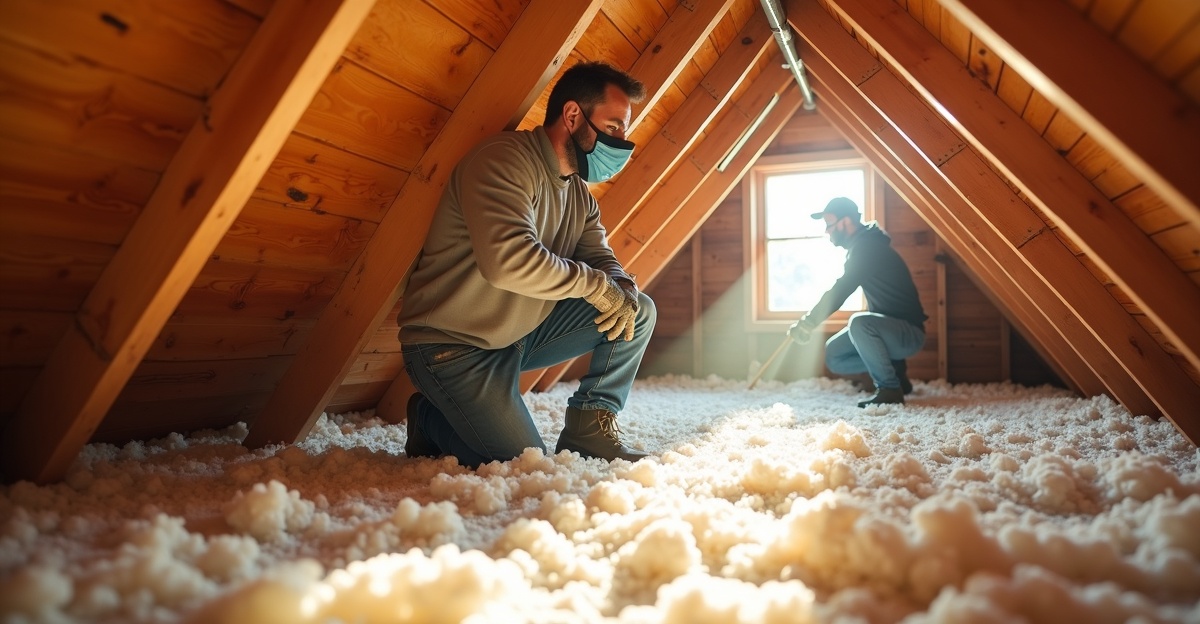
Older homes often suffer from uneven temperatures, high utility bills, and overworked HVAC systems. We address those issues by adding insulation where it lacks density or coverage. In hot climates like Arizona, attic upgrades deliver some of the most noticeable improvements. Proper insulation blocks excessive heat transfer through the roof and reduces cooling demand during extreme summer months.
Retrofit insulation differs from full insulation replacement. We replace insulation only when water damage, contamination, pest activity, or heavy compression reduces performance. Otherwise, we enhance the existing material to increase overall thermal resistance.
Air sealing plays a central role in every retrofit project. We seal gaps around recessed lighting, duct penetrations, attic hatches, and top plates before installing new insulation. That step prevents conditioned air from escaping and keeps hot attic air from entering the living space. Insulation alone cannot solve airflow problems, so we always combine both measures for measurable results.
Homeowners gain lower energy bills, more stable indoor temperatures, and improved system efficiency through a properly planned retrofit. Our approach balances building science principles with practical installation methods that protect finished surfaces.
Key Takeaways
- Retrofit insulation improves existing insulation in finished homes without removing drywall or fully opening wall cavities.
- It differs from full insulation replacement, which is required when materials are damaged, contaminated, or severely degraded.
- Common installation areas include attics, exterior walls, crawl spaces, rim joists, and garage ceilings.
- Air sealing and proper inspection are critical to ensure insulation delivers measurable performance gains.
- In Arizona’s hot climate, upgrading attic insulation can reduce HVAC strain, balance indoor temperatures, and improve overall energy efficiency.
Do not modify or enhance the wording; the text must remain identical except for the HTML markup.
Do not convert the first sentence or introductory text into a heading — it must remain a normal paragraph (<p>).
What Is Retrofit Insulation for Older Homes?
Retrofit insulation is the process of adding or upgrading insulation in an existing home without major reconstruction or removing all interior finishes. Instead of opening walls down to the studs, we improve the performance of what is already there.
In simple terms, retrofit insulation upgrades older home insulation so it performs closer to today’s standards. We install it in attics, walls, crawl spaces, rim joists, and garage ceilings. The goal is straightforward: improve comfort, energy efficiency, and overall building performance without tearing the house apart.
Unlike new construction, where insulation goes in before drywall, retrofit projects work within finished structures. We enhance existing assemblies rather than starting from open framing. That makes it a practical solution for Arizona homeowners, builders, remodelers, and light commercial property owners evaluating energy upgrades.
This retrofit insulation guide focuses on real-world applications in older Arizona homes, especially those built between the 1970s and 1990s.
How Retrofit Insulation Differs from New Construction and Insulation Replacement
New construction insulation is installed before drywall and interior finishes. Crews have full access to open wall cavities, ceilings, and floors. That allows for fast installation but only applies to homes that are being built from the ground up.
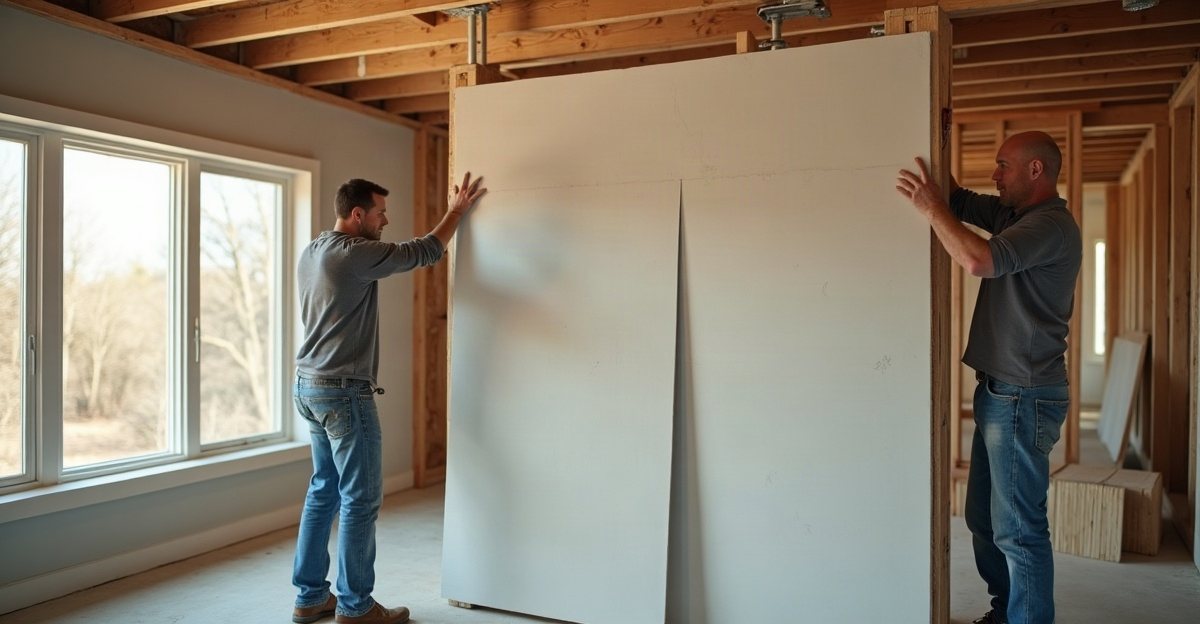
Retrofit insulation works inside finished homes. We access attics, drill small wall openings, and work through existing cavities with minimal disruption. Drywall typically stays in place.
It is also important to separate retrofit upgrades from full insulation replacement. Retrofit adds to or improves insulation that is still serviceable. Insulation replacement involves complete removal, usually due to moisture damage, contamination, pest infestation, or material that has severely degraded.
Not every older home needs a complete tear-out before upgrading. In many Arizona homes, attic insulation can be safely topped off or improved.
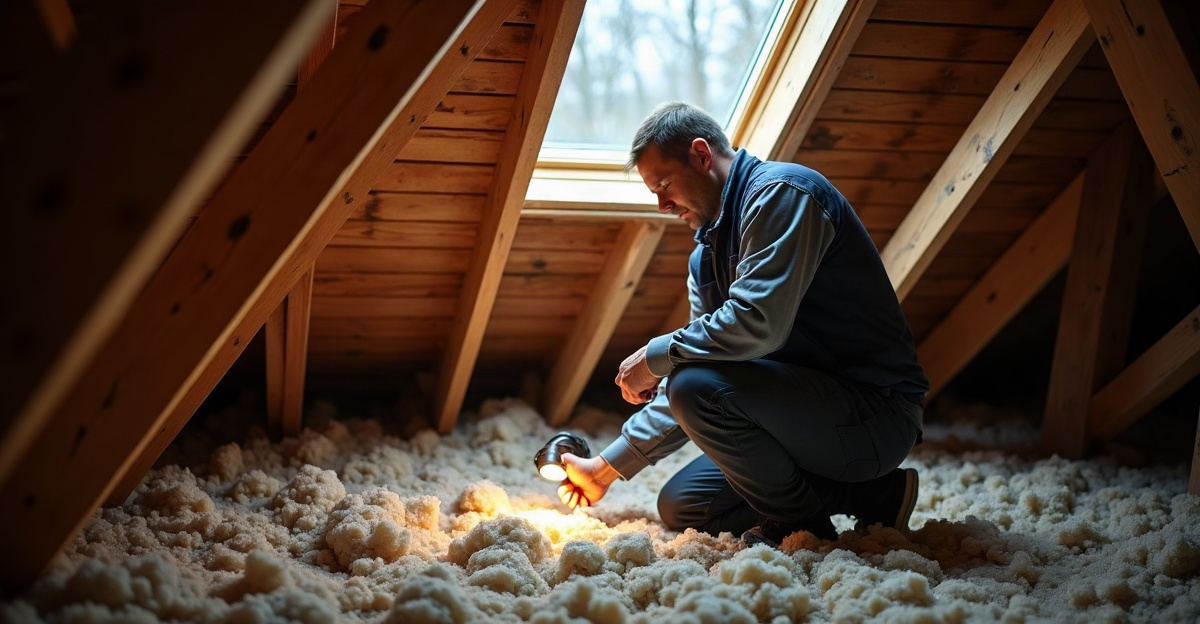
A proper inspection determines the right path. We assess condition, depth, moisture levels, ventilation, and overall home design before recommending retrofit or full replacement. There is no universal fix. The right solution depends on what is actually in the attic, walls, or crawl space.
Signs an Older Arizona Home May Need Retrofit Insulation
Arizona’s climate exposes insulation weaknesses quickly. Long, intense summers make performance gaps obvious.
Common warning signs include:
- High cooling costs during extended hot seasons
- Uneven indoor temperatures, such as hot bedrooms and cooler living areas
- Noticeable attic heat transfer or drafty rooms
- Homes built in the 1970s–1990s with minimal attic insulation
- Ductwork located in extremely hot attics
- Outdated or compressed older home insulation
- HVAC systems running constantly or struggling to maintain temperature
Many older homes were built with insulation levels that no longer meet current performance expectations. In cooling-dominated climates like ours, inadequate attic insulation has a direct impact on comfort and system strain.
How do I know if my older home needs insulation replacement?
We start with a professional assessment. That includes checking insulation depth, material condition, air leaks, ventilation, and any moisture issues.
If insulation is dry, relatively clean, and structurally intact, a retrofit upgrade is often sufficient. If we see signs of water damage, mold, heavy contamination, or severe settling, partial or full removal may be necessary before reinstalling new material. The recommendation should match the home’s actual condition, not a one-size-fits-all approach.
Where Retrofit Insulation Is Installed and Materials Commonly Used
Attics are the most common and highest-impact retrofit area in Arizona. During summer, attic temperatures can skyrocket, placing extreme stress on ceilings and ductwork. Improving attic insulation often delivers the most noticeable comfort gain.
We install retrofit insulation in:
- Attics
- Exterior walls using dense-pack methods through small access openings
- Crawl spaces and rim joists
- Garage ceilings beneath conditioned rooms
Several materials are commonly used, depending on the application. Blown-in insulation, often fiberglass, works well in attics because it fills gaps and raises overall R-value efficiently. Cellulose is heavier and slows air movement effectively, which makes it useful in wall cavities. Spray foam insulation provides both insulation and air sealing when properly applied, making it ideal for sealing irregular spaces and penetrations. In some situations, batt insulation may be used in accessible framing areas.
R-value measures resistance to heat flow. In Arizona’s extreme attic temperatures, higher R-values improve thermal resistance and protect conditioned spaces below. The right material and depth depend on the structure, budget, and performance goals.
Most retrofit projects fall under broader residential insulation services, with adjustments based on the age and design of the home.
How Air Sealing and Proper Assessment Fit Into a Retrofit Project
Adding insulation alone will not solve every comfort issue. Air sealing is critical, especially in hot climates.
Typical leakage areas include attic penetrations, top plates, duct chases, recessed lighting, and wiring holes. These gaps allow conditioned air to escape and hot attic air to infiltrate living spaces. If we ignore them, new insulation will not deliver full performance.
A structured retrofit project usually follows these steps:
- Professional inspection and evaluation
- Identification of air leaks, insulation depth, ventilation issues, and moisture concerns
- Development of a targeted retrofit insulation guide based on the home’s layout and condition
- Air sealing of key leakage points
- Installation or supplementation of insulation
- Final inspection and performance check
We frequently see 1970s Arizona homes with minimal attic insulation and uneven cooling between rooms. After sealing penetrations and increasing attic R-value, temperature differences often become far less noticeable. HVAC systems cycle more normally instead of running nonstop.
This step-by-step approach protects long-term performance and avoids guesswork.
Realistic Benefits, Limitations, and Next Steps for Arizona Homeowners
Retrofit insulation offers practical, measurable benefits. Homeowners typically see:
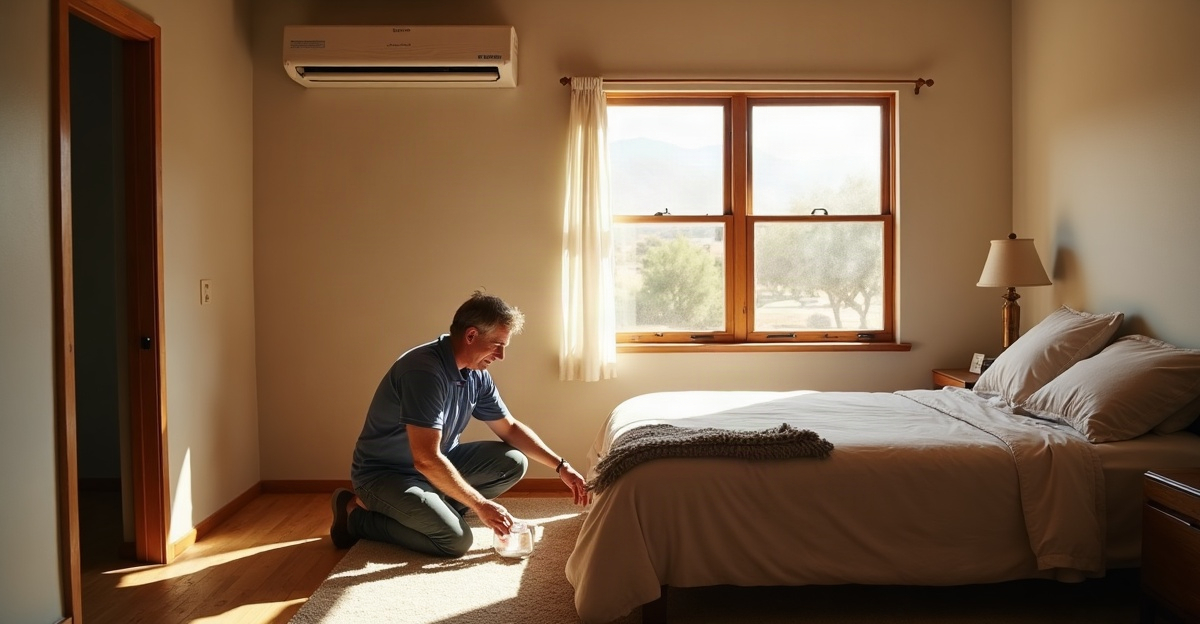
- Improved comfort and more even indoor temperatures
- Better energy efficiency
- Reduced HVAC strain
- Some degree of noise reduction from outside
Arizona homes face specific pressures. Attic temperatures soar. Ductwork often runs through unconditioned spaces. Many homes rely heavily on air conditioning for much of the year. Upgrading insulation helps reduce heat transfer into living areas and improves overall system performance.
There are limits. If severe moisture damage or contamination exists, insulation removal may be required before upgrading. Structural issues or poor ventilation must also be addressed first. Insulation works best as part of a complete building-performance strategy.
Is retrofit insulation worth it in Arizona?
In many cases, yes. For homes with low attic R-values or significant air leakage, retrofit upgrades can meaningfully improve comfort and system efficiency. The return depends on existing conditions, utility rates, and how long the property will be occupied.
The most reliable next step is a professional evaluation. We assess current insulation levels, inspect for moisture or damage, and determine whether retrofit or full replacement makes sense. Our approach stays focused on long-term performance and practical results. Homeowners can learn more about our process or request an evaluation through our contact page.