How Retrofit Insulation Helps Lower Energy Bills?
Retrofit insulation energy savings help Arizona homeowners lower cooling costs by reducing heat transfer through attics, walls, and air leaks that force HVAC systems to run longer in extreme temperatures. We improve R-values, seal gaps, and reinforce the building envelope to cut AC runtime, stabilize indoor temperatures, and reduce overall heating and cooling energy use.
Key Takeaways
- Arizona’s long, high-heat seasons increase AC demand when insulation levels stay low or air leaks develop.
- Higher attic and wall R-values slow heat transfer and keep indoor spaces cooler with less strain on equipment.
- Air sealing around penetrations, ducts, and attic access points limits conditioned air loss and blocks hot outdoor air.
- Paired insulation and air sealing upgrades often reduce heating and cooling energy use by 10–20%, depending on the home’s condition and existing materials.
- Professional evaluations and correct installation protect long-term performance, improve daily comfort, and keep energy costs predictable.
Why Energy Bills Stay High in Arizona Homes
Arizona homes face long, cooling-dominated seasons that drive heavy AC use for much of the year. Summers are intense and extended. Outdoor temperatures routinely climb above 100°F, and attic temperatures often exceed 130–150°F during peak heat. That extreme attic heat radiates downward and pushes into living spaces through the ceiling and roof assembly.
Heat gain through roofs, walls, and ductwork forces HVAC systems to run longer cycles. Air conditioners work harder to offset the steady flow of heat entering the home. In older Arizona homes, gaps in insulation and air leaks make the problem worse. Cooled indoor air escapes. Hot exterior air moves in. The system runs longer, and cooling costs rise.
These conditions show up in clear ways:
- High summer cooling costs
- Rooms that stay hot even with the AC running
- Uneven temperatures from one area to another
- HVAC systems that seem to run constantly
All of these point to weaknesses in the building envelope. When insulation is thin, settled, or poorly installed, and air sealing is incomplete, the home can’t effectively block heat transfer. That’s where retrofit insulation energy savings come into focus. Instead of pushing the HVAC system harder, we improve the structure itself to reduce energy costs with insulation upgrades that address the root cause.
How Retrofit Insulation Improves Energy Efficiency in Existing Homes
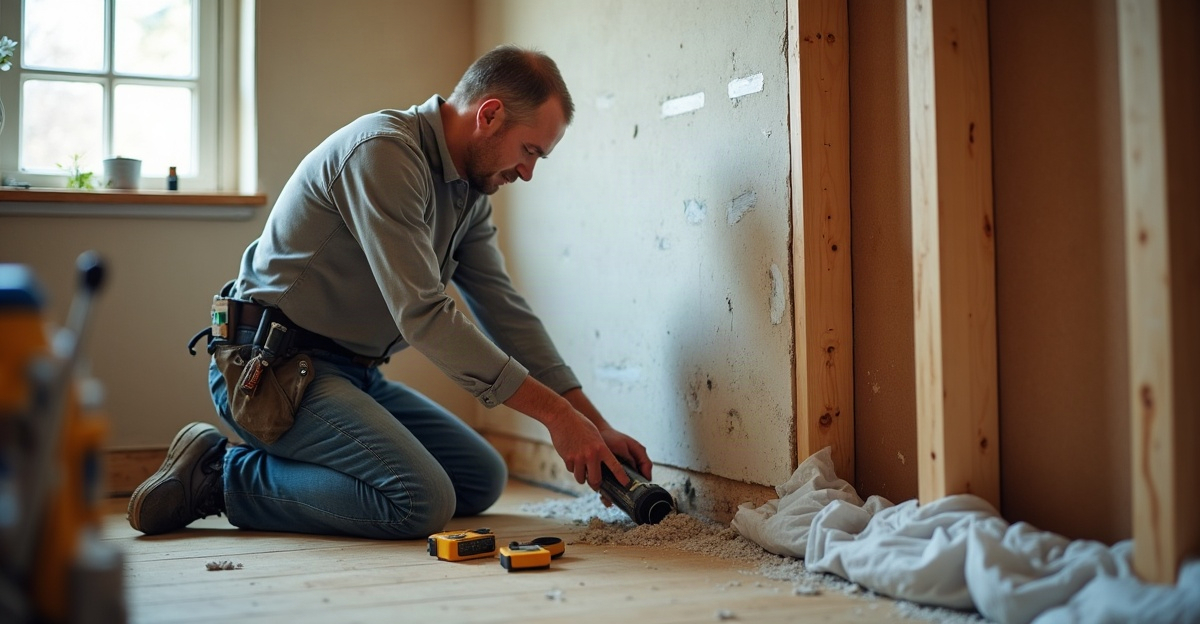
Retrofit insulation is insulation added to or upgraded in an existing home to improve thermal performance and air sealing, unlike insulation installed during new construction. It focuses on enhancing what’s already in place by increasing R-values, sealing air leakage, and strengthening the overall building envelope.
Common retrofit areas include attics, exterior walls, crawl spaces, and rim joists. In many Arizona homes, the attic is the primary heat entry point. Walls may have minimal or settled insulation, especially in properties built under older energy codes. Crawl spaces and penetrations often allow unwanted air movement.
The core principles are straightforward. We reduce heat transfer by increasing insulation levels. That slows the movement of heat from hot outdoor areas into cooled indoor spaces. We also control air leakage. When we seal gaps, cracks, and openings, we limit the escape of conditioned air and block hot air infiltration.
Together, these home efficiency upgrades create a stronger building envelope. The result is measurable retrofit insulation energy savings without replacing major mechanical equipment.
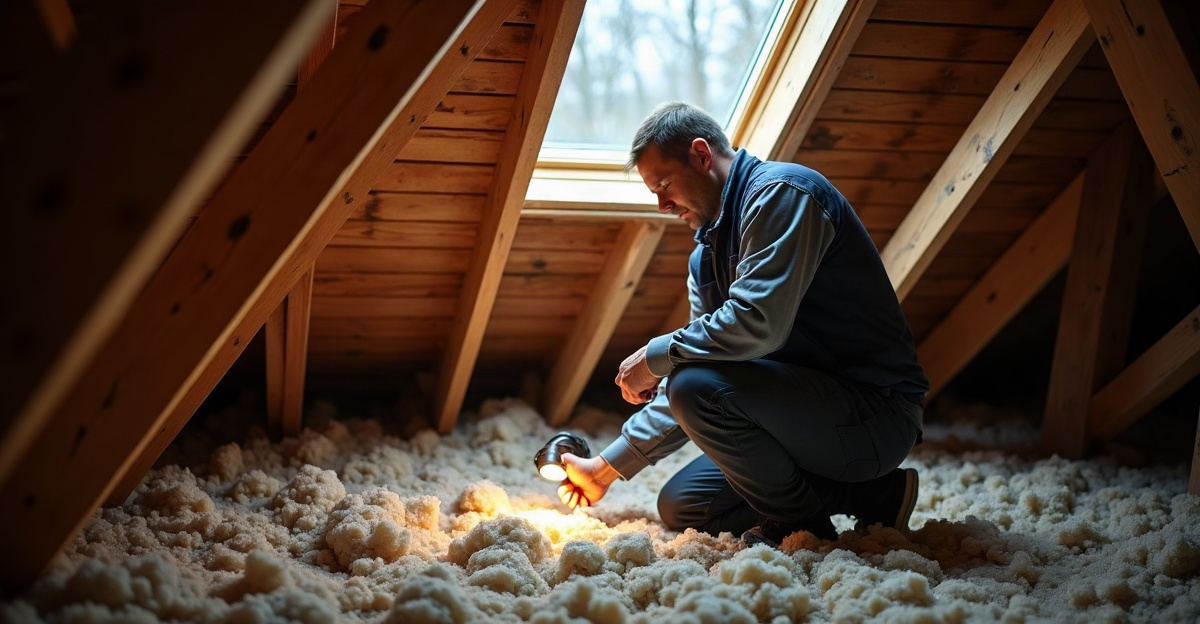
Proper inspection comes first. We evaluate existing R-values, look for air leakage paths, and assess how insulation interacts with the home’s structure and HVAC system. In Arizona’s climate, the right approach is climate-specific. A professional evaluation ensures the right materials and installation methods are used for durable performance.
How Retrofit Insulation Energy Savings Actually Work
Retrofit insulation energy savings are driven by physics. Heat naturally moves from hot areas to cooler ones. In Arizona summers, that means heat moves from superheated attics and exterior walls into air-conditioned living spaces.
Higher R-values in attics and walls slow conductive heat flow. When attic insulation is upgraded to recommended levels for this region, less heat transfers downward. Indoor spaces stay cooler with less mechanical effort. In a cooling-dominated climate, that reduction in heat gain directly lowers cooling costs.
Air sealing plays an equally important role. Small gaps around recessed lights, plumbing vents, attic hatches, and top plates allow conditioned air to escape. They also allow hot attic air to enter. By sealing these penetrations, we control uncontrolled airflow. That reduces air leakage and strengthens the building envelope.
With less heat entering and less cold air escaping, the AC runs fewer cycles and operates for shorter durations. Lower runtime reduces strain on motors, compressors, and other components. Over time, that can help extend equipment lifespan and lower maintenance pressure.
Temperature stability also improves. Rooms feel more consistent from one end of the house to the other. Hot and cold spots decrease, and interior comfort becomes more predictable.
Energy authorities commonly reference that insulation and air sealing upgrades can reduce heating and cooling energy use by around 10–20%, depending on the home’s condition and climate. Actual results vary. Savings depend on starting insulation levels, home size, duct condition, thermostat settings, and installation quality. The goal is steady, measurable improvement, not unrealistic promises.
The Upgrades That Deliver the Biggest Return on Investment
Some improvements consistently deliver stronger returns in Arizona homes. We prioritize upgrades based on impact and cost-effectiveness.
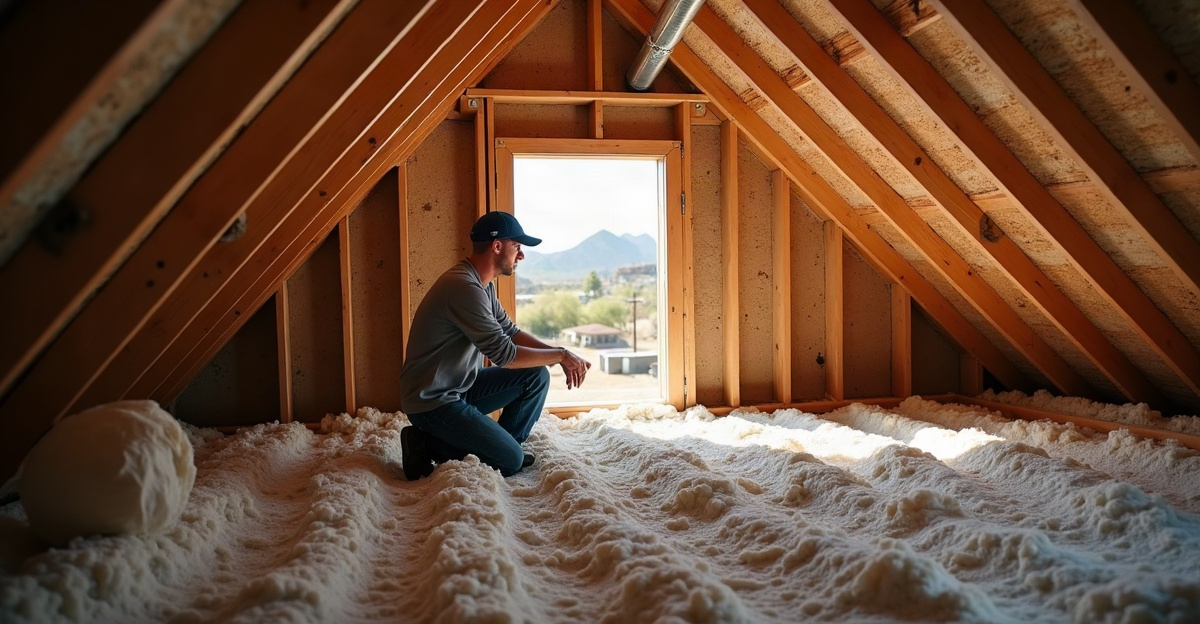
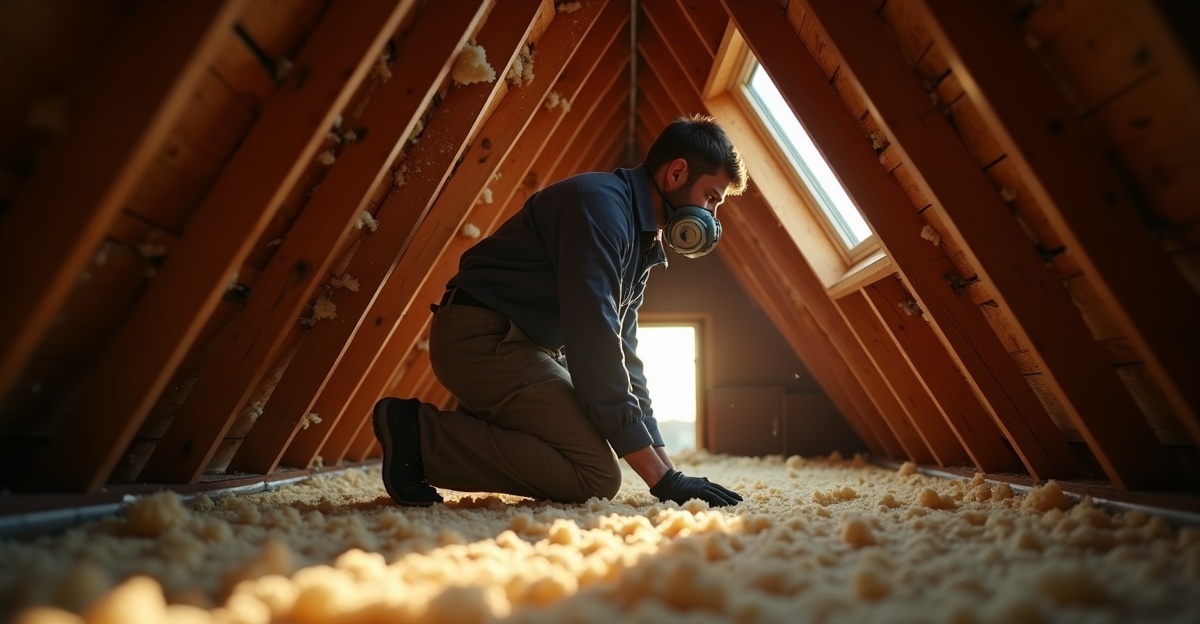
Attic insulation upgrades typically provide the highest payoff. The attic faces extreme heat loads. Increasing insulation to recommended R-values for this region slows radiant and conductive heat transfer into living areas. For many properties, attic upgrades are the first step in a practical Arizona insulation upgrade plan. We often use blow-in insulation solutions to achieve even coverage in existing attics.
Air sealing gaps and penetrations offers another high-return improvement. Sealing around recessed lights, attic hatches, plumbing penetrations, and top plates is often relatively low in cost yet delivers measurable gains. Combined with insulation upgrades, it strengthens reduce energy costs insulation strategies.
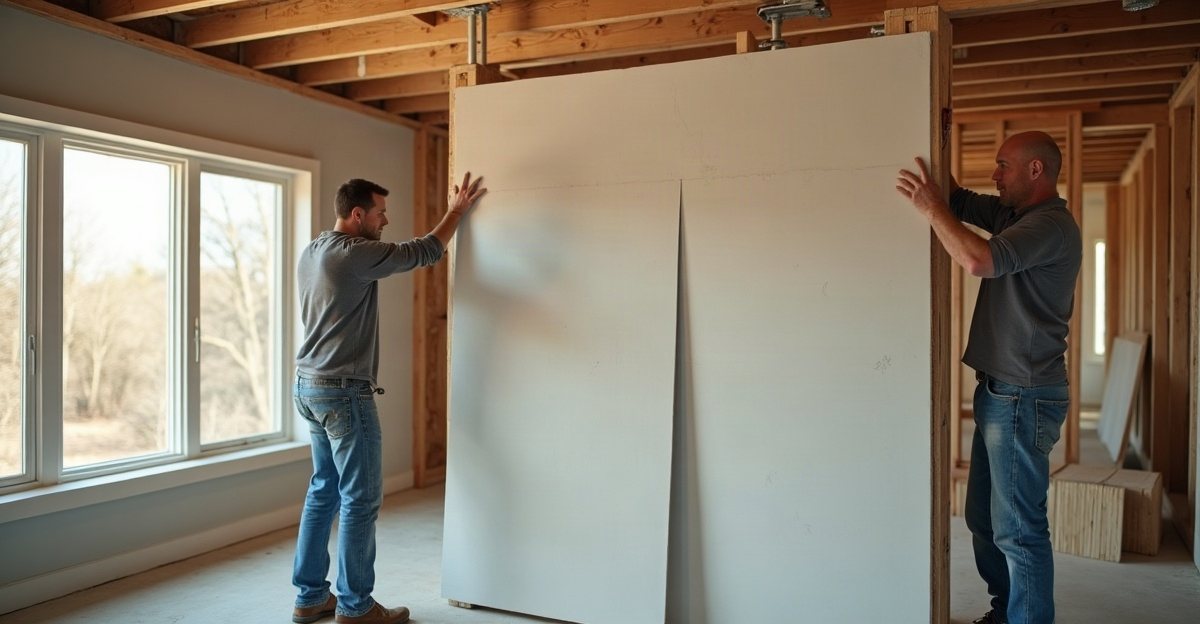
Wall insulation improvements can be impactful in older homes with minimal or settled material. Targeted retrofits help reduce solar heat gain through exterior walls. Depending on the structure, we may recommend wall spray insulation or other appropriate methods to increase thermal resistance without major demolition.
Ductwork also matters. Leaky ducts in hot attics increase cooling losses. Conditioned air escapes before it reaches living spaces, and hot attic air may be pulled into the system. Sealing and insulating ducts supports overall system efficiency. In some cases, broader retrofit insulation services address both envelope and duct concerns as part of a coordinated plan.
Each upgrade is selected based on inspection findings. We focus on performance and long-term value rather than pushing products that don’t fit the home.
What Homeowners Can Realistically Expect in Savings and Long-Term Performance
Most homeowners can expect potential reductions in heating and cooling energy use in the range of 10–20%, depending on starting conditions. Homes with little insulation, aging materials, or documented air leakage often see greater impact. Newer homes with moderate insulation levels may experience more incremental gains.
Results depend on several factors:
- Existing insulation levels and R-values
- Quality of installation
- HVAC system condition and duct leakage
- Home size and daily energy habits
Installation quality is critical. Poorly installed insulation can leave gaps and compressed areas that reduce effectiveness. Professional assessment and proper application help ensure the building envelope performs as intended.
Indirect financial benefits also matter. Lower HVAC runtime reduces wear on compressors and blower motors. Systems that work less aggressively may experience fewer breakdowns and service calls. That contributes to long-term cost control beyond direct energy savings.
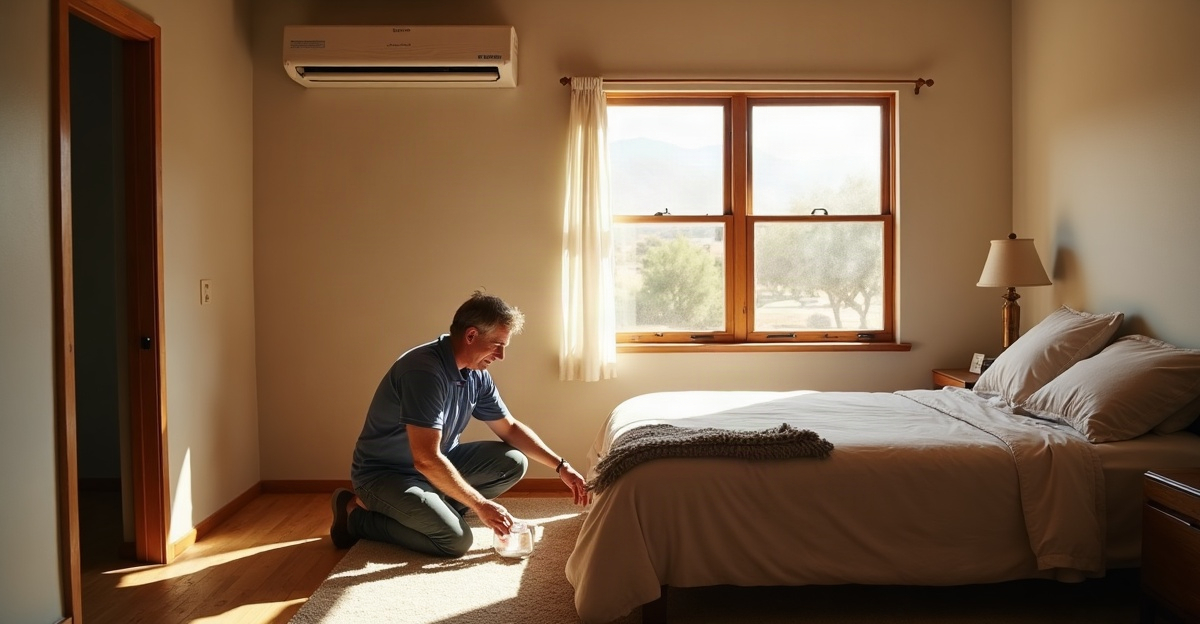
Comfort improvements often become the most noticeable change. Indoor temperatures stabilize. Equipment runs quieter and cycles less frequently. Air control improves, which can contribute to better indoor air consistency.
We avoid blanket statements about payback without context. Retrofit insulation investment delivers measurable, long-term performance improvements that support lower cooling costs and better comfort over time.
Smart Insulation Savings Tips and When a Retrofit Is Worth the Investment
A strategic approach maximizes insulation savings tips and long-term performance. For strong retrofit insulation energy savings, we recommend combining insulation upgrades with thorough air sealing. Addressing only one side often leaves performance on the table.
Budget constraints are common. If needed, stage the work:
- Start with the attic, where gains are typically strongest in Arizona homes.
- Address duct leakage as part of a comprehensive reduce energy costs insulation plan.
- Schedule a professional evaluation before committing so upgrades align with actual deficiencies rather than assumptions.
Clear signs insulation is underperforming include high cooling bills despite regular AC maintenance, rooms that never feel comfortable, and insulation that appears thin, uneven, or decades old. Older homes built under less stringent energy codes are prime candidates for improvement.
Retrofit insulation is worth the investment when inspections confirm insufficient R-values or significant air leakage within the building envelope. Improvements strengthen the structure itself rather than relying solely on mechanical systems to compensate.
As a local provider of residential insulation services, we focus on honest assessments and dependable workmanship. Arizona homeowners who want a practical, climate-specific Arizona insulation upgrade can schedule an inspection through our contact page. We evaluate conditions clearly, recommend what’s necessary, and prioritize long-term results that stand up to Arizona heat.