Batt Insulation vs Blow-In Insulation
Choosing between batt insulation vs blow in insulation requires a clear look at how each system performs in Arizona attics. Extreme heat, uneven coverage, and air leakage directly affect comfort and cooling costs. We focus on attic layout, installation quality, air sealing, and consistent R-value depth, since material type alone never guarantees results.
Key Takeaways
- Performance differences show up in coverage consistency, depth control, and how well insulation adapts to obstacles in high-heat attics.
- Fiberglass batts work best in new construction or open framing where precise fitting can be maintained.
- Blow-in insulation delivers more uniform coverage in retrofit projects and irregular attic layouts.
- Neither option serves as an air barrier, so we address air sealing before or alongside insulation upgrades.
- Installation quality, correct depth, and a thorough attic assessment determine long-term comfort and energy savings.
What Homeowners Need to Know First: Performance Differences That Impact Comfort and Cooling Costs
Batts and blown-in insulation are the two most common attic insulation types found in Arizona homes. In the batt insulation vs blow in insulation conversation, the real difference shows up in how each performs inside attics that often exceed 130°F in summer.
High attic temperatures drive heat downward. That heat leads to uneven indoor temperatures, hot bedrooms, and high cooling bills. In older homes, we often find thin or patchy insulation that leaves sections of the attic floor exposed.
A practical insulation comparison starts with performance under real conditions:
- Coverage consistency across the attic floor
- Ability to limit air movement (with proper air sealing)
- Achievable R-value and required depth
- Suitability for new construction or retrofit projects
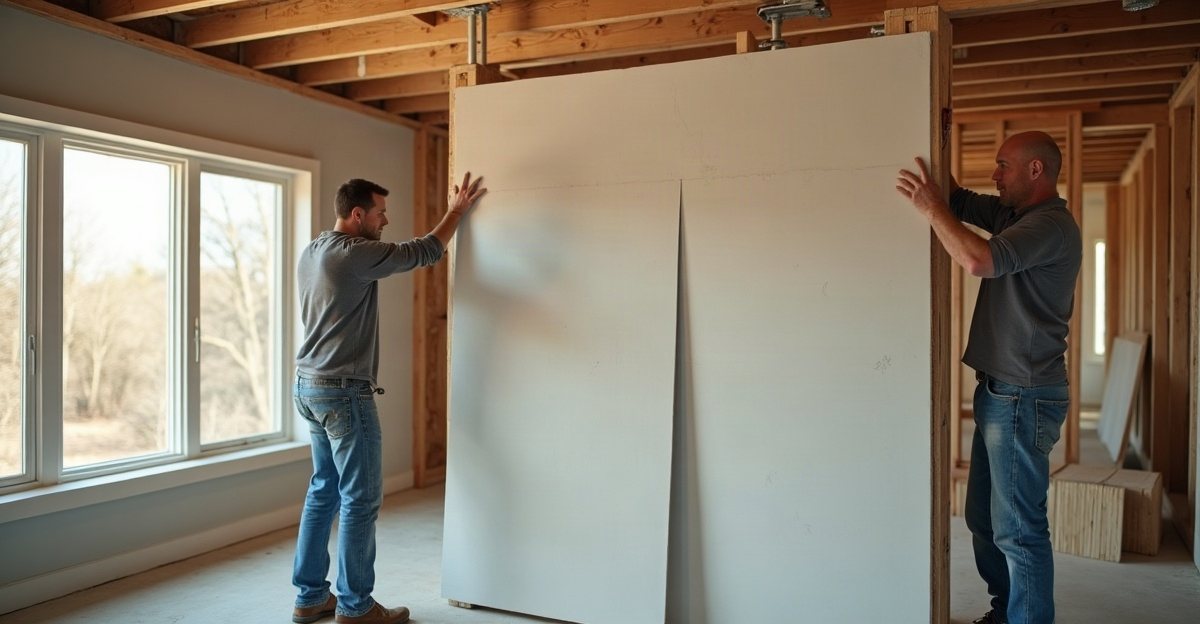
Fiberglass batt insulation comes in pre-cut rolls or panels. Installers place it between ceiling joists. Blow-in insulation uses loose material applied with specialized equipment to create a uniform blanket across the attic floor.
Neither option is inherently better in every case. Results depend on attic layout, installation quality, and performance goals. Poorly installed insulation, regardless of type, can underperform quickly in Arizona heat. Proper depth, even coverage, and attention to detail make the real difference.
How Each Insulation Type Is Installed and Why It Affects Results
Fiberglass Batt Insulation
Fiberglass batt insulation comes in standardized widths meant to fit between joists. Installers cut and fit each section manually. Accurate fitting matters. Gaps, compression, or misalignment reduce effective R-value.
Attics in Arizona often include obstacles such as:
- Ductwork running between joists
- Electrical wiring and junction boxes
- Recessed lights
- Framing irregularities
Each obstacle requires careful cutting and fitting. If batts bow upward, leave side gaps, or get compressed under decking, performance drops significantly. In open framing with clean runs, batts can work well. In crowded attic spaces, maintaining full coverage takes time and skill.
We install batt insulation primarily in situations where framing is consistent and access is straightforward.
Blow-In Insulation
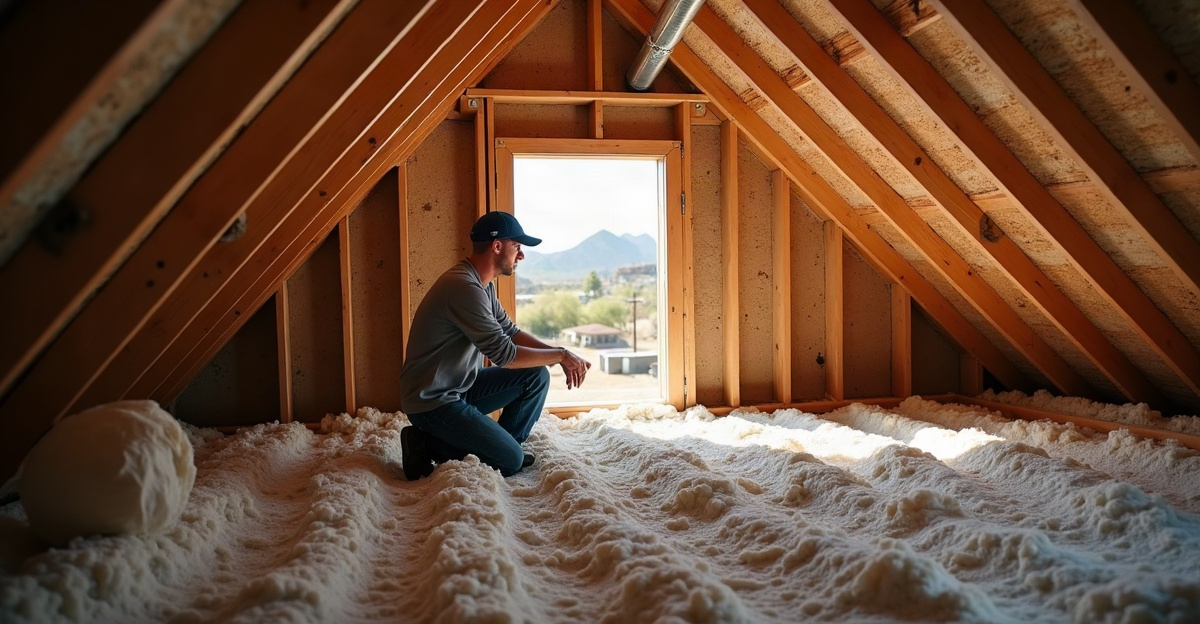
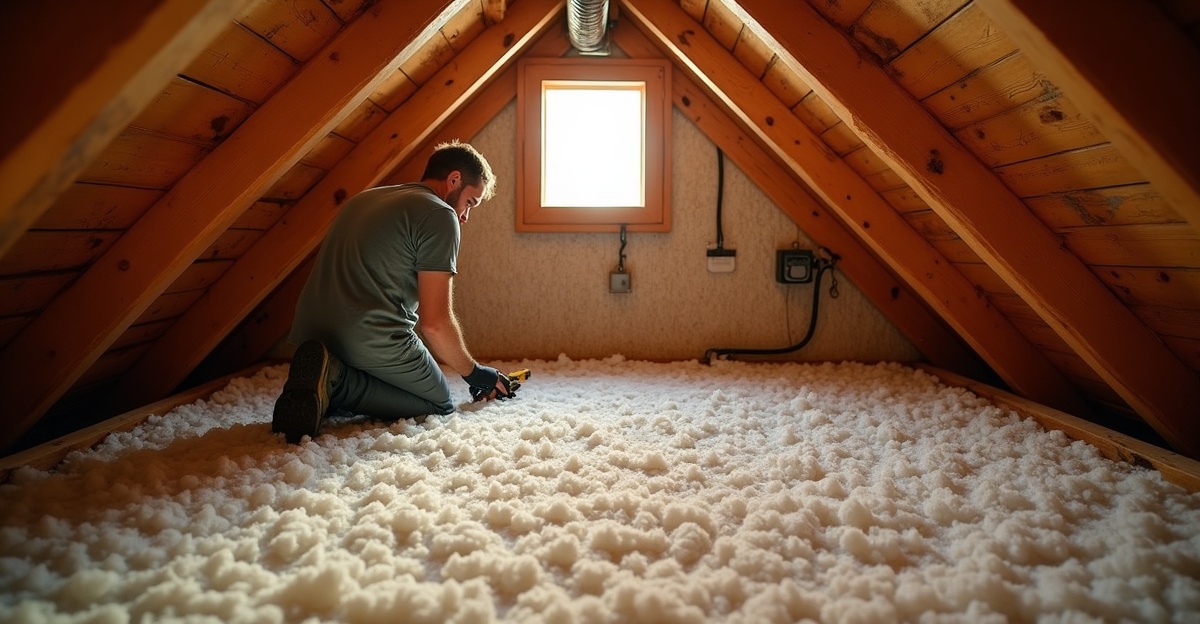
Blow-in insulation uses fiberglass or cellulose material applied with a machine. The material spreads evenly across the attic floor and flows around obstructions.
This approach allows insulation to:
- Conform around wiring and ductwork
- Fill irregular framing cavities
- Create consistent depth across wide attic areas
Blow-in is especially practical in older homes and retrofit situations. It works well as a top-off layer over existing insulation when conditions allow. We frequently use blow-in insulation in retrofit settings because it adapts to irregular layouts.
Installation quality still matters. Uneven depth or missed corners can reduce overall performance. Compression and voids hurt results with batts. Low density and inconsistent depth affect loose-fill. In both cases, trained crews and proper equipment determine how well the system performs over time.
Air Sealing, R-Value, and Real-World Efficiency in Arizona Heat
Neither fiberglass batt insulation nor blow-in insulation acts as a true air barrier. Insulation slows heat transfer. It does not stop air leakage.
In many Arizona attics, gaps around penetrations allow conditioned air to escape into the attic. Warm attic air can also infiltrate living space. Sealing these leaks often has a greater impact on comfort than adding insulation alone.
We often recommend air sealing before adding insulation. A hybrid approach—air sealing combined with blow-in insulation—usually creates a more consistent thermal boundary across the attic floor.
R-value matters, but depth consistency matters just as much. In cooling-dominant climates like Arizona, the primary goal is stopping heat gain from above. Thin spots reduce overall performance, even if other areas meet the target R-value.
Loose-fill insulation can settle slightly over time. That is why we install it at the correct initial depth to maintain target performance after minor settling. Fiberglass batts hold their shape, but they lose effectiveness if compressed or poorly fitted.
Insulation does not replace ventilation. Proper attic ventilation and air sealing work together with insulation. A balanced attic system keeps heat moving out of the attic and prevents it from transferring into living areas.
For homeowners comparing attic insulation types, the key takeaway is simple: consistent coverage, correct depth, and proper air sealing produce real energy savings in extreme heat.
Cost Factors and Long-Term Maintenance Considerations
Total project cost depends on several measurable factors:
- Attic square footage
- Removal of existing insulation
- Target R-value
- Accessibility of attic space
- Material choice: fiberglass batt insulation vs fiberglass or cellulose blow-in
- Labor complexity around obstacles
Batts can have a lower upfront material cost. Labor time can increase when cutting around obstacles or correcting irregular framing.
Blow-in may deliver more uniform coverage in retrofit projects. That consistency can improve overall performance, especially in older homes with uneven insulation levels.
Long-term durability in Arizona heat depends primarily on installation quality. Fiberglass does not typically degrade from temperature alone. Loose-fill may settle slightly but maintains performance when installed at the right depth.
Future electrical or HVAC upgrades can affect both systems. Service work may disturb insulation in localized areas. Batts are easier to lift and replace in sections. Blow-in may need re-leveling after major work.
We evaluate attic conditions carefully before recommending a solution. Every home is different. Our residential insulation services focus on long-term performance, not just installation-day results.
When Each Option Makes Sense for Your Property
Fiberglass batt insulation makes sense in:
- New construction with open framing
- Attics with clean, unobstructed joist bays
- Projects where framing cavities are standard and consistent
- Situations requiring easy future access to framing cavities
Blow-in insulation works well in:
- Existing homes
- Irregular or obstructed attic layouts
- Retrofit upgrades
- Topping off older, underperforming insulation
- Attics with ductwork and wiring that complicate batt installation
We frequently apply retrofit insulation strategies using blow-in material for older Arizona homes. Open framing in new builds often favors batts installed correctly from the start.
In some cases, removal of outdated or contaminated insulation makes sense before upgrading. Air sealing and ventilation review should also be part of the plan.
Every recommendation should tie back to clear goals:
- Improve comfort in hot bedrooms
- Lower cooling costs
- Create even temperature distribution
- Support long-term building performance
We advise a hands-on attic assessment before making a final decision.
Side-by-Side Comparison Table for Quick Reference
| Category | Fiberglass Batt Insulation | Blow-In Insulation (Fiberglass or Cellulose) |
|---|---|---|
| Installation Method | Pre-cut panels installed between joists | Loose material blown evenly across attic floor |
| Best Use Case | New construction, open framing | Retrofit, existing homes, irregular layouts |
| Coverage Consistency | Depends on precise cutting and fitting | High consistency when installed to proper depth |
| Air Sealing | Not an air barrier | Not an air barrier; pairs well with prior air sealing |
| R-Value Performance | Stable if not compressed | Depends on installed depth; minor settling possible |
| Cost Considerations | Lower material cost; labor varies | Often efficient for large retrofit spaces |
| Long-Term Maintenance | Easy to move for service work | May need re-leveling after major attic access |
| Arizona Climate Suitability | Effective with precise installation | Highly effective for consistent attic coverage |
Common homeowner questions deserve clear answers. Batts can be cheaper upfront, but total cost depends on labor and layout. New insulation can often be installed over old material if it is dry, clean, and structurally sound. Air sealing before adding insulation usually improves results and should be evaluated first.
Choosing between batt insulation vs blow in insulation requires looking at attic layout, current insulation condition, and performance goals. We provide attic evaluations to determine the most effective approach for each property. Homeowners can review our full range of insulation services or schedule an assessment through our contact page for straightforward recommendations based on actual attic conditions.