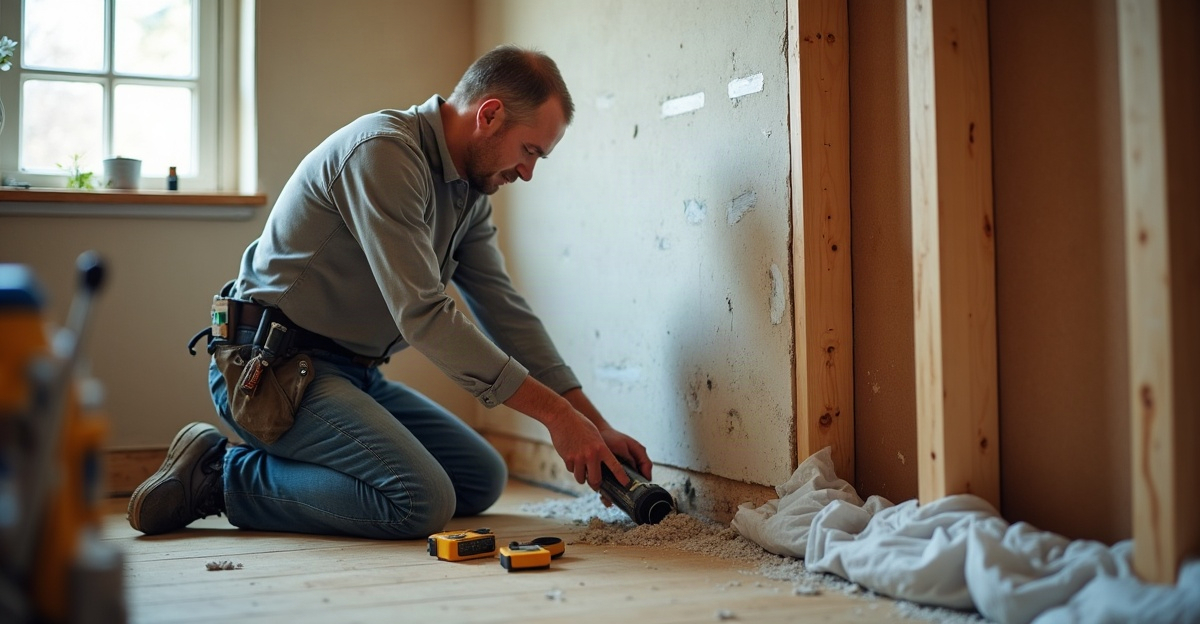
Common Problems With Old Batt Insulation
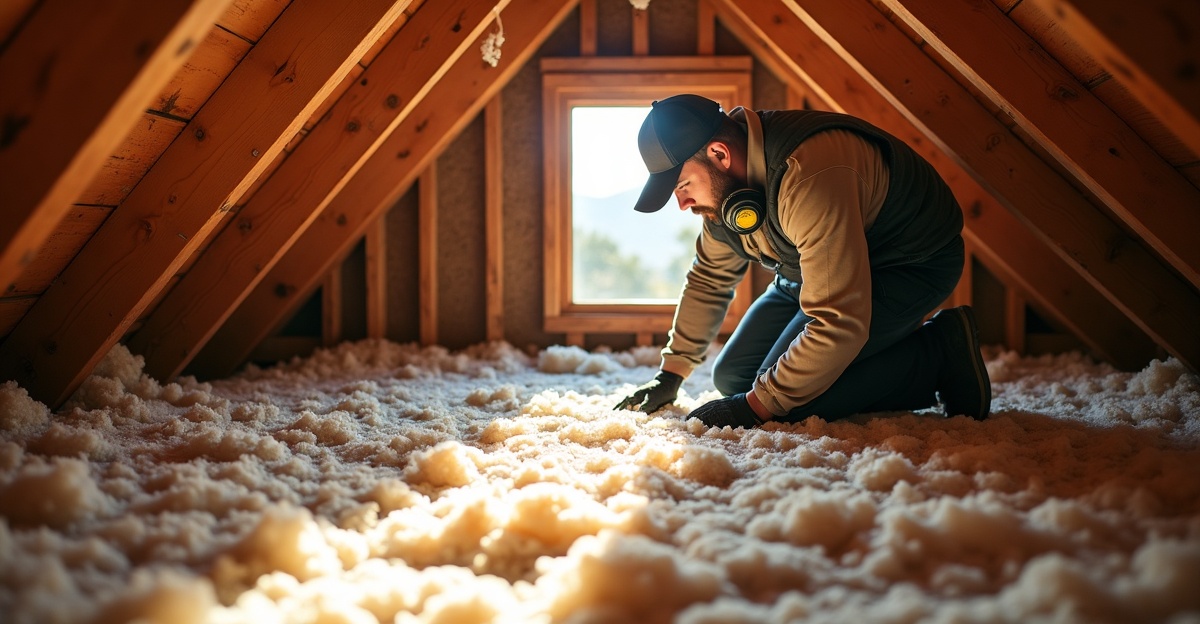
Old batt insulation problems develop gradually as heat exposure, dust buildup, moisture, and poor installation reduce R-value and create uneven coverage in attics and walls. We see these performance gaps drive higher energy bills, overheated ceilings, uneven indoor temperatures, and added HVAC strain—especially in high-heat climates like Arizona.
Key Takeaways
- Compression, settling, gaps, and sagging reduce thermal resistance and allow direct heat transfer into living spaces. We recommend routine attic checks to catch coverage issues early before performance drops further.
- Extreme attic temperatures, dust intrusion, and air leakage speed up insulation deterioration in desert climates. We encourage stronger air sealing to slow this breakdown and protect long-term efficiency.
- Moisture damage and pest contamination harm insulation performance and indoor air quality. We advise prompt replacement of affected sections to prevent secondary damage and health concerns.
- Rising energy bills, uneven room temperatures, and visible attic gaps signal early performance issues. We track these warning signs during inspections to determine whether minor corrections or larger upgrades make sense.
- Repair, topping up, or full replacement should align with insulation condition, contamination level, and long-term property plans. We assess current R-value, structural condition, and future energy goals before recommending the right path forward.
Signs Your Batt Insulation Is Failing and Affecting Comfort
Old attic insulation fails gradually. Homes often show subtle performance issues before anyone notices visible damage.
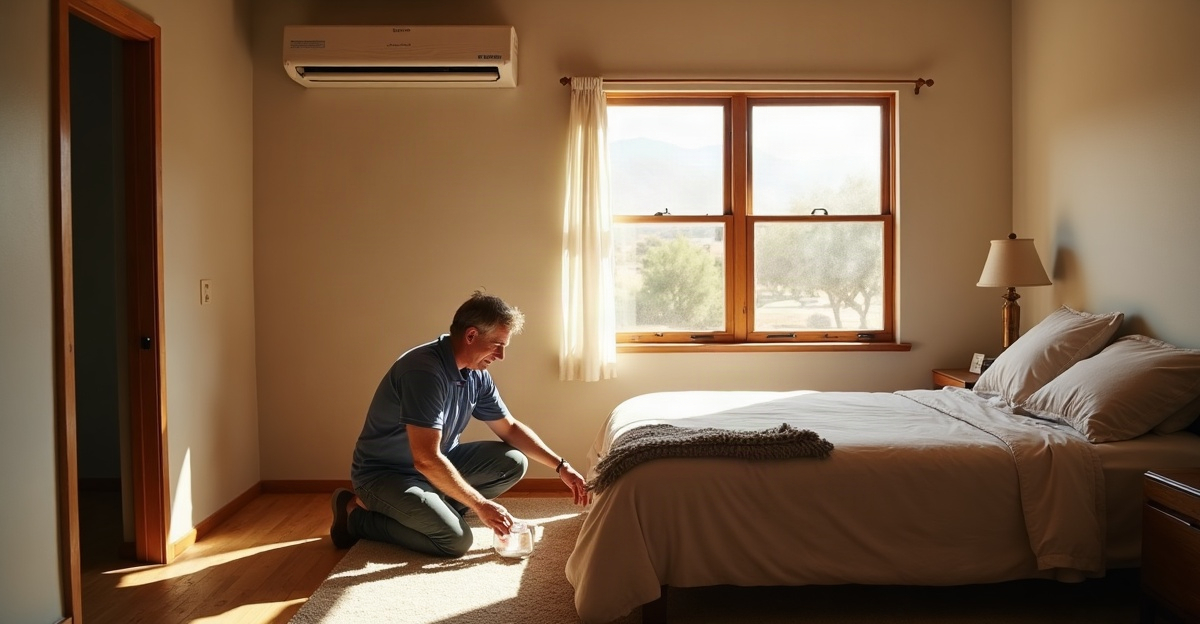
Rising energy bills are usually the first red flag. If heating and cooling costs increase without a clear reason, insulation performance is often part of the equation. Uneven indoor temperatures also point to trouble. Bedrooms feel warmer than living areas. Ceiling surfaces radiate heat. Some rooms feel drafty while others trap warmth.
In Arizona, attic conditions intensify these symptoms. Summer attic temperatures regularly exceed 140–160°F. That extreme heat stresses aging insulation and pushes heat into living spaces. When insulation breaks down under that load, HVAC systems work longer and harder to maintain comfort.
Common household symptoms tied to attic insulation issues include:
- Higher monthly energy bills
- Hot ceilings and excessive attic heat
- Uneven temperatures between rooms
- Drafty areas near walls or ceilings
- Increased indoor dust settling on surfaces
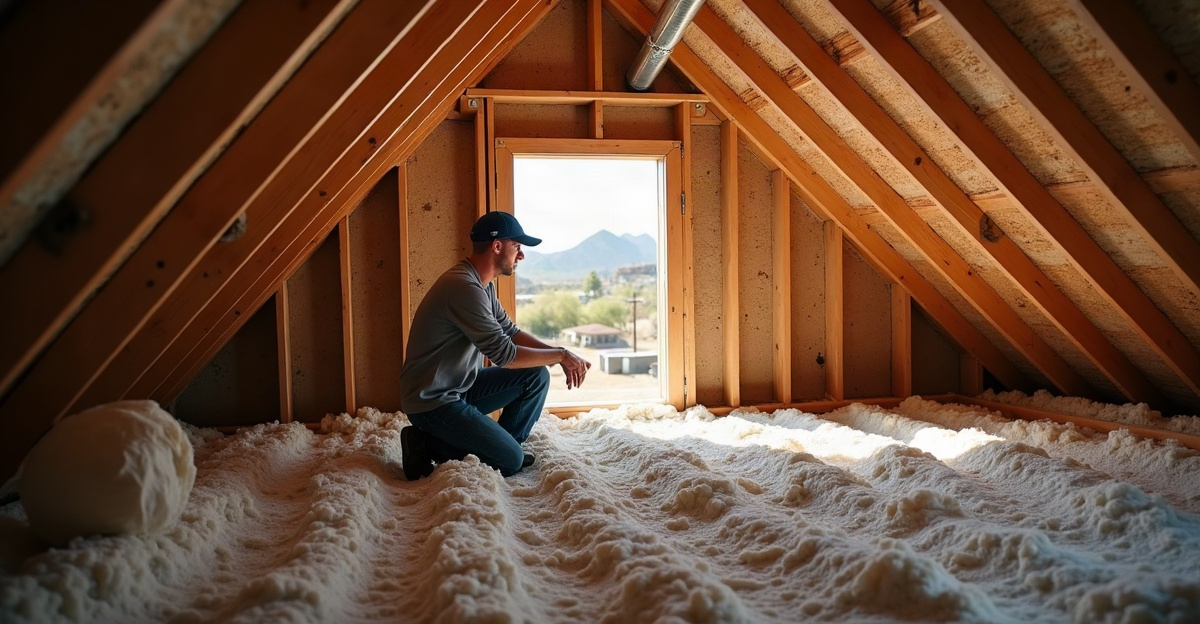
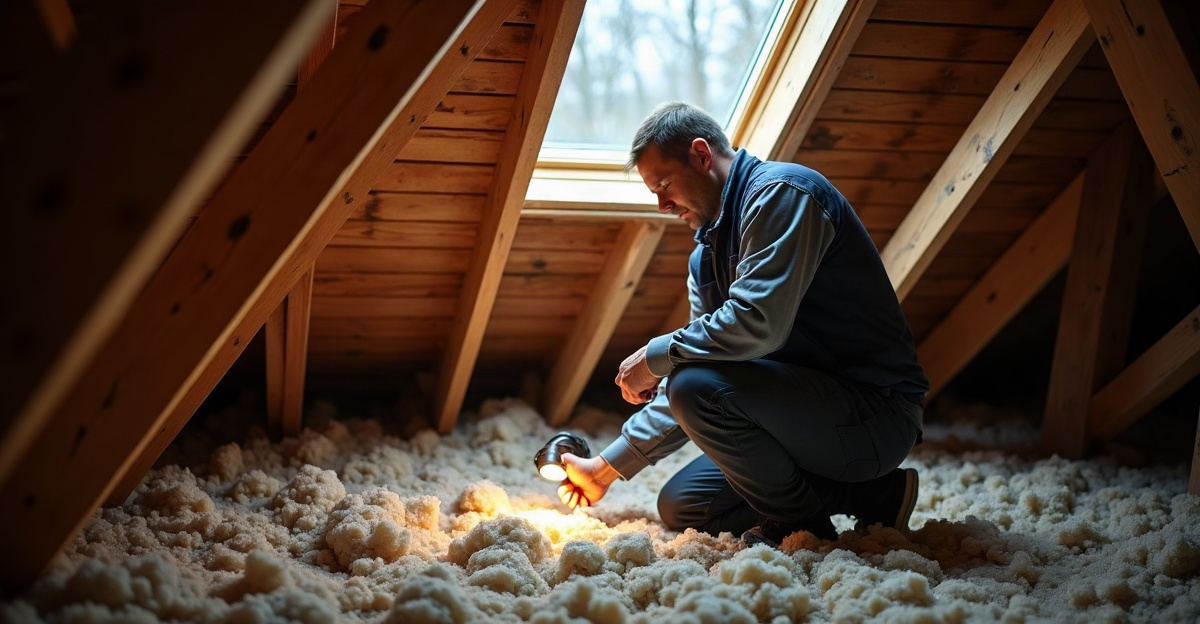
Many damaged insulation signs are visible during a safe attic check. We can look for gaps between batts, sagging sections, compressed areas, dark discoloration from dust buildup, torn vapor barriers, or insulation that has pulled away from framing. Each of these reduces insulation effectiveness.
Insulation performance is measured by R-value, which reflects thermal resistance. When batts compress or deteriorate, the R-value drops. Reduced R-value means more heat transfer through ceilings and walls. That increases HVAC workload and makes indoor temperatures fluctuate.
When insulation performs correctly, the results are practical and measurable. Homes maintain steadier temperatures. HVAC systems cycle more predictably. Living spaces feel consistently comfortable, even during peak summer heat.
The Most Common Old Batt Insulation Problems Found in Attics and Walls
Old batt insulation problems we frequently find
Old batt insulation problems develop over years of heat exposure, gravity, dust accumulation, and installation shortcuts. We see the same patterns repeatedly in attics and wall cavities.
Compression and settling are the most common. Over time, fiberglass batts lose thickness. Once flattened, the material traps less air. Less trapped air means lower R-value and reduced thermal resistance.
Gaps and voids are another frequent issue. If batts were cut too short during installation or shifted out of place, open spaces form between insulation and framing. Those voids allow air leakage and direct heat transfer.
Sagging in walls and ceilings occurs as gravity pulls unsupported batts downward. This creates thin spots at the top of wall cavities and uneven coverage across ceiling joists.
Moisture damage is more serious. Roof leaks, condensation, or past humidity exposure can dampen insulation. Wet fiberglass loses effectiveness and can promote mold growth on surrounding materials.
Pest disturbance is also common. Rodents and insects burrow through batts, displace material, and leave contaminated areas behind. That disruption creates inconsistent insulation coverage.
Dust accumulation is particularly relevant in desert climates. Wind-driven Arizona dust settles into attic insulation over time. Heavy dust saturation fills the tiny air pockets that give fiberglass its insulating ability, decreasing performance.
Improper original installation ties many of these issues together. Batts that were stuffed into tight cavities, cut inaccurately, or installed without air sealing never performed properly from the start. Years later, those early mistakes show up as steady comfort complaints and higher energy costs.
Arizona-Specific Attic Insulation Issues That Accelerate Deterioration
Arizona’s climate accelerates insulation aging. Extreme attic heat places continuous thermal stress on materials. With summer attic temperatures regularly exceeding 140–160°F, fiberglass can dry out, lose resilience, and become brittle over time.
Air leakage is widespread in many homes. Unsealed attic penetrations around ductwork, recessed lighting, wiring, and plumbing allow superheated attic air to enter living spaces. Insulation alone cannot compensate for open bypasses. When hot air moves freely, insulation effectiveness drops dramatically.
Desert dust intrusion further contributes to deterioration. Fine dust particles settle deep into exposed attic insulation. Over the years, that buildup reduces the insulation’s ability to trap insulating air pockets.
Rapid day-to-night temperature swings also matter. Materials expand and contract with those shifts. Batts that once fit snugly can loosen, sag, or shift slightly with repeated cycles.
For Arizona homeowners, landlords, renovators, and builders, these regional factors explain why insulation that appears acceptable at a glance may fail to deliver real performance. Visual inspection tells part of the story. Climate-driven degradation tells the rest.
When Repair, Topping Up, or Full Replacement Makes Sense
Full removal is not always necessary. We evaluate insulation condition first before recommending any action.
Repairs or topping up are appropriate when insulation remains mostly dry, properly positioned, and only slightly compressed. If depth falls below current recommendations but material condition is stable, adding new insulation over existing batts can restore performance efficiently. In many cases, blow-in insulation works well as a topping layer to improve coverage and close small gaps.
A full replacement becomes the better choice when conditions are severe. Removal is typically warranted when we see:
- Significant moisture damage
- Persistent pest contamination
- Visible mold concerns
- Heavy dust saturation
- Widespread compression and large gaps
These conditions compromise both performance and indoor air quality.
Long-term plans also matter. If we’re planning to stay in the property for many years or preparing for renovation, upgrading during that window often delivers better results than postponing corrective work. A clear insulation replacement guide should weigh current performance, energy efficiency goals, and future property plans.
We focus on practical outcomes. The goal is steady temperatures, manageable HVAC demand, and dependable comfort—not overspending on unnecessary work.
What the Insulation Replacement Process Typically Involves
Every project begins with inspection. We assess current R-value levels, check for moisture problems, identify air leakage points, and evaluate overall insulation condition. This step determines whether repair, topping up, or removal is the best option.
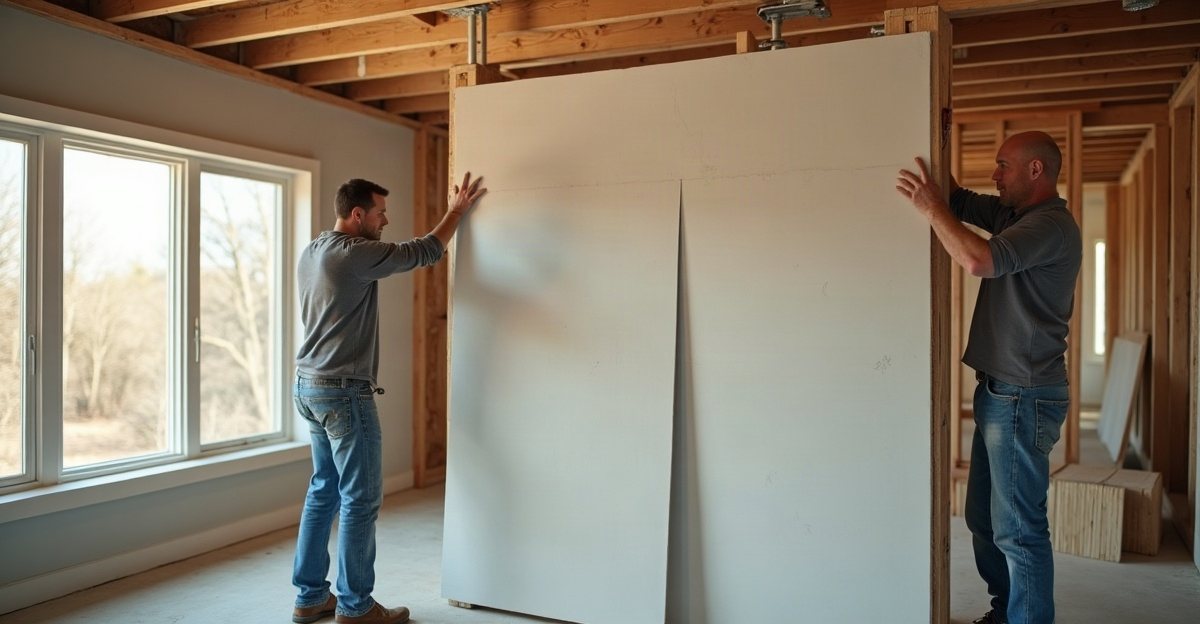
If removal is required, damaged material is carefully extracted. Contaminated or deteriorated insulation must be cleared to prepare a clean base for new installation.
Air sealing follows. We seal attic penetrations, gaps, and bypasses before installing insulation. Without air sealing, even high R-value insulation will underperform. Addressing airflow first maximizes thermal performance.
Installation comes next. Batts must fit properly without compression or gaps. Consistent depth and full coverage are essential for maintaining intended R-value. For homeowners considering alternatives, spray foam insulation may offer improved air sealing and thermal resistance in specific applications, particularly where space is limited or air leakage is significant.
Finally, we complete cleanup and conduct a final review. We confirm insulation depth, uniform coverage, and proper attic ventilation to ensure long-term performance.
Homeowners planning broader upgrades can review options through our residential insulation services to evaluate materials and strategies that align with their property goals.
Common Questions About Aging Batt Insulation
How long does batt insulation last?
Fiberglass batt insulation can last 15–30 years or longer under stable conditions. Lifespan depends on installation quality, attic heat exposure, moisture levels, and pest activity. In Arizona, extreme attic temperatures and dust infiltration often shorten effective performance life. Many old batt insulation problems appear well before the material fully deteriorates.
Can old insulation make our house hotter?
Yes. Reduced R-value from compression, dust saturation, and shifting allows more heat to transfer into living spaces. Air leakage compounds the issue. In summer, superheated attic air enters through ceiling penetrations, increasing indoor heat gain. Those attic insulation issues directly contribute to higher indoor temperatures and longer HVAC cycles.
Should we remove old insulation before adding new?
Removal is necessary when damaged insulation signs include moisture contamination, pest waste, mold concerns, or widespread compression. If insulation is dry and reasonably intact but below recommended depth, adding new material on top is often acceptable. A careful inspection determines the right approach and fits within a clear insulation replacement guide.
What can we check safely ourselves?
We can visually inspect for gaps, sagging, compressed batts, dark dust staining, and torn vapor barriers. We should avoid disturbing insulation unnecessarily, especially if contamination is suspected. If widespread attic insulation issues appear, scheduling a professional assessment provides clarity. From there, we can determine whether repair, topping up, or full replacement delivers the best long-term comfort and performance.