Why Commercial Buildings Need Better Insulation?
Commercial buildings demand high-performance insulation because gaps and air leaks drive cooling costs up, create uneven temperatures, and strain HVAC systems. Arizona’s heat-heavy climate keeps roof and wall heat gain constant for much of the year. We see how proper insulation cuts cooling loads, stabilizes indoor comfort, protects equipment life, and keeps operating costs predictable over the building’s lifespan.
Key Takeaways
- High utility bills, hot and cold spots, drafts, and frequent HVAC service calls often signal insulation and air sealing deficiencies.
- Effective insulation acts as both a thermal barrier and an air control layer, limiting heat transfer, air leakage, and moisture issues inside the building envelope.
- Core commercial insulation benefits include lower cooling loads, reduced HVAC runtime, improved indoor comfort, and stronger long-term building durability.
- Material selection—such as spray foam, fiberglass batts, or blown-in systems—must match building design, moisture exposure, and performance targets.
- Coordinated planning for retrofits or new construction supports code compliance, reduces disruption, and delivers long-term performance without oversizing mechanical equipment.
High Cooling Costs and Office Discomfort Often Point to Insulation Gaps
Arizona’s climate puts commercial buildings under constant cooling demand for much of the year. Extended summer heat, intense sun exposure, and roof heat gain drive air conditioning systems hard and often without relief. High cooling costs in these conditions are rarely just an HVAC issue. They often point to insulation gaps within the building envelope.
We see clear warning signs in office buildings and light commercial properties:
- Rising utility bills year over year
- Uneven indoor temperatures and hot or cold spots
- Drafts near exterior walls or ceiling lines
- Excessive HVAC strain and frequent service calls
- Ongoing tenant or employee comfort complaints
Ductwork running through unconditioned attics loses efficiency quickly when surrounding air temperatures climb. Poorly insulated roof decks and exterior walls allow heat to flow into the space, increasing cooling loads and forcing systems to run longer cycles. Over time, that added runtime translates to higher operating costs and shortened equipment life.
Many properties treat insulation as a secondary upgrade. In reality, insulation sits at the center of commercial energy efficiency. It directly affects how much cooling capacity a building needs and how stable interior temperatures remain throughout the day.
Insulation is not optional in Arizona. It is a core performance layer that supports comfort, equipment longevity, and predictable operating costs.
What Insulation Actually Does in a Commercial Building: Thermal Barrier + Air Control
Insulation works by slowing heat transfer. It acts as a thermal barrier inside the building envelope, limiting how quickly exterior heat moves into conditioned spaces. In commercial buildings, that barrier must handle roof heat, wall exposure, and temperature differences across large interior volumes.
R-value measures resistance to heat flow. A higher R-value means greater resistance. Still, numbers alone don’t guarantee results. Proper installation, full coverage, and air sealing determine how well insulation performs in real-world conditions.
Air movement matters just as much as heat flow. Gaps, cracks, and penetrations allow uncontrolled air exchange. That infiltration undermines R-value performance and creates temperature swings. Adding insulation without addressing leakage often leaves performance on the table. Coordinated air sealing services play a major role in stabilizing commercial energy efficiency.
Thermal bridging presents another concern. Metal framing, steel supports, and structural members can conduct heat directly through insulated assemblies. Even with good cavity insulation, these bridging points allow heat to bypass the thermal layer. Smart insulation design reduces bridging through continuous insulation strategies and material selection.
Moisture control ties directly into insulation quality. When warm air contacts cooler interior surfaces, condensation can form inside wall or roof assemblies. Proper insulation levels and air control reduce this risk, protecting framing, ceiling systems, and indoor air quality. Effective moisture control supports long-term durability and cleaner indoor conditions.
Insulation alone will not fix poor HVAC design or failing equipment. However, it creates stable conditions that allow systems to operate efficiently. A well-performing building envelope supports consistent airflow, predictable cooling loads, and balanced interior comfort.
Core Commercial Insulation Benefits for Arizona Office Buildings
In a heat-dominant climate, insulation’s primary job is to reduce heat gain. Roofs, ceilings, and exterior walls absorb significant solar energy. With better insulation levels, we create lower cooling loads and reduce how much heat reaches occupied areas.
Improved commercial energy efficiency follows naturally. HVAC equipment runs fewer hours or shorter cycles under stabilized conditions. Over time, this reduction in runtime translates into reduced HVAC wear, fewer breakdowns, and more consistent system performance. Equipment that doesn’t operate at maximum capacity all day tends to last longer.
Indoor comfort also improves. Even temperatures support employee productivity and tenant satisfaction. Offices with balanced cooling experience fewer complaints about extreme zones, whether near windows, conference rooms, or perimeter walls.
Moisture and condensation control further strengthen long-term building durability. Reduced temperature swings inside wall and roof assemblies limit the conditions that lead to hidden moisture buildup.
For new construction and major renovations, upgraded insulation can contribute to code compliance and performance standards. Properly specified assemblies help projects meet required R-values and envelope criteria without overloading mechanical systems.
We keep expectations realistic. Energy savings vary by building design, existing insulation levels, roof condition, and HVAC layout. Payback timelines differ from property to property. Still, the long-term commercial insulation benefits remain consistent: stabilized operating costs, improved indoor comfort, and stronger building performance across the life of the asset.
Comparing Office Insulation Solutions for Different Property Needs
Every commercial property has unique structural conditions, access constraints, and budget considerations. Effective office insulation solutions reflect those realities rather than applying a one-size approach.
Spray Foam for Air Sealing and High Performance
Spray foam insulation provides insulation and air sealing in a single application. It expands on contact, filling gaps and irregular cavities in roof decks, wall assemblies, and ceiling areas. With a high R-value per inch, it works well where space is limited or where air leakage drives inefficiency.
Our spray foam insulation services support projects that require strong thermal control and improved air barriers. For exterior walls in commercial spaces, targeted wall spray insulation can help reduce drafts and thermal bridging through framing cavities.
Property managers often ask how the material performs over time. We’ve addressed longevity in detail in how long spray foam insulation lasts, outlining what affects service life and durability.
Fiberglass Batts and Blown-In Systems
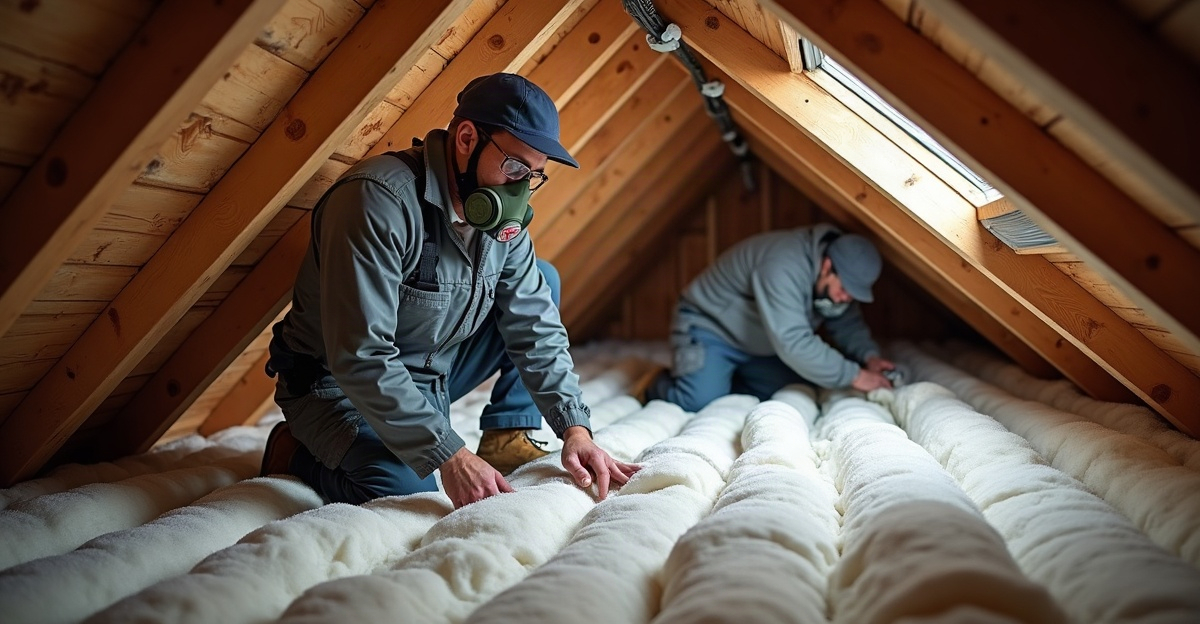
Fiberglass batts remain common in office settings due to cost and availability. When properly installed and protected from airflow, they provide reliable thermal resistance. We install systems through our batt insulation services with attention to consistent coverage and fit.
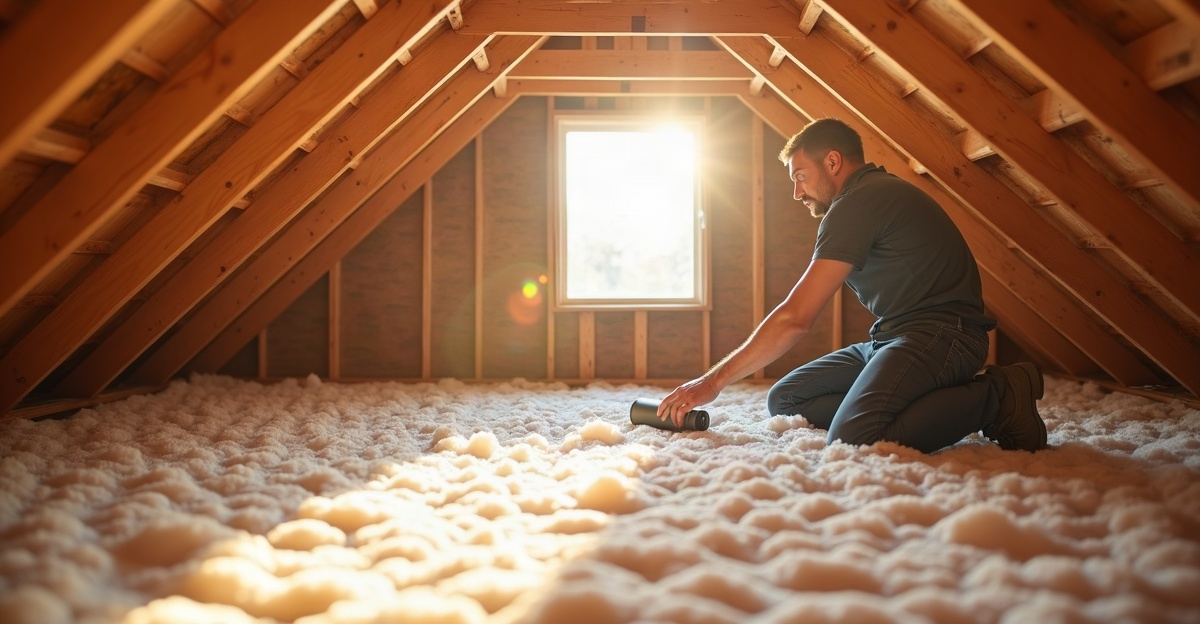
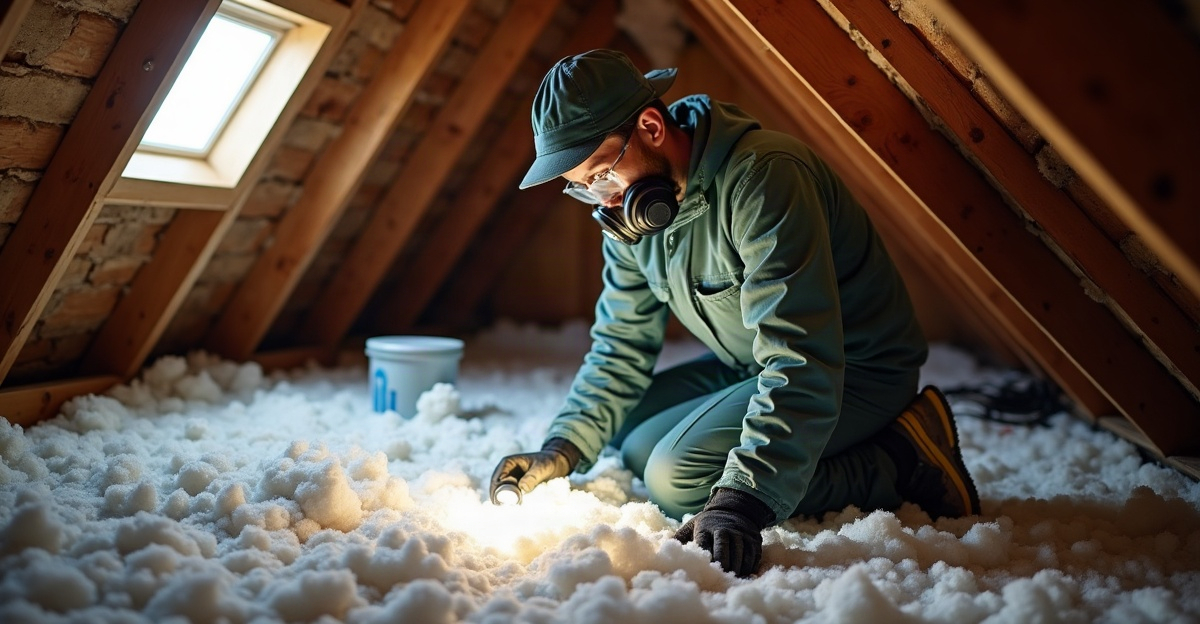
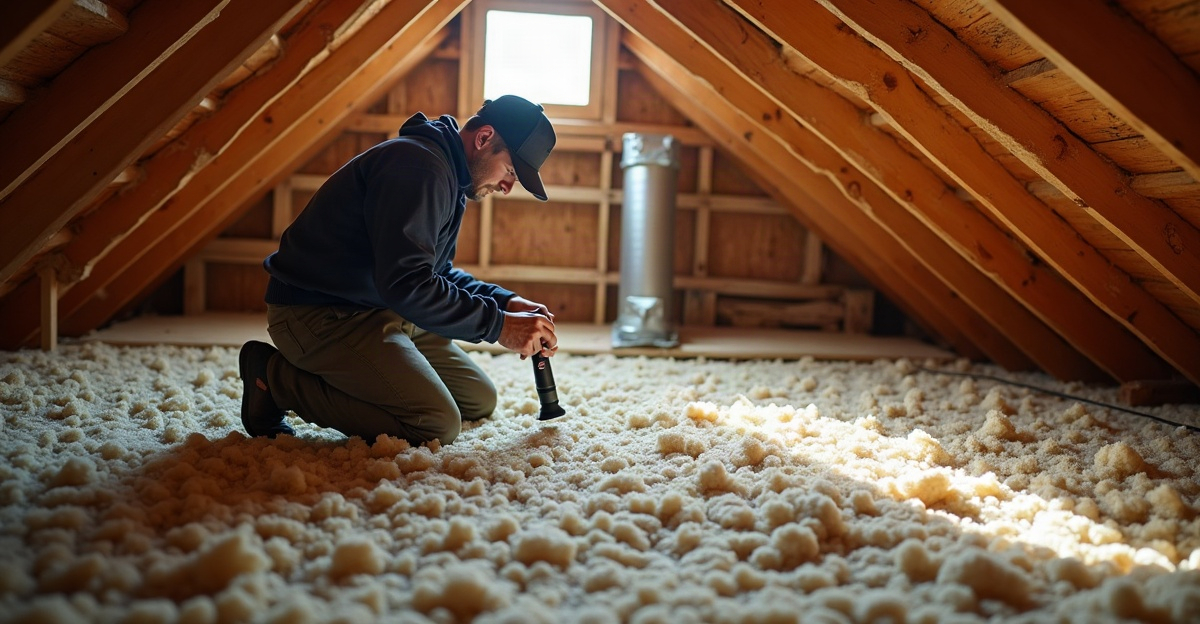
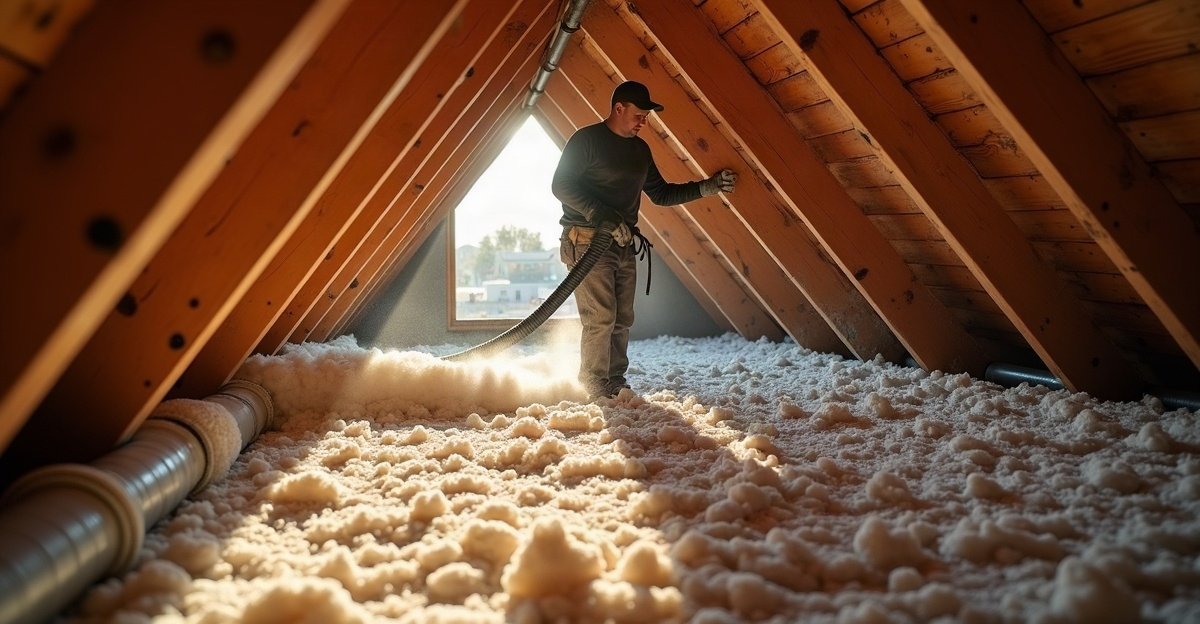
Blown-in insulation works well for large attic areas or retrofit conditions where minimal structural change is preferred. Our blown-in insulation solutions allow us to add insulation depth efficiently in open attic spaces.
Each system benefits from coordinated air sealing services. Without air control, even high R-value materials can underperform. Final selection depends on building design, moisture conditions, roof assemblies, access limitations, and long-term performance goals. Compatibility with existing HVAC systems remains part of our evaluation to avoid unintended performance issues.
Retrofit vs. New Construction: Cost, Disruption, and Practical Planning
Retrofit insulation projects demand careful scheduling. Commercial buildings operate daily, and disruptions must stay minimal. Phased upgrades often work best. We can address priority areas such as roof assemblies, attic spaces, or exterior walls before expanding to additional zones.
Coordinating insulation upgrades with roof replacements or HVAC improvements increases overall efficiency and reduces redundant labor. Our retrofit insulation services focus on targeted improvements that support broader building initiatives. For more context on cost impact, we’ve explored how retrofit projects influence expenses in how retrofit insulation helps lower energy bills.
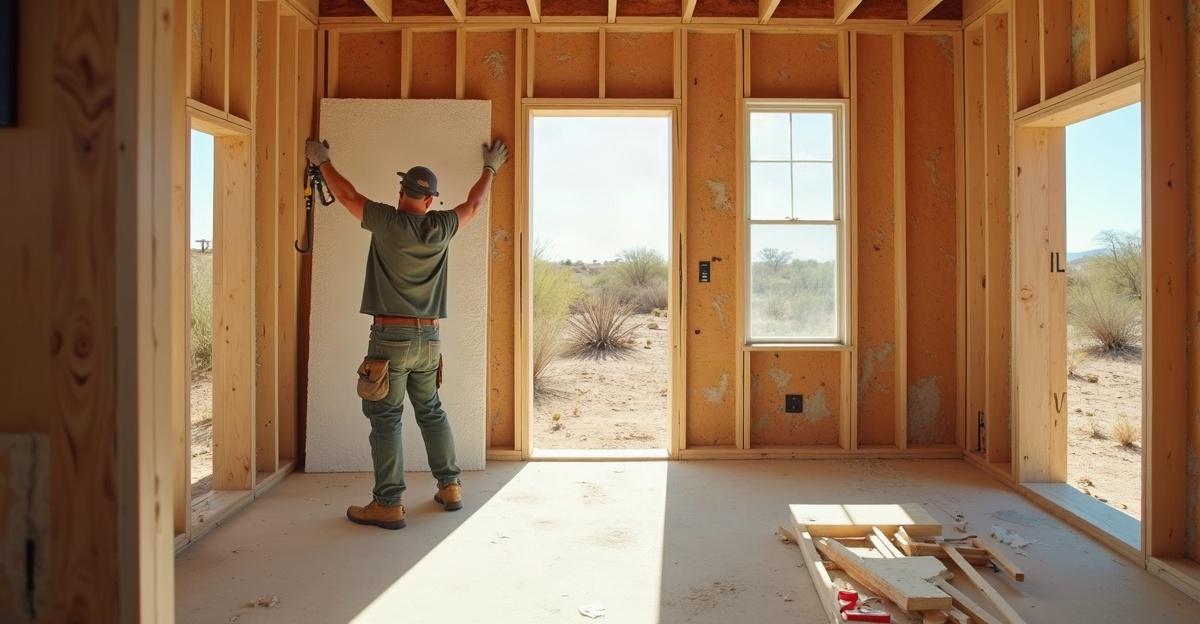
New construction allows full integration of insulation into the building envelope design from the start. We collaborate with project teams to align R-values, air control layers, and HVAC coordination. Proper insulation levels help avoid oversizing or undersizing mechanical systems.
Cost and return on investment vary by property. Initial investment may feel significant, yet the broader view includes stabilized operating costs, controlled HVAC strain, and long-term asset protection. We avoid exaggerated claims. Instead, we focus on measurable building performance improvements based on current conditions.
Practical Building Insulation Tips for Property Owners and Contractors
A structured review process leads to smarter insulation improvements. We recommend these building insulation tips as a starting point:
- Schedule a professional insulation assessment to review R-values, air leakage, duct losses, and roof heat gain.
- Evaluate utility trends and documented comfort complaints together rather than separately.
- Seal gaps, penetrations, and attic access points before or alongside insulation upgrades.
- Confirm consistent coverage. Gaps, compression, or misaligned batts reduce effective R-value.
- Align insulation upgrades with ventilation and moisture management strategies.
Quality installation determines long-term performance. Poorly installed systems compromise commercial energy efficiency and shorten expected service life. Partnering with qualified commercial insulation services helps ensure coverage, proper material selection, and coordinated air control.
For building owners and contractors evaluating next steps, a straightforward insulation assessment clarifies present conditions and practical improvements. Clear data leads to informed decisions that support comfort, durability, and stable operating costs over time.