How Insulation Helps Reduce Commercial Energy Costs?
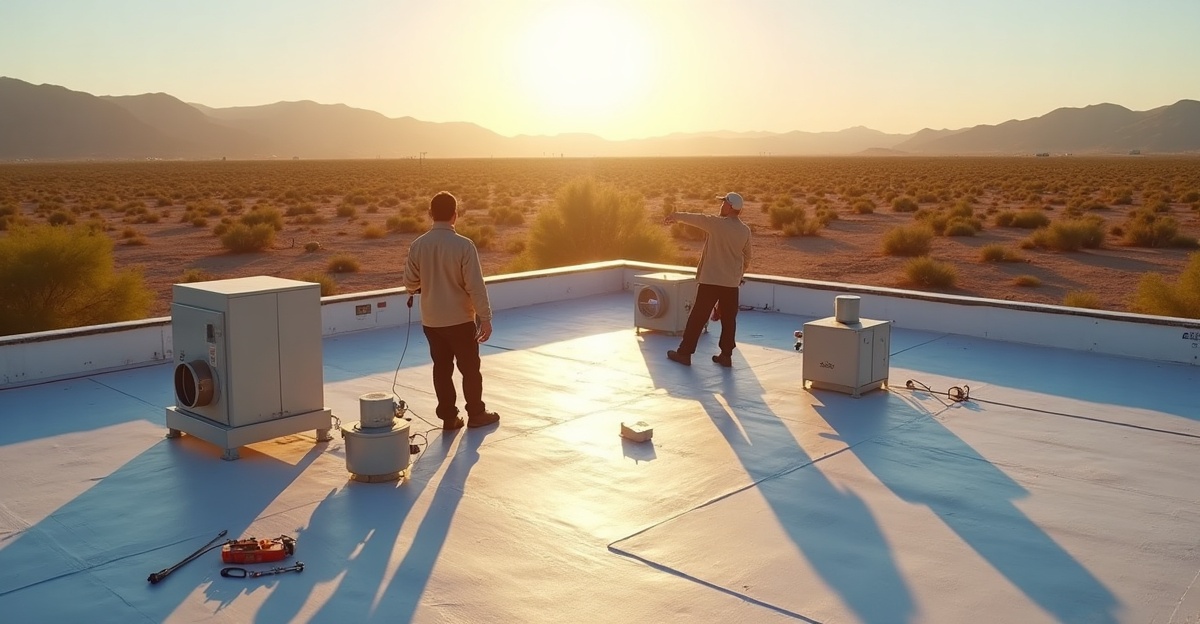
Commercial buildings in Arizona face extreme cooling demands from intense solar radiation, roof heat gain, and air leakage. These factors extend HVAC runtime and raise utility costs. We help businesses reduce commercial energy costs with insulation by limiting heat transfer, controlling unwanted air movement, and improving roof, wall, and duct performance based on each building’s structure and condition.
Key Takeaways
- Heat gain in commercial buildings primarily occurs through roof decks, attic spaces, metal framing, and unsealed wall and duct penetrations.
- Insulation reduces conduction, convection, and radiant heat transfer, lowering HVAC load and shortening system run times.
- Proper installation and air sealing are critical to achieving consistent temperatures and preventing energy loss.
- Targeted upgrades in high-impact areas such as roof assemblies, steel structures, and duct systems deliver measurable performance improvements.
- Matching insulation type to building design, climate, and occupancy ensures long-term efficiency and predictable operating costs.
Heat gain in commercial buildings primarily occurs through roof decks, attic spaces, metal framing, and unsealed wall and duct penetrations. We often see the largest energy losses at the roofline, where Arizona sun drives surface temperatures far above outdoor air temperature. Metal framing transfers heat quickly, which increases indoor load if we leave it untreated. Unsealed penetrations allow conditioned air to escape while drawing hot outdoor air inside. We address these weak points first because they deliver the fastest returns.
Insulation reduces conduction, convection, and radiant heat transfer, lowering HVAC load and shortening system run times. We slow heat flow through solid materials with high R-value insulation. We limit air movement that carries heat through gaps and cavities. Reflective or spray-applied products help control radiant heat in roof assemblies. Together, these strategies reduce strain on rooftop units and chillers. Lower runtime means less wear and lower maintenance costs.
Proper installation and air sealing are critical to achieving consistent temperatures and preventing energy loss. We seal joints, seams, and penetrations before or during insulation work. Gaps reduce performance, even with high-rated materials. Our crews ensure full coverage at transitions between walls and roofs. Consistency matters in large facilities where small defects multiply across square footage.
Targeted upgrades in high-impact areas such as roof assemblies, steel structures, and duct systems deliver measurable performance improvements. We often recommend improving roof insulation during re-roofing projects to avoid future disruption. We apply spray foam or rigid board to reduce thermal bridging at steel beams and purlins. Duct insulation and sealing prevent energy loss in unconditioned spaces like warehouses or mechanical rooms. Strategic improvements control costs while producing clear efficiency gains.
Matching insulation type to building design, climate, and occupancy ensures long-term efficiency and predictable operating costs. We evaluate how each space functions, from office areas to manufacturing floors. Climate drives material choice, especially in extreme desert heat. Occupancy schedules also influence how we prioritize insulation and air sealing. With the right combination, we improve comfort, stabilize indoor temperatures, and protect the bottom line for years to come.
Where Commercial Energy Costs Add Up Most — And Why Insulation Matters
Commercial buildings in Arizona operate in a cooling-dominated climate. Long summers, high solar exposure, and extreme attic temperatures push HVAC systems hard for much of the year. Roof decks and ceiling assemblies often absorb intense solar radiation, driving heat deep into the building and increasing cooling demand throughout the day.
Energy bills climb when insulation and air sealing fall short. We see it in hot and cold spots across offices, warehouse areas that never fully cool down, and HVAC systems that run longer than they should. Uncontrolled air leakage allows conditioned air to escape and hot outdoor air to enter. The result is higher utility costs and unnecessary strain on equipment.
Businesses can reduce commercial energy costs with insulation by minimizing heat transfer, reducing HVAC runtime, and improving overall building performance. Energy saving insulation works by addressing three basic building science principles:
- Conduction: Heat moves through solid materials like roof decks, metal wall panels, and framing.
- Convection: Air movement carries heat through gaps, cracks, and duct leaks.
- Radiation: Solar heat gain transfers energy directly into roof surfaces, especially in low-slope and metal buildings.
In Arizona, radiation and conduction at the roof assembly are often primary drivers of cooling demand. Without proper insulation, that heat quickly reaches occupied space.
Realistic expectations matter. Energy performance improvements depend on the building’s condition, age, design, climate exposure, and installation quality. There is no one-size solution or fixed percentage reduction that applies to every structure. Instead, the focus should be on measurable upgrades that limit heat transfer and air leakage while improving office energy efficiency and warehouse performance.
How Insulation Reduces HVAC Load and Operating Expenses
Energy saving insulation slows the movement of heat from outside to inside. During Arizona summers, it keeps extreme attic and roof temperatures from transferring quickly into conditioned areas. In cooler months, it helps retain conditioned air where it belongs.
R-value describes resistance to heat flow. The higher the R-value, the greater the material’s ability to resist heat transfer. In commercial settings, proper R-value alone is not enough. Installation quality and air sealing determine whether the system performs as intended.
When insulation and air sealing work together, buildings experience consistent improvements:
- Reduced HVAC load, so equipment does not have to fight constant heat gain.
- Shorter system run times during peak cooling hours.
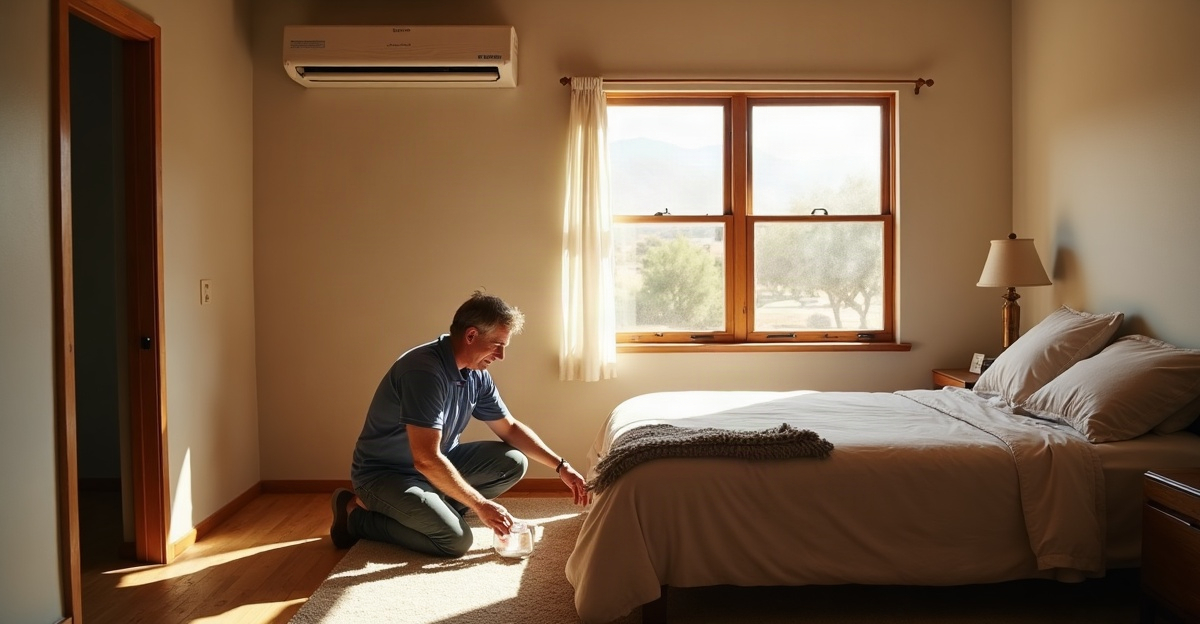
- More consistent temperatures across zones, offices, and warehouse floors.
- Extended equipment lifespan due to reduced cycling and strain.
Duct performance is also a major factor. In many Arizona buildings, ducts run through hot attics or above warehouse ceilings. If those ducts are poorly sealed or surrounded by inadequate insulation, cooled air warms up before it ever reaches workspaces. That translates directly to longer runtimes and higher electric bills.
Insulation alone does not solve every problem. Air sealing must work alongside it. Sealing penetrations, joints, and transitions prevents uncontrolled airflow that undermines insulation performance. In a warehouse with large volume ceilings, small gaps can have a significant cumulative effect. In office settings, unsealed wall cavities and ceiling penetrations often explain uneven room temperatures and persistent comfort complaints.
High-Impact Areas in Commercial Buildings That Drive Energy Loss
Certain areas consistently contribute to heat gain and energy waste in Arizona commercial properties. Addressing these areas often delivers the greatest return.
Roof decks and attic spaces are primary heat gain zones. Solar radiation drives temperatures up dramatically, and insufficient insulation allows that heat to radiate downward into occupied space.
Metal buildings and large-span structures present unique challenges. Steel framing conducts heat rapidly, creating thermal bridging. Even with cavity insulation in place, heat can bypass the insulation through framing members. Proper warehouse insulation strategies must reduce this effect with continuous insulation or spray-applied systems that limit air movement.
Wall cavities in offices and light commercial properties also contribute to energy loss. Gaps around electrical boxes, poorly fitted insulation, and unsealed top and bottom plates allow convection currents to form inside walls.
Other common problem areas include:
- Rim joists and slab transitions.
- Roll-up doors and loading dock connections.
- Mechanical and duct penetrations through roof and wall assemblies.
Each of these leakage points increases cooling demand and creates inconsistent indoor comfort. Addressing them improves temperature stability, especially in mixed-use facilities with office space adjacent to warehouse areas.
For many businesses, targeted upgrades in these high-impact areas make the difference between constant temperature complaints and reliable climate control.
Choosing the Right Insulation for Your Building Type
Different building types demand different insulation strategies. Climate, structural design, occupancy patterns, and budget all play a role in selecting the right system.
Spray foam insulation combines high R-value with air sealing in a single application. It expands to fill gaps and adheres directly to substrates, making it well suited for metal buildings, roof decks, and areas where moisture control is important. We often recommend spray foam insulation in steel structures and complex roof assemblies that require both thermal resistance and air control. For a deeper technical overview, see what spray foam insulation is and how it works and our comparison of open cell vs closed cell spray foam.
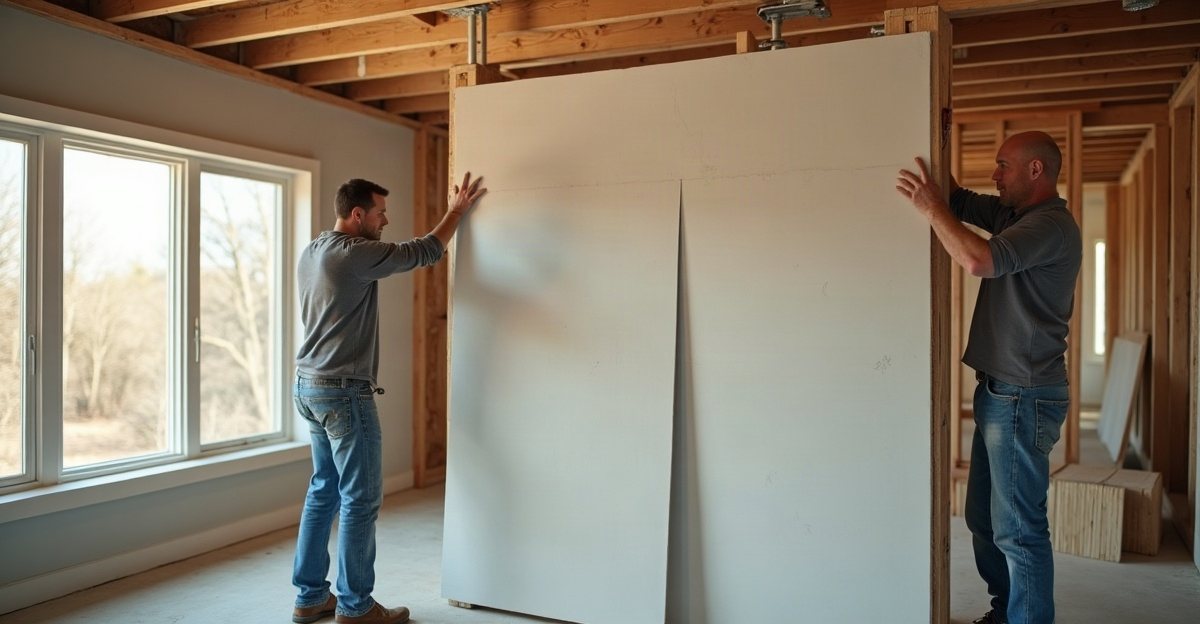
Batt insulation remains a cost-effective solution in framed office spaces. Performance depends heavily on proper fit and air sealing around penetrations. When installed correctly, batt insulation supports office energy efficiency in interior walls and roof assemblies. We outline performance differences in our guide to batt vs blow-in insulation.
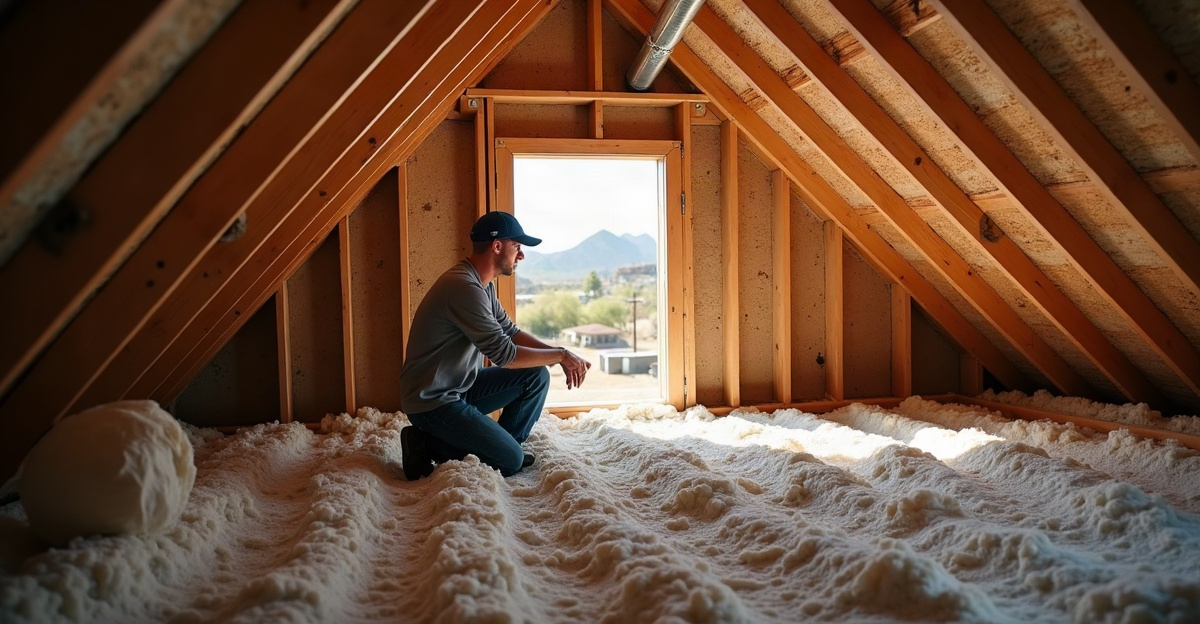
Blown-in insulation works well for attics and retrofit projects. It fills irregular cavities and covers existing materials to improve overall R-value. In large attic spaces above offices, blown-in insulation can help create uniform coverage across the ceiling plane.
Rigid board insulation plays a valuable role in continuous exterior applications. By reducing thermal bridging at framing members, it strengthens the overall thermal envelope, especially in metal and steel-framed construction.
Warehouse insulation typically prioritizes roof deck performance, steel structure control, and managing large open volumes. Office-focused assemblies emphasize occupant comfort, zoned temperature control, and sound reduction. No single product is universally superior. Long-term performance depends on matching the insulation system to the building’s use and climate conditions.
Retrofit vs. New Construction: Planning for Long-Term Efficiency
Retrofit insulation and new construction require different approaches.
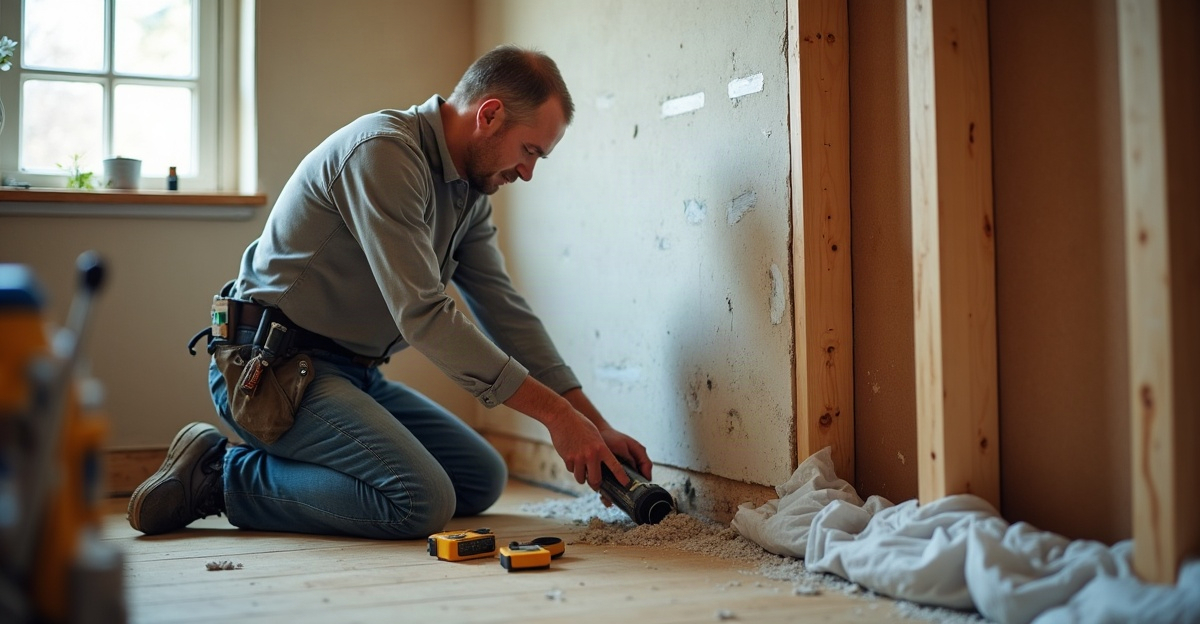
Retrofit projects start with existing conditions. Contractors evaluate current insulation levels, hidden air leakage, and structural access limitations. Walls may have limited access, and roof assemblies may need upgrades to meet current energy expectations. In many cases, retrofit insulation focuses on improving attic insulation, sealing penetrations, and upgrading key thermal boundaries. For background, see what retrofit insulation involves and how it lowers operating expenses in how retrofit insulation helps lower energy bills.
New construction allows insulation and air sealing to be integrated from the start. Coordinating insulation levels with HVAC design prevents oversizing equipment. Proper planning reduces future operational costs and improves long-term building durability. When insulation forms part of the original design strategy, performance is easier to control and verify.
In both cases, the return on investment appears through reduced operating expenses, more stable temperatures, and lower wear on mechanical systems. Over time, those improvements contribute to predictable energy costs and fewer comfort-related disruptions.
What to Expect from a Commercial Insulation Assessment
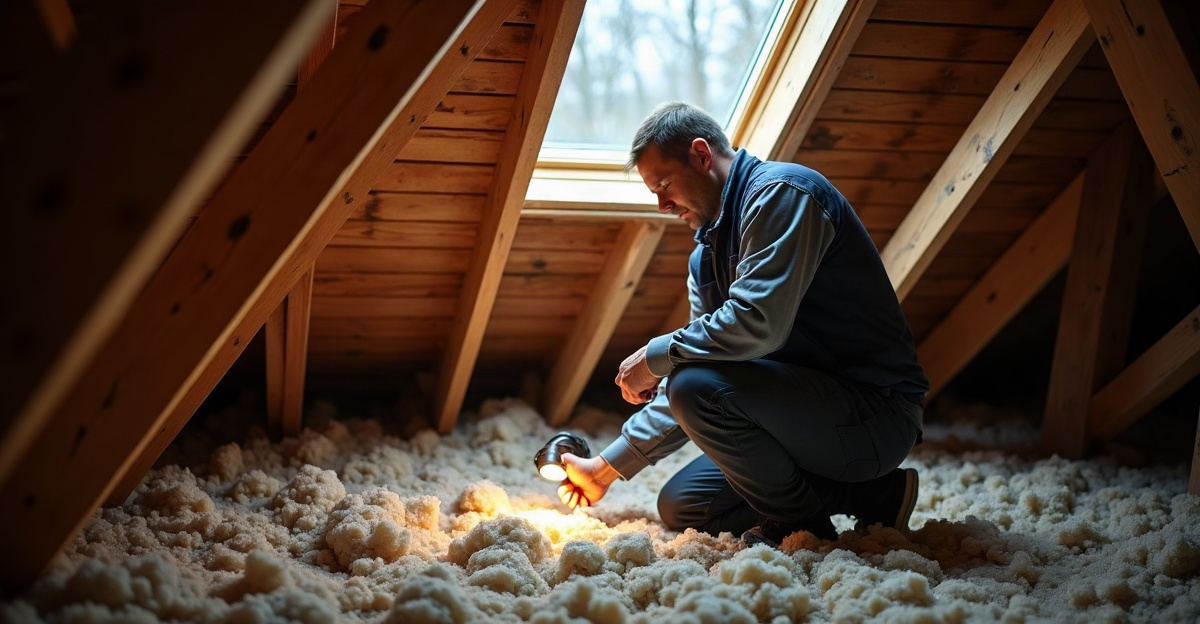
A professional commercial insulation assessment reviews the building envelope as a complete system. This includes examining roof decks, attic spaces, wall assemblies, and visible duct systems. Inspectors look for insulation gaps, compression, and misalignment while identifying areas where air leakage compromises thermal performance. Current R-values are evaluated against building use and climate exposure.
The goal is practical improvement. Measurable results depend on realistic planning, proper installation, and understanding how the building operates.
Beyond energy savings, businesses often notice:
- More stable indoor temperatures throughout the day.
- Improved employee comfort and fewer temperature complaints.
- Better control of operating costs over time.
Companies serious about reducing overhead should consider a professional review of their building envelope. Our commercial insulation services focus on results that support long-term performance. To discuss specific facility conditions, schedule a consultation through our contact page, and we will evaluate the best path forward.