Signs Your Home Needs Retrofit Insulation
High energy bills, uneven temperatures, drafts, and moisture problems often signal the need for retrofit insulation, especially in Arizona homes that face extreme heat and monsoon storms. Aging, settled, or damaged insulation—combined with air leaks—lowers comfort and pushes HVAC systems harder than necessary. We address these issues with a focused insulation assessment that targets the real cause instead of masking the symptoms.
Key Takeaways
- Rising energy bills and rooms that feel consistently hotter or draftier than others often point to insulation gaps rather than HVAC failure. We confirm this with testing before recommending repairs or equipment changes.
- Hot attics, post-monsoon moisture, and insulation disturbed by pests reduce thermal performance and can impact indoor air quality. We inspect these areas closely to prevent long-term damage.
- Homes built before 2000 often contain minimal or settled insulation that no longer meets modern performance standards. We evaluate existing R-values and compare them to current recommendations for Arizona’s climate.
- Common retrofit targets include attics, exterior walls, rim joists, crawl spaces, garages, and rooms next to unconditioned areas. We prioritize upgrades that deliver measurable comfort and efficiency gains.
- A professional insulation assessment shows whether air sealing, focused upgrades, or a broader retrofit plan will produce the best outcome. We base our recommendations on building science and real performance data.
High Energy Bills and Rooms That Never Feel Comfortable
High energy bills are often one of the first signs you need retrofit insulation. In Arizona heat, cooling systems work hard for long stretches of the year. If summer electric bills keep climbing while thermostat settings stay the same, insulation may no longer be doing its job.
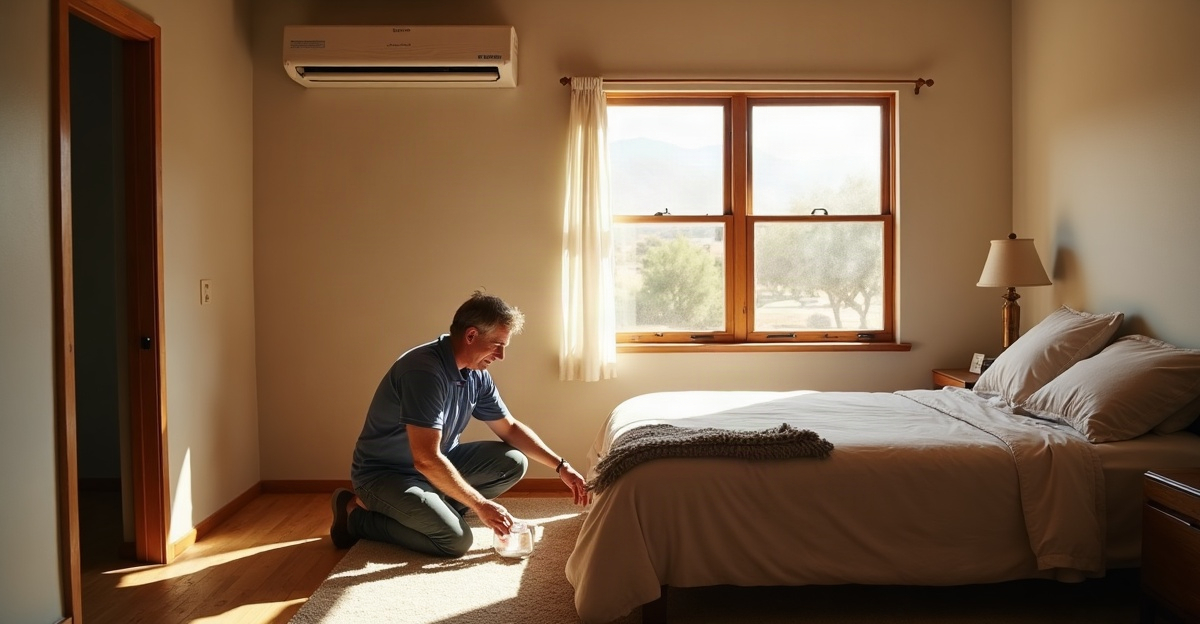
Uneven temperatures are another clear warning. One bedroom may feel warmer than the rest of the house. Upstairs areas often overheat while the main floor stays tolerable. Thermostat adjustments don’t fix hot and cold spots because the issue isn’t always the HVAC system—it’s how the home holds or loses conditioned air.
We often see these practical examples:
- A bedroom over the garage stays several degrees hotter.
- The HVAC system runs longer than it used to.
- Certain rooms feel drafty even with windows closed.
Attics in Arizona can reach extreme temperatures in summer. When attic insulation is insufficient or has settled, that heat transfers into living spaces below. Cooling equipment runs longer cycles to compensate, which drives up energy use and accelerates wear.
Discomfort doesn’t automatically mean full replacement. Some homes need targeted improvements. In other cases, localized air sealing may solve part of the problem. Still, persistent high energy bills and uneven temperatures are strong insulation upgrade signs we take seriously.
Drafts, Hot Attics, and Moisture After Monsoon Season
Drafts near windows, baseboards, rim joists, or attic hatches usually signal air leakage working alongside underperforming insulation. Understanding air sealing vs insulation is key. Insulation slows heat transfer. Air sealing stops uncontrolled air movement. We need both working together for consistent indoor comfort.
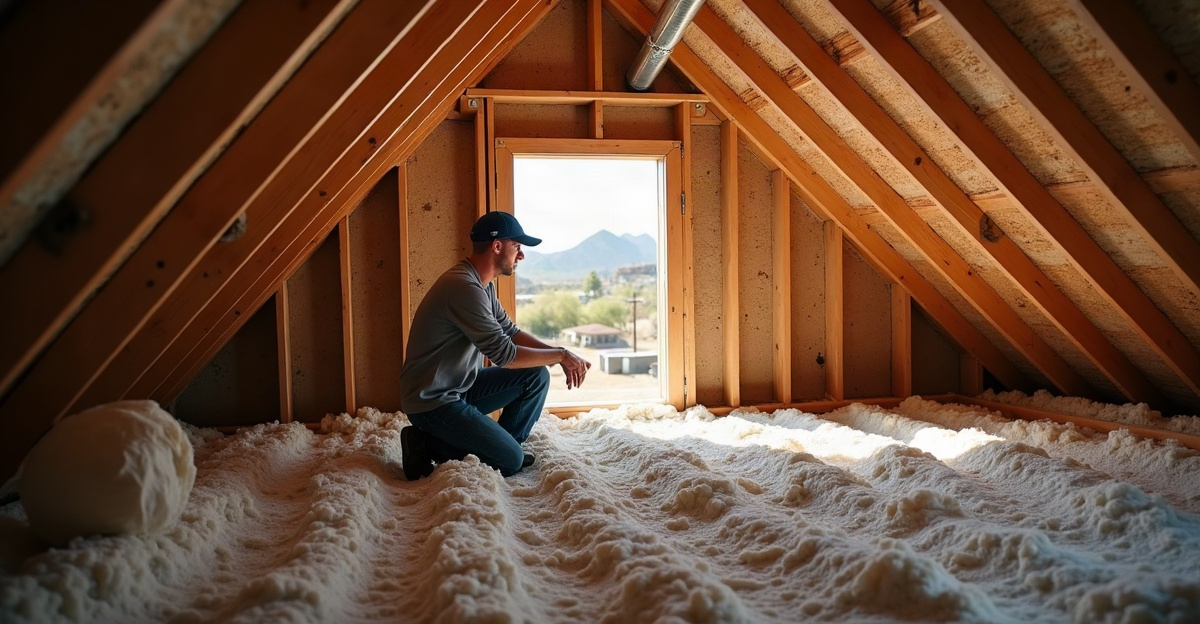
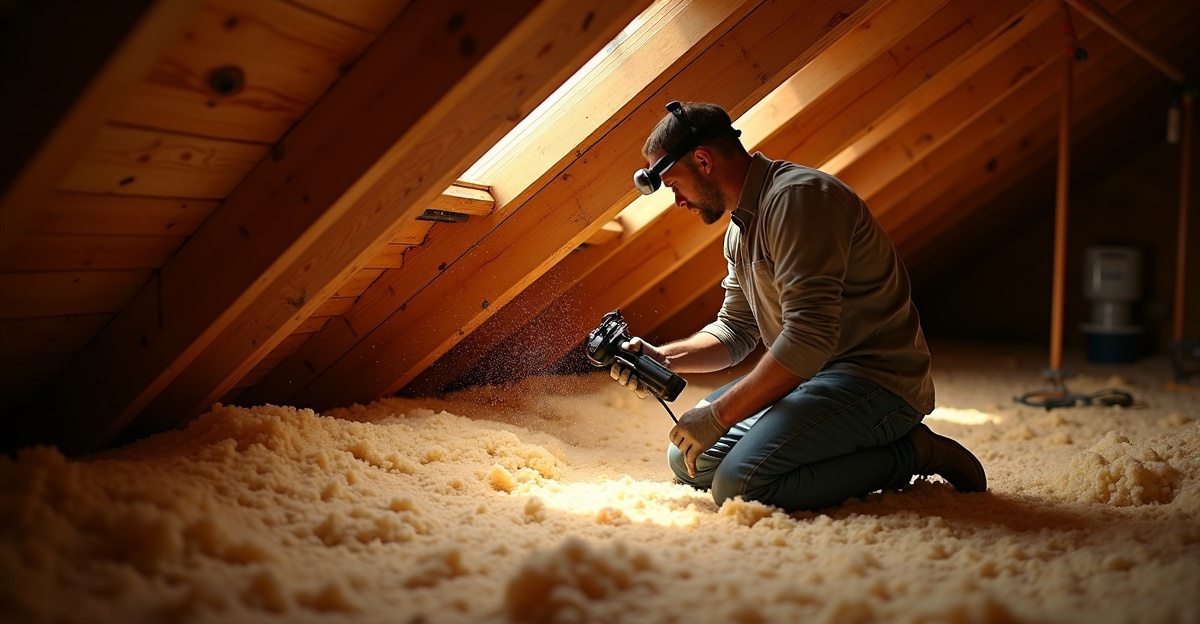
An excessively hot attic in peak summer often points to weak or settled attic insulation. If insulation levels are low or compressed, it can’t slow the intense Arizona heat from pushing into the home below. That strain shows up as rising cooling costs and overheated rooms.
Monsoon season introduces another concern: moisture damage. Damp insulation, visible staining on ceilings, or musty odors can all signal reduced performance. Wet materials lose insulating value and may affect indoor air quality if left unaddressed.
Pest intrusion adds to the problem. Rodents frequently disturb fiberglass batts, creating gaps and compression. Even small voids can reduce overall system effectiveness.
Addressing these issues delivers real retrofit insulation benefits. Proper attic insulation, combined with strategic air sealing, helps stabilize indoor temperatures and supports better indoor air quality. In many Arizona homes, summer heat and monsoon moisture work together to expose weak spots in existing insulation.
Aging or Damaged Insulation in Older Arizona Homes
Old home insulation problems are common in properties built before 2000. Many of these homes were constructed with minimal attic insulation levels or outdated fiberglass batts that no longer meet performance expectations.
Over time, insulation can settle, compress, or shift. Settled insulation leaves gaps at the top of wall cavities or across attic floors. Small openings around recessed lights, plumbing penetrations, and duct chases allow thermal bridging through framing members. Even if insulation appears present, it may be underperforming.
Material breakdown also plays a role. Fiberglass that has been disturbed or compacted loses thickness and effectiveness. Renovations, HVAC upgrades, and electrical work often displace materials, leaving hidden voids in walls and attics.
A realistic assessment matters. We don’t assume insulation is adequate simply because we see material in place. We evaluate depth, coverage, condition, and continuity. In many cases, a targeted retrofit insulation approach strengthens weak areas without full demolition.
Problem Areas Most Likely to Need a Retrofit
Common retrofit targets
The following locations are frequent sources of energy loss and temperature imbalance:
- Attic: The primary source of heat gain. An attic retrofit often delivers the most noticeable comfort improvement.
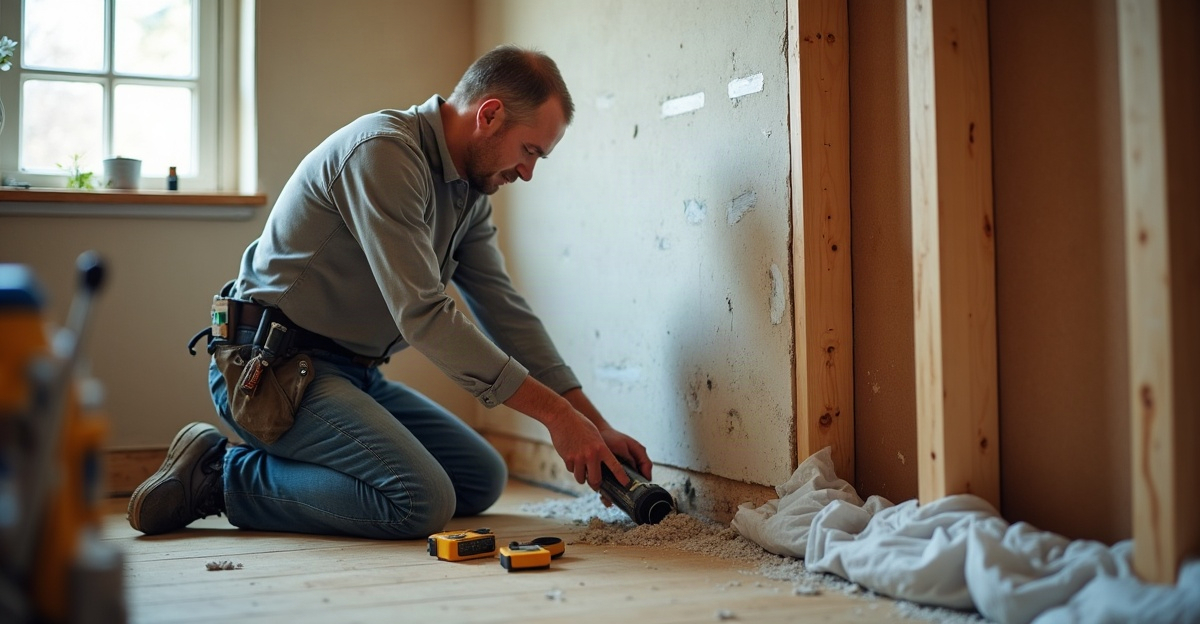
- Exterior walls: Homes lacking proper cavity insulation may benefit from a wall insulation upgrade using dense-pack methods.
- Crawl spaces and rim joists: Common draft locations that respond well to crawl space insulation and rim joist insulation improvements.
- Garages and bonus rooms: Rooms adjacent to unconditioned spaces often lack adequate separation insulation.
- Light commercial properties: Larger cooling loads and inconsistent zone performance mirror residential symptoms but at a broader scale.
Each space requires a different solution. Some attics benefit from blow-in insulation to restore proper depth and coverage. Wall cavities may call for focused upgrades. Rim joists often improve with spray foam insulation to control both air movement and heat transfer. In other cases, batt insulation replacement solves localized gaps.
An insulation evaluation helps prioritize which areas deserve immediate attention and which can wait.
Why Insulation Fails Over Time and What Retrofit Insulation Does
Insulation doesn’t typically fail all at once. It declines gradually due to settling, compression, air leakage, moisture exposure, poor original installation, or outdated materials. Arizona’s prolonged summer heat and temperature swings stress building materials year after year. Monsoon moisture can further weaken performance.
Retrofit insulation addresses these weaknesses within existing structures. Instead of full demolition, we upgrade, add, or reinforce insulation where it’s lacking. A well-planned retrofit insulation project restores lost performance and improves system balance.
Retrofit insulation benefits are practical and measurable over time:
- More stable indoor temperatures.
- Improved comfort in problem rooms.
- Better HVAC efficiency due to reduced load.
- Energy cost stabilization based on existing conditions.
- Enhanced indoor air quality when air leakage and moisture issues are resolved.
We avoid exaggerated savings claims. Actual results depend on the home’s starting point and the extent of deficiencies. Still, correcting insulation upgrade signs strengthens long-term performance and supports more predictable energy use.
When to Schedule a Professional Insulation Assessment
If multiple symptoms appear at once—high energy bills, uneven temperatures, visible deterioration, or moisture concerns—it’s reasonable to request a professional assessment. These combined signs you need retrofit insulation rarely resolve on their own.
A thorough insulation evaluation may include:
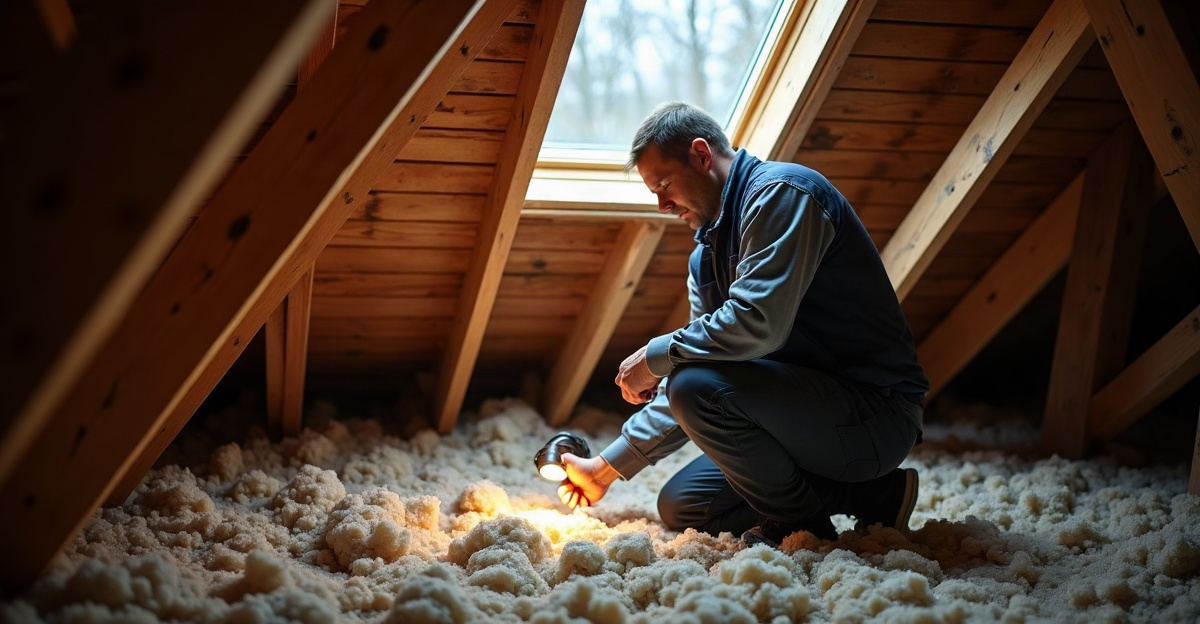
- Visual attic inspection.
- Measuring insulation depth.
- Checking for settled or displaced areas.
- Identifying air leakage points.
- Reviewing comfort complaints in specific rooms.
Arizona homeowners can ask practical questions during the assessment:
- Is the issue insulation, air sealing, or both?
- Are localized repairs sufficient?
- Which areas are the highest priority?
Clear answers guide smart next steps. In some homes, minor upgrades solve the problem. Others benefit from broader improvements through our residential insulation services.
Scheduling an inspection provides clarity. From there, we review findings, outline options, and recommend improvements based on actual conditions. Property owners ready to move forward can request a professional assessment and make a plan built on performance, not guesswork.