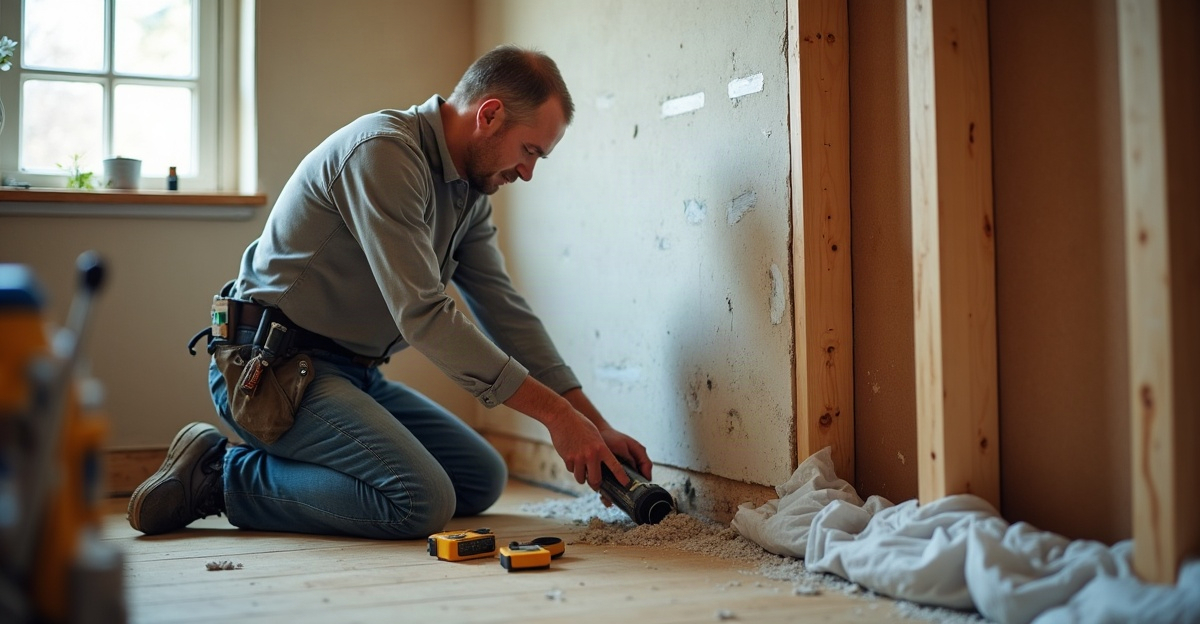
How Residential Insulation Improves Indoor Comfort?
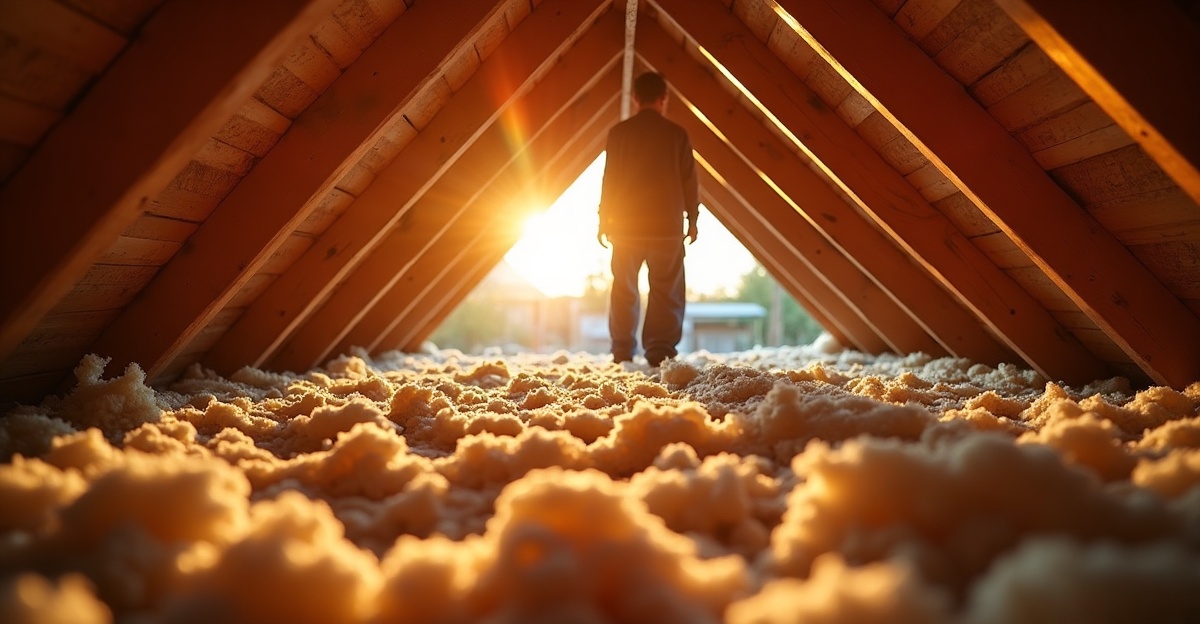
Residential insulation delivers measurable benefits by slowing heat transfer through attics, ceilings, and walls. We maintain steadier indoor temperatures during Arizona’s intense summer heat by combining the right R-value coverage with effective air sealing, which reduces hot upstairs rooms, uneven cooling, and excessive HVAC cycling to improve overall comfort.
Key Takeaways
- Insulation resists heat movement, which helps us stabilize room-to-room temperatures and reduce overheating in sun-exposed or upstairs areas.
- Higher R-values and proper installation increase temperature consistency and limit rapid indoor temperature swings.
- Upgrading attic insulation often delivers noticeable comfort improvements in hot climates, especially where existing coverage falls short.
- Insulation performs best when we pair it with air sealing to stop conditioned air loss and block outside heat from entering.
- Material choice should align with performance goals, whether we want better coverage, reduced air leakage, or stronger long-term system efficiency.
What Residential Insulation Actually Does for Indoor Comfort
Residential insulation slows heat transfer. In simple terms, it helps keep cooled air inside during Arizona summers and reduces unwanted heat gain through attics, ceilings, and walls.
Heat naturally moves from hotter areas to cooler ones. During triple-digit heat, that means the outside pushes heat into the home. Insulation acts as a barrier that resists that heat flow, giving our HVAC system a fighting chance to maintain steady indoor temperatures.
R-value is the measurement used to describe insulation performance. We don’t need complex formulas to understand it. Higher R-values generally mean better resistance to heat movement, which translates into more stable indoor temperatures, fewer hot and cold spots, and less temperature swing between rooms.
Effective home comfort insulation supports:
- More even room-to-room temperatures
- Reduced overheating in upstairs spaces
- Less dramatic temperature drops at night
- Improved overall building performance
Insulation also plays a major role in creating energy efficient homes. When heat gain is reduced, air conditioners cycle less often and run for shorter periods. That lowers strain on equipment and limits wear over time. In an Arizona summer, that difference matters.
Results depend on several factors. Home age, current insulation levels, installation quality, and air leakage all influence comfort. Insulation works best as part of a complete system, not as an isolated fix.
How Insulation Solves Common Arizona Comfort Problems
Arizona homes face extreme seasonal stress. Extended heat, attic temperatures far above outdoor air temperature, slab foundations, and sun-exposed exterior walls all contribute to indoor discomfort.
Hot upstairs rooms often point to attic insulation issues. Many homes have vented attics with ductwork running through superheated air. If attic insulation is thin, compressed, or uneven, ceiling heat transfer increases. The result is second floors that stay warm long after the thermostat reaches its set point.
Uneven cooling across the home usually ties back to heat gain through ceilings and poorly insulated walls, especially under tile roofs. Sun-exposed west-facing walls absorb intense afternoon heat. Without adequate insulation, that heat radiates inward.
High energy bills are another signal. Constant AC cycling often means the system is compensating for weak thermal protection. If cold air escapes or heat continually pushes in, the equipment runs longer and more frequently.
Does insulation really make a difference in hot climates?
Yes. In hot climates, insulation reduces how quickly exterior heat moves into living space. It slows heat transfer from attic air, roof decking, and sun-soaked walls. While it won’t eliminate the need for air conditioning, it helps maintain comfort with less fluctuation.
Attic upgrades are often the first priority. Improving coverage with materials such as blow-in insulation can help fill gaps and improve overall coverage. In homes with significant air leakage or exposed roof decks, spray foam insulation can combine insulation and air control in a single application. We explain the basics in our guide to how spray foam insulation works.
Can better insulation lower my AC usage in Arizona?
Improved insulation often reduces AC runtime, especially during peak daytime heat. The system doesn’t have to recover as often from rapid temperature increases.
We avoid promising dramatic percentage savings. Every home performs differently. What most homeowners notice is greater comfort consistency and reduced HVAC strain. Energy consumption often improves as a practical outcome of that improved stability.
The Overlooked Factor: Insulation and Air Sealing Work Together
Insulation alone isn’t always enough. Air leaks around attic penetrations, duct chases, recessed lighting, plumbing penetrations, and wall gaps allow conditioned air to escape and hot air to enter.
Air sealing is the process of closing those openings. In plain terms, it blocks unwanted air movement. Insulation slows heat transfer, while air sealing stops direct air exchange. Together, they create a more controlled indoor environment.
Common signs of air leakage include:
- Noticeable drafts near ceiling fixtures or attic hatches
- Excess dust indoors
- Rooms that heat up quickly in the afternoon
- Temperature differences even after insulation upgrades
Failing to address leakage can limit performance gains. We sometimes see attic insulation added over visible gaps. Without sealing those gaps first, expected comfort improvements don’t fully materialize.
How do I know if my home has poor insulation or air leaks?
Patterns tell the story. Rooms that are consistently hotter than others, rising utility bills without rate increases, and persistent drafts usually indicate a building envelope issue.
Older properties are especially prone to gaps and degraded materials. Reviewing common signs your home needs retrofit insulation helps clarify whether an upgrade makes sense.
When symptoms persist, a professional assessment provides clarity. We evaluate insulation levels, installation quality, and air leakage paths before recommending changes. That approach prevents guesswork and incomplete solutions.
Realistic Benefits of Upgrading Insulation in Existing Homes
Upgrading insulation improves comfort in measurable ways. Practical residential insulation benefits include:
- More consistent indoor temperatures
- Reduced HVAC runtime and wear
- Moderate indoor humidity control
- Quieter interiors due to added sound dampening
Many Arizona homes built before modern energy standards have minimal or deteriorated insulation. Materials settle, compress, or shift over time. Adding attic insulation is often straightforward and minimally disruptive. Wall upgrades require more planning and budget consideration, but in some cases they deliver noticeable performance improvement.
Retrofit projects are common in older homes. Homeowners can learn the basics of retrofit insulation for older homes and explore our retrofit insulation services to understand available options.
Each home requires evaluation. We base recommendations on observable comfort issues, measured conditions, and overall building design. Installation quality matters as much as material choice. Proper coverage, correct depth, and integration with air sealing are essential for dependable long-term performance.
Choosing the Right Insulation Type Based on Outcomes
Insulation materials differ in how they perform. The best choice depends on what we are trying to improve: stability, leak reduction, or coverage.
Spray foam insulation provides insulation and air control in one step. Applied to roof decks or wall cavities, it expands to fill gaps and reduces air leakage. This helps limit heat gain and create more stable indoor conditions. For detailed comparisons, we outline open cell vs closed cell spray foam insulation performance differences.
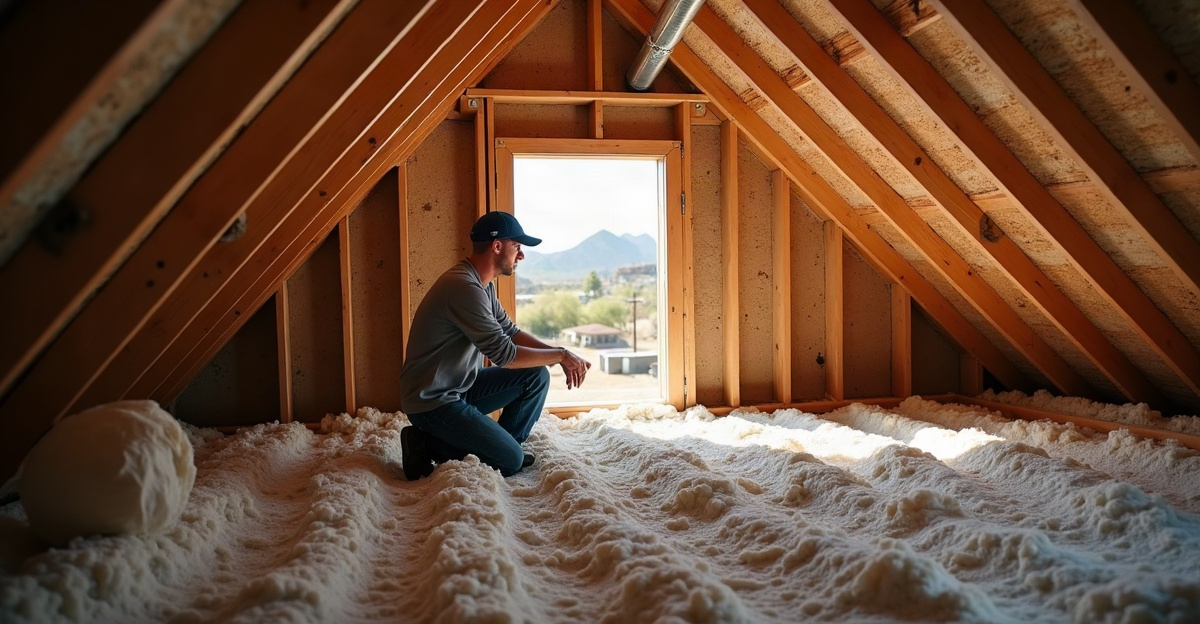
Blown-in insulation works well in attics. It spreads evenly across the surface, filling small voids and covering irregular areas. That consistent blanket improves temperature stability and supports energy efficient homes.
Batt insulation remains common in framed wall cavities and accessible spaces. When installed properly, it provides dependable thermal resistance. A comparison of batt insulation vs blow-in insulation highlights practical differences for various applications.
In some homes, targeted upgrades such as wall spray insulation help reduce heat transfer through sun-facing exterior walls. In others, adding attic depth with batt insulation or blown-in products is enough to resolve temperature swings.
Material selection should focus on outcomes. We match insulation type to the performance goal, not just the lowest upfront price.
Practical Insulation Comfort Tips Homeowners Can Use Now
Small inspections can reveal larger issues. Before considering upgrades, we recommend simple checks:
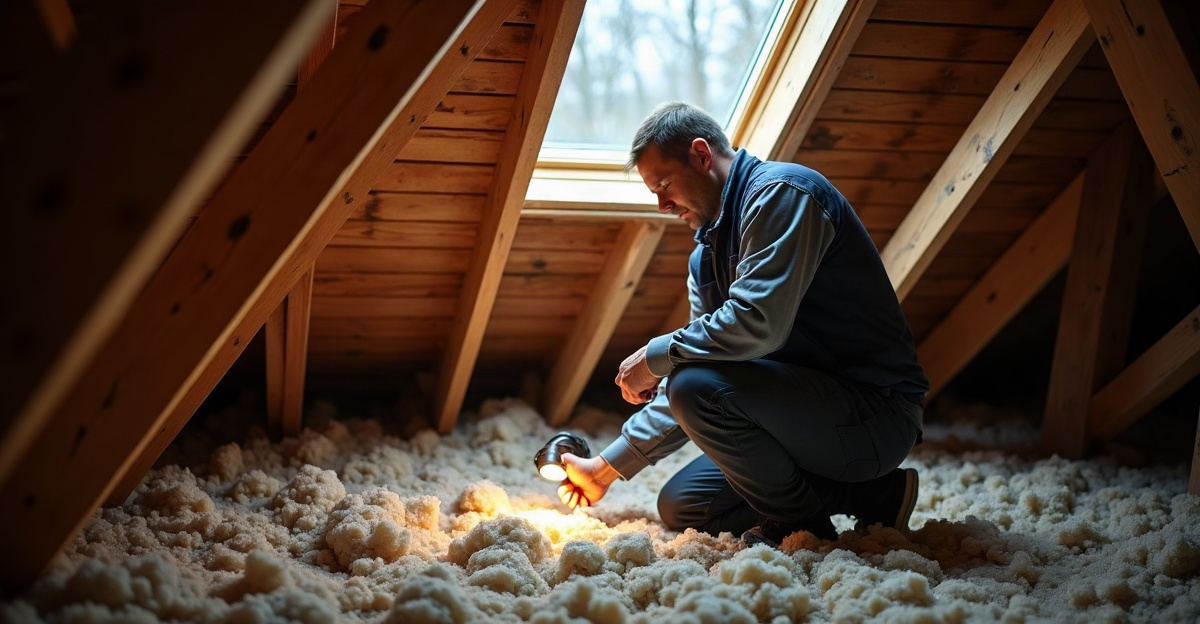
- Look in the attic for visible gaps or compressed insulation.
- Pay attention to rooms that feel hotter in late afternoon.
- Compare seasonal utility bills year over year.
- Inspect attic hatches and recessed lights for air movement.
These insulation comfort tips help identify patterns. If insulation is thin enough to see ceiling framing, coverage is likely insufficient. If certain rooms consistently overheat, heat gain through walls or ceilings may be the cause.
DIY patchwork rarely solves systemic problems. Adding random insulation without evaluating air leakage or overall depth can produce uneven results.
A professional evaluation provides direction. Through a detailed home assessment, we review insulation levels, airflow concerns, and symptom patterns. From there, we recommend practical steps grounded in building science and long-term performance.
Homeowners can explore additional guidance in our insulation blog or reach out through our contact page to schedule a consultation. The goal is clear: smarter insulation decisions, dependable comfort, and better overall home performance in Arizona’s demanding climate.