How Often Should Attic Insulation Be Replaced?
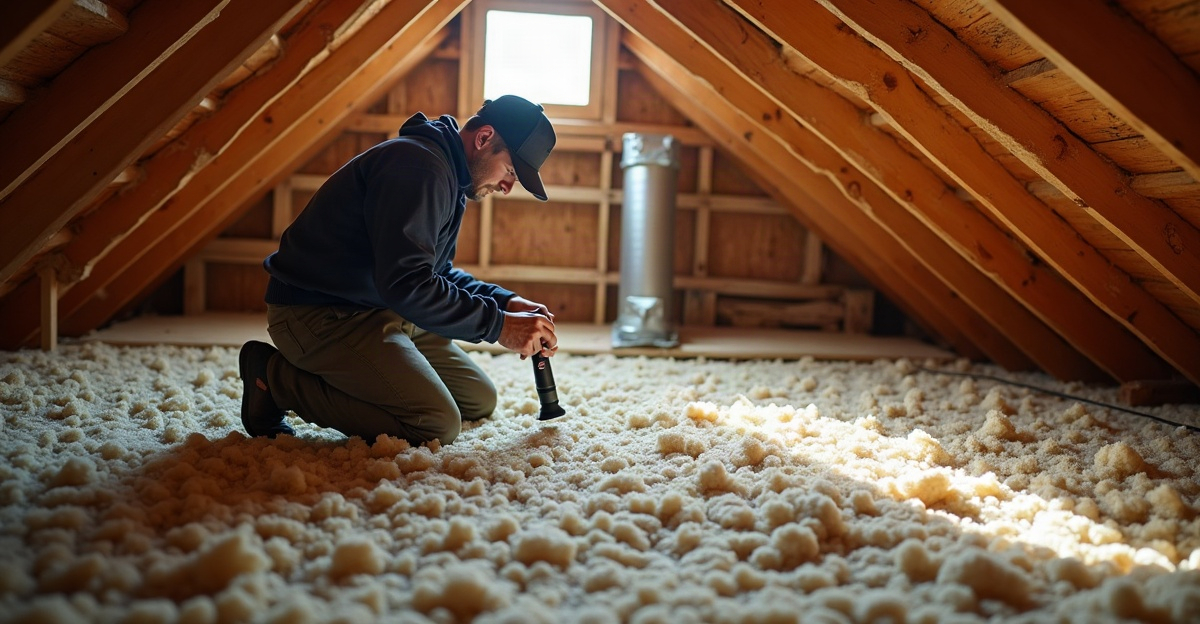
Homeowners often ask how often attic insulation should be replaced, but the right answer depends on performance, condition, and environmental exposure rather than a fixed timeline. We see insulation last 20–30 years in Arizona’s extreme heat and monsoon seasons when installers place it correctly and keep it dry. However, settling, moisture, pests, and air leaks often reduce effectiveness much sooner and require inspection.
Key Takeaways
- We replace attic insulation based on performance problems, damage, or contamination—not age alone.
- Extreme attic heat, roof leaks, and pest activity can significantly shorten insulation lifespan.
- Rising energy bills, uneven indoor temperatures, HVAC strain, dust intrusion, and visible settling often signal declining performance.
- If insulation stays dry and stable but lacks sufficient depth, we can add material or improve air sealing to restore performance without full removal.
- We recommend full replacement when insulation shows severe settling, water damage, contamination, or no longer meets current performance standards.
How Often Should Attic Insulation Be Replaced? The Short Answer
There is no fixed universal timeline for attic insulation replacement. Attic insulation should be replaced based on performance, condition, and exposure—not just age.
Many homeowners ask how often should attic insulation be replaced, expecting a number like 10, 15, or 20 years. In reality, insulation does not automatically “expire.” Its effectiveness depends on installation quality, climate conditions, moisture exposure, pest activity, settling, and proper air sealing.
In Arizona’s hot, dry climate, some insulation can last 20–30+ years if it was installed correctly and kept dry. However, performance often declines sooner due to extreme attic heat, settling, dust infiltration, or roof leaks during monsoon season. We regularly see insulation that technically meets an age guideline but no longer performs as intended.
The right approach is performance-based evaluation. If insulation no longer maintains comfort or energy stability, it’s time to take action—whether that means topping off, repairing, or full replacement.
How Long Does Attic Insulation Last in Arizona?
Attic insulation lifespan varies by material type, but installation quality and exposure conditions matter just as much as the product itself.
Typical Lifespan by Insulation Type
Here’s how common materials generally perform in Arizona homes:
- Fiberglass batts: Often 15–30 years. In older Phoenix-area homes, we frequently find batts compressed, misaligned, or poorly fitted, which reduces effectiveness.
- Blown-in fiberglass: 20–30 years. Over time, it can settle, lowering its effective R-value.
- Cellulose: 15–25+ years. It may settle more quickly in high-heat attic environments.
- Spray foam (open or closed cell): 30+ years when properly installed and protected from UV exposure and moisture. For more detail, see how long spray foam insulation lasts.
Those timelines assume ideal conditions. Arizona attics regularly exceed 130–150°F in summer. Prolonged heat can speed up settling and reduce performance, especially in loose-fill materials.
Why Climate and Conditions Matter
Extreme attic temperatures put constant stress on insulation. Add monsoon-driven moisture, roof leaks, rodent activity, and duct leakage, and the insulation lifespan can shorten significantly.
We’ve inspected homes less than 20 years old where blown-in material settled well below recommended depth. We’ve also seen 30-year-old insulation still performing decently because it stayed dry, intact, and properly installed.
The material matters. Exposure and performance matter more.
Signs Your Attic Insulation Is No Longer Performing
Insulation problems usually show up inside the house first. Comfort changes. Energy costs climb. HVAC systems run longer than they should.
What are signs your attic insulation is no longer working? In Arizona homes, we look for both visible and performance-related indicators.
Common warning signs include:
- Rising energy bills without major lifestyle changes.
- Uneven indoor temperatures, especially rooms that overheat in summer.
- HVAC systems running constantly or struggling to maintain the thermostat setting.
- Excess dust in living areas due to attic air infiltration.
- Visible settling, thin spots, or compressed fiberglass batts.
- Water staining or damp insulation after monsoon storms.
- Rodent droppings or contamination in attic materials.
Older homes often show multiple issues at once. We frequently find blown-in insulation that has settled several inches below recommended R-value levels. In homes built decades ago, existing insulation may never have met current energy standards.
If the insulation looks intact but comfort issues persist, reviewing common problems with old batt insulation can help identify hidden gaps and misalignment. Homes showing widespread comfort issues may also benefit from evaluating signs your home needs retrofit insulation.
Performance decline is gradual. Most homeowners don’t notice it until summer heat exposes the problem.
When You Don’t Need Full Attic Insulation Replacement
Attic insulation replacement is not always the default solution. In many cases, we can improve performance without removing everything.
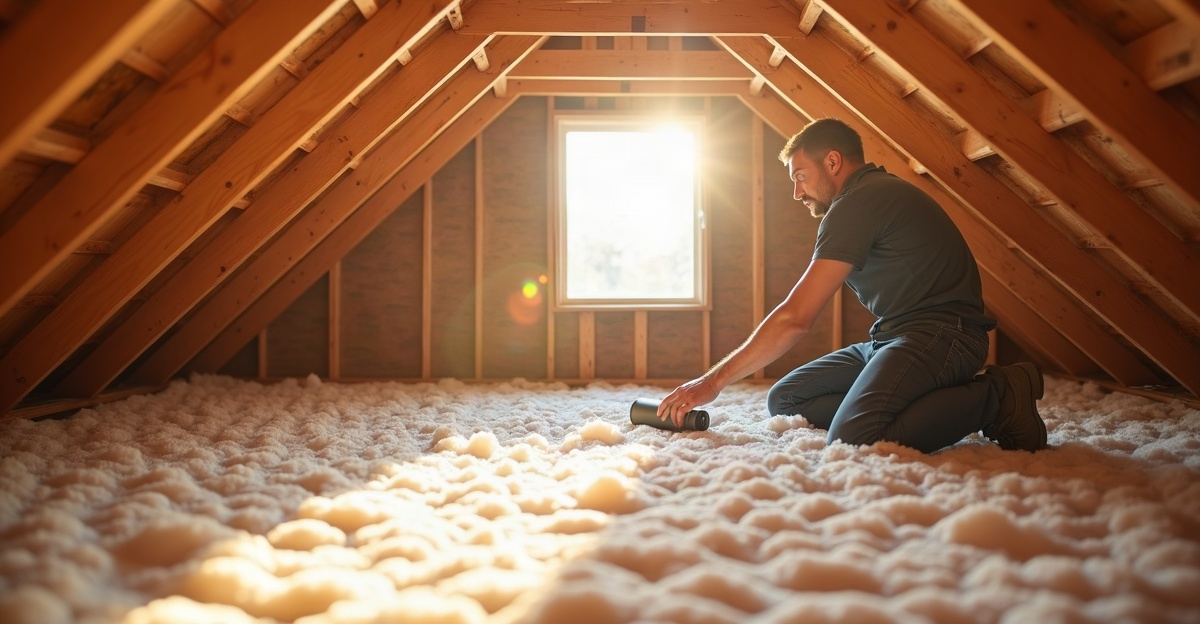
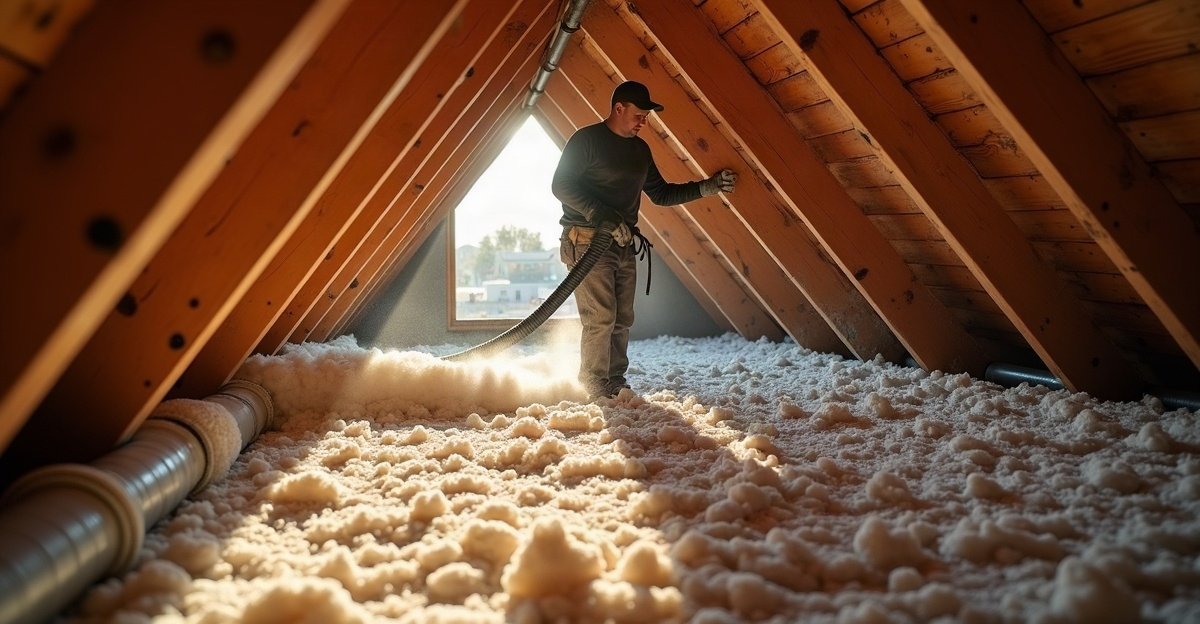
If existing insulation is dry, clean, and structurally sound but below recommended depth, topping it off may be sufficient. Minor settling can be corrected by adding material through professional blow-in insulation services.
Air sealing often delivers major improvements on its own. Dust infiltration, uneven temperatures, and HVAC strain frequently stem from unsealed attic penetrations. Sealing those areas first can significantly improve results without full removal.
Localized issues may also be manageable. Small sections affected by minor roof leaks or limited pest activity can sometimes be removed and replaced without disturbing the entire attic.
Can we add new insulation over old insulation? Yes—if the existing material is dry, uncontaminated, and in stable condition. This approach supports practical insulation maintenance while avoiding unnecessary cost.
The key is accurate assessment. We don’t recommend removal unless conditions justify it.
When Attic Insulation Replacement Makes Sense
Sometimes replacement is the right call. Severe settling that leaves large sections under-insulated often justifies a reset. Water damage from roof leaks during monsoon season can cause mold, matting, or deterioration that compromises performance.
Widespread rodent infestation or contamination is another strong reason to remove existing material. Once insulation becomes soiled throughout, adding new material over it usually isn’t appropriate.
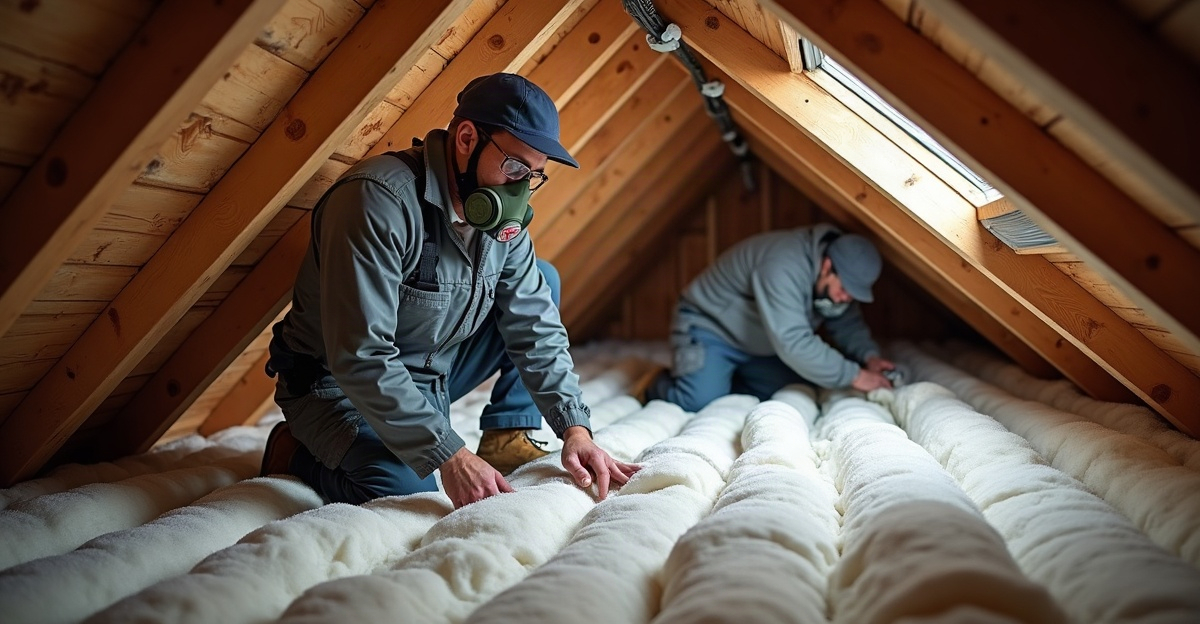
Outdated materials that no longer meet performance expectations can also warrant attic insulation replacement. This is especially true in older homes undergoing renovations. Removing old insulation provides better access for air sealing and duct repairs before installing new material.
For aging properties, upgrading through professional retrofit insulation services can align insulation levels with today’s performance standards.
We focus on comfort, reliability, and long-term performance. We avoid exaggerated savings claims. The goal is stable indoor temperatures, manageable HVAC workload, and consistent energy efficiency.
A Practical Inspection and Maintenance Plan for Long-Term Performance
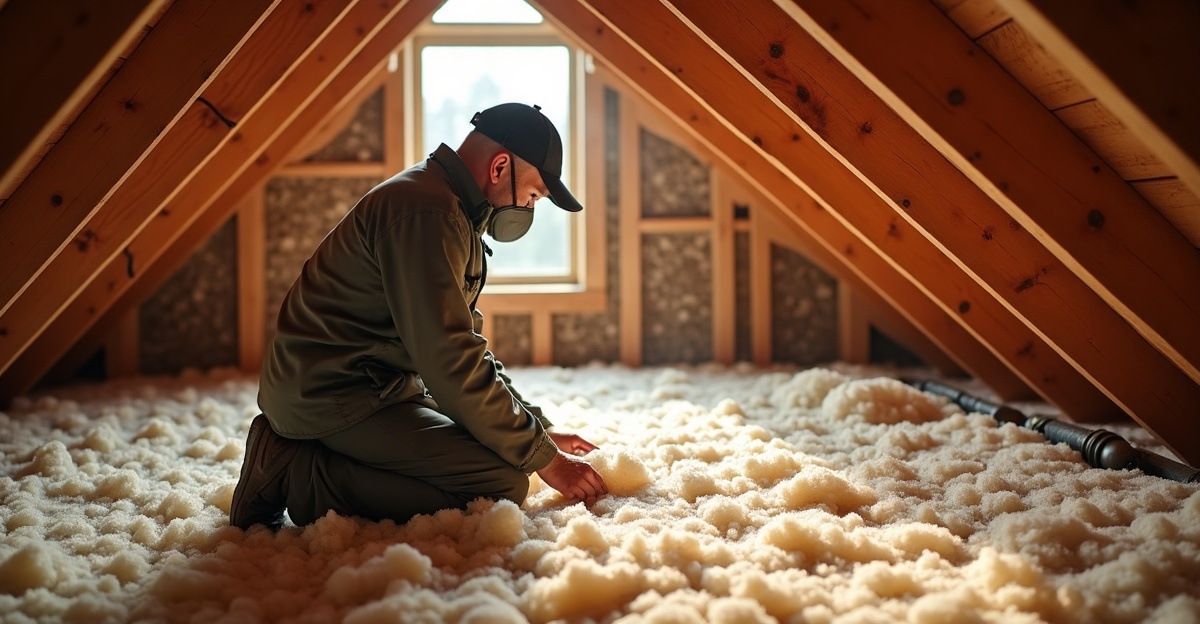
Homes 10–20+ years old benefit from periodic attic inspections. Routine checks catch early settling and moisture issues before performance drops significantly.
A straightforward inspection plan includes:
- Measure insulation depth and compare it to recommended R-values for Arizona.
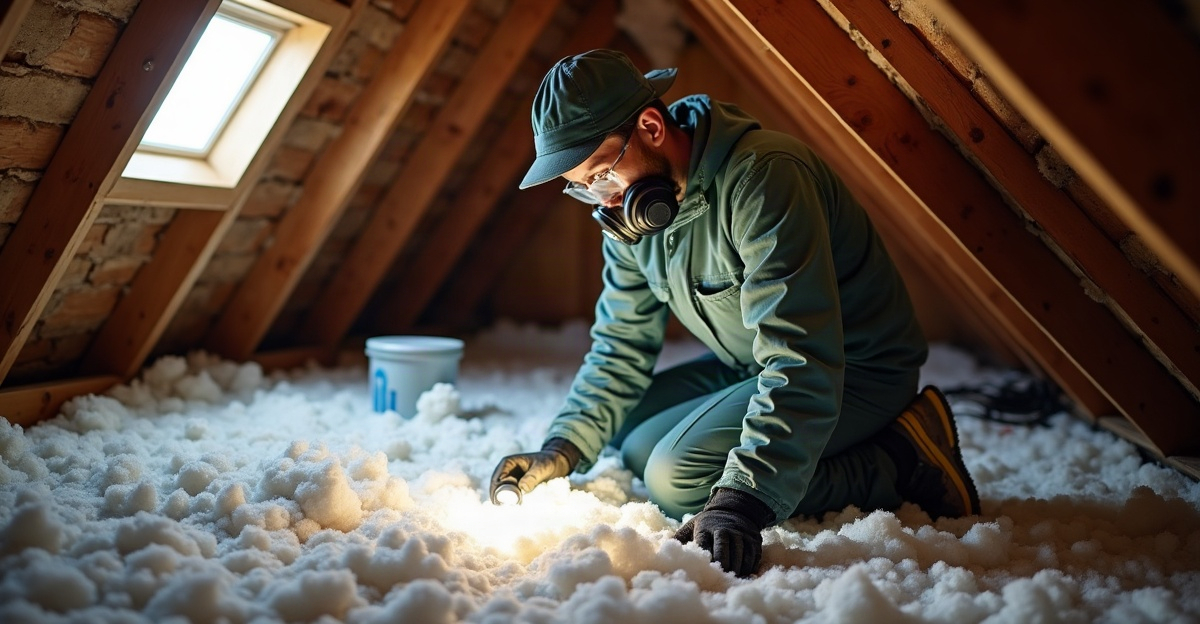
- Check for visible gaps, compression, moisture staining, or pest activity.
- Evaluate attic ventilation and HVAC duct condition.
Consistent attic insulation maintenance supports better comfort during extreme heat, more stable indoor temperatures, and reduced strain on HVAC equipment. It also contributes to better overall energy efficiency without relying on inflated projections.
For homeowners who aren’t sure where their attic stands, a professional assessment provides clarity. Our team evaluates insulation condition, air sealing, and overall performance before recommending upgrades. If guidance is needed, we encourage scheduling an evaluation through our contact page.
Performance—not age alone—determines how often attic insulation should be replaced. Replacement makes sense when insulation no longer delivers comfort and efficiency. In many cases, targeted improvements or maintenance are enough.