Spray Foam vs Fiberglass Insulation: Which Is Better?
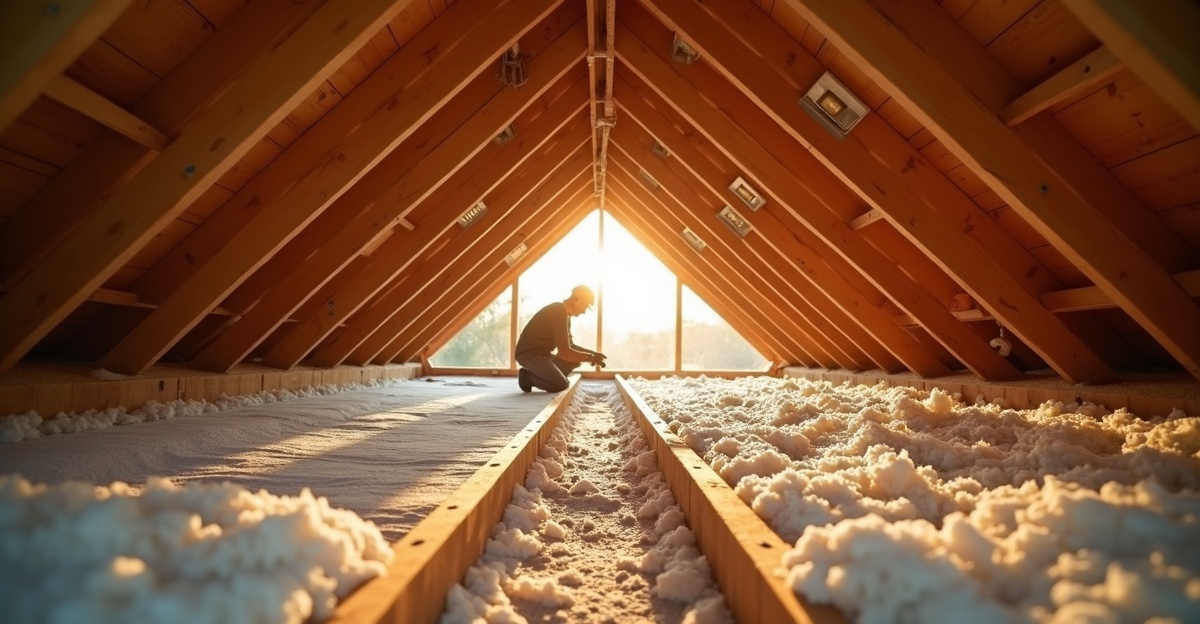
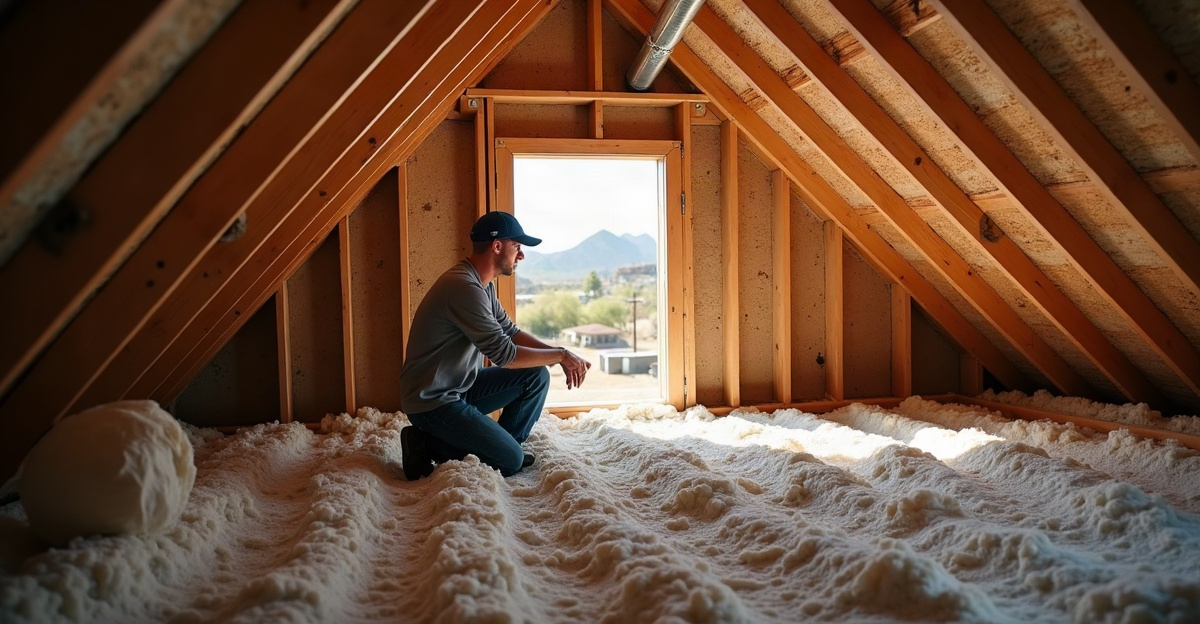
Homeowners who compare spray foam vs fiberglass insulation usually focus on comfort, energy costs, and long-term results. In Arizona’s hot, dry climate, air sealing directly affects cooling demand. We see the core difference in how each material handles air movement. Spray foam creates an air barrier that boosts whole-assembly performance. Fiberglass resists heat flow, but we must pair it with separate air sealing if we want it to perform at its best.
Key Takeaways
- Spray foam delivers air sealing and insulation in one step, while fiberglass slows heat transfer but allows air to move unless we add a dedicated air barrier.
- Closed-cell spray foam provides a higher R-value per inch, yet real-world results depend on full coverage and skilled installation.
- In hot climates, we reduce attic and wall air leakage to improve indoor comfort and stabilize temperatures during long cooling seasons.
- Spray foam bonds to surfaces and stays in place for years, whereas blown-in fiberglass can shift, settle, or compress over time.
- Fiberglass usually costs less upfront, while spray foam often produces stronger long-term results when air sealing drives the project goals.
What Homeowners Notice First: Comfort, Energy Bills, and Air Sealing Performance
Homeowners usually notice comfort and energy bills before anything else. In Arizona homes, that means fewer hot spots, steadier indoor temperatures, less dust, and lower summer cooling costs.
The core difference in spray foam vs fiberglass insulation comes down to air sealing. Spray foam expands into cracks and gaps, then hardens in place to form an air barrier. Fiberglass insulation slows down heat transfer, but it does not stop air movement.
That distinction shapes real-world performance. R-value measures resistance to heat flow. Higher numbers mean better resistance. However, if air moves through or around insulation, its effective performance drops. A wall with high R-value but significant air leakage will not perform as expected.
In Arizona’s hot, dry climate, air sealing carries extra weight. Long cooling seasons and intense solar heat push HVAC systems hard. Limiting attic and wall air leakage reduces heat gain and helps maintain stable indoor conditions.
For a quick side-by-side look at spray foam insulation vs fiberglass, the table below summarizes the differences:
| Category | Spray Foam | Fiberglass |
|---|---|---|
| R-value per inch | Open-cell: ~3.5–3.8 Closed-cell: ~6–7 | ~2.9–3.8 (batts) |
| Air sealing capability | Creates air barrier | Does not stop air movement |
| Moisture behavior | Closed-cell resists moisture; open-cell vapor permeable | Does not absorb moisture but allows air flow |
| Installation type | Professionally mixed and sprayed in place | Batts or blown-in installed in cavities |
| Lifespan | Does not settle; adheres in place | Can settle or shift over time |
| Upfront cost range | Higher initial investment | Lower initial investment |
| Best applications | Attics, crawl spaces, full envelope upgrades, difficult retrofits | Open wall cavities, budget-focused projects |
These differences explain why debates around fiberglass vs spray foam insulation often center on comfort and long-term performance rather than R-value alone.
R-Value and Whole-Assembly Performance in a Hot, Dry Climate
Material R-value is only part of the story.
Typical ranges are:
- Open-cell spray foam: approximately R-3.5 to R-3.8 per inch
- Closed-cell spray foam: approximately R-6 to R-7 per inch
- Fiberglass batts: approximately R-2.9 to R-3.8 per inch
On paper, fiberglass insulation vs spray foam can look similar if we compare open-cell foam to standard batts. Closed-cell foam clearly provides higher R-value per inch. Yet real performance depends on the entire wall or roof assembly.
Fiberglass must be installed carefully. Gaps around wiring, plumbing, or framing reduce coverage. Compression lowers R-value. Air movement through cavities further drops effective performance. Over time, settlement in blown-in applications can create thin spots.
Spray foam insulation bonds to framing and sheathing. It fills irregular voids and limits air movement. That consistency improves whole-assembly performance.
In desert climates, attic heat gain drives much of the cooling demand. Roof surfaces can reach extreme temperatures in summer. Insulation at the attic floor or along the roofline must slow conductive heat and reduce air leakage into living spaces.
Stronger air control often translates into:
- More even temperatures from room to room
- Reduced HVAC runtime during peak summer months
Results vary with home design, duct location, ventilation, and installation quality. There are no guaranteed savings numbers. Proper design and skilled workmanship make the difference.
For readers who want a technical breakdown of foam types, we explain the differences between open-cell vs closed-cell spray foam insulation in detail.
Moisture, Dust, and Indoor Air Quality Considerations
Arizona’s climate is hot and dry for most of the year. That shifts moisture management concerns compared to humid regions. Vapor drive patterns differ, and bulk water control still matters around roof leaks or plumbing failures.
Closed-cell spray foam resists moisture and adds structural rigidity. Open-cell foam remains vapor permeable but still limits air leakage. Both help control uncontrolled airflow through wall and attic cavities.
Fiberglass insulation does not absorb moisture. However, it allows air to flow through the material. In a dusty desert environment, that airflow can carry dust into wall cavities and attic spaces. Over time, this may contribute to dirt buildup and reduced comfort.
Air movement also affects how indoor spaces feel. Homes with significant leakage often experience drafts and uneven temperatures. Foam insulation addresses those pressure-driven air pathways directly.
Fiberglass insulation is not a poor product. It performs well for conductive heat control when installed correctly. Its limitation lies in air sealing. If fiberglass is selected, separate air-sealing steps become critical to achieve similar comfort levels.
Every insulation system must align with building design and local code. Moisture management, ventilation strategy, and HVAC sizing should work together.
Installation Process, Lifespan, and Long-Term Performance
Installation methods differ significantly.
Spray foam requires professional proportioning, mixing, and application. The material expands on contact and adheres to surfaces. This method works well to seal complex framing intersections and irregular cavities. Our spray foam insulation services focus on consistent coverage and proper thickness to meet design goals.
Fiberglass batts are cut and fitted between studs and joists. Blown-in fiberglass is installed using specialized equipment to fill attics or enclosed cavities. Both methods are widely available. Our batt insulation service and blow-in insulation service are often selected for cost-controlled projects.
In new construction, spray foam works well for full building envelope control. It is effective in roof decks, rim joists, and complex framing. For upgrades, retrofit insulation projects often benefit from foam in hard-to-seal areas.
Fiberglass can be sufficient in open wall cavities where air sealing is handled separately and budgets are limited.
Durability also matters. Spray foam maintains its shape and does not settle. Once cured, it stays adhered. Fiberglass, particularly blown-in, can shift or settle over time. That can reduce coverage and require topping off.
Both materials reduce noise transmission. Open-cell spray foam often provides enhanced sound reduction in interior walls due to its density and expansion.
In every case, proper installation determines performance. Even high-quality materials fail to deliver if installed poorly. We focus on correct thickness, full coverage, and attention to detail so long-term results align with expectations.
Upfront Cost vs Long-Term Value
Spray foam insulation typically carries a higher upfront cost than fiberglass. Material price and specialized installation drive that difference.
Fiberglass insulation generally requires a lower initial investment, making it attractive for many projects.
Long-term value depends on performance goals. In high cooling-demand regions, improved air sealing can reduce heat gain and improve system efficiency. Some new construction projects also consider HVAC downsizing where the building envelope is tightly sealed and properly engineered.
Return on investment varies. Home size, ceiling height, window placement, duct location, and installation quality all play a role. We avoid promising payback timelines. Instead, we evaluate expected performance based on the specific home.
Budget, building design, and comfort expectations should guide the decision. Price alone does not tell the full story.
Which Is Better for Your Home?
Fiberglass vs spray foam insulation is not a one-size-fits-all choice. The right option depends on where it is installed and the performance level expected.
For Arizona attics, spray foam can significantly reduce air leakage and heat infiltration, especially when applied along the roofline. Fiberglass at the attic floor can still work well if combined with thorough air sealing.
In exterior walls, spray foam provides a tighter building envelope and helps limit dust movement. Fiberglass offers a cost-effective cavity fill where budgets require balance.
Crawl spaces typically benefit from spray foam due to its air sealing and moisture-resistant properties.
For new construction, spray foam supports comprehensive envelope control. Projects focused on selective upgrades may lean toward fiberglass for targeted improvements.
Home design, usage patterns, and long-term plans all matter. A project-specific evaluation helps weigh performance, cost, and durability. Our residential insulation services cover both foam and fiberglass options, and we are always available through our contact page to discuss the best fit for each home.