How Long Does Drywall Last? Signs It May Need Replacing
Drywall life depends more on its condition than its age. Proper installation can keep drywall sound for decades if it stays dry and protected from damage. Soft or swollen panels, sagging ceilings, persistent stains, mold, and recurring cracks may signal a need for repair or replacement. These signs can also point to an underlying issue that needs attention.
Key Takeaways
- Drywall can last for the life of a building if it stays dry, secure, and free from damage.
- We can often repair small dents, nail pops, hairline cracks, and isolated holes if the surrounding material feels firm and stable.
- Soft, crumbling, warped, bowed, sagging, or repeatedly damaged drywall usually needs section replacement.
- Water stains, bubbling paint, mold, and musty odors require us to identify and stop the moisture source before we repair drywall.
- Wider, growing, diagonal, or recurring cracks need professional evaluation, especially if we also notice uneven floors, sticking doors, or ceiling movement.
Drywall Lifespan at a Glance
Drywall doesn’t have a fixed expiration date. How long drywall lasts depends far more on its condition than its age: properly installed drywall that stays dry and undisturbed can last for decades, often for the life of the building.
A 30-year-old wall can remain sound, while newer drywall can fail after a leak, poor installation, impact damage, or repeated moisture exposure. The same answer applies to how long drywall lasts in a house: age alone doesn’t decide whether replacement is necessary.
Quick Assessment Checklist
Before patching or replacing drywall, we need to identify the condition of the material and the source of any damage.
- Cosmetic or minor repair concerns: Small nail pops, minor dents and holes, isolated seam or joint-compound cracking, small hairline settling cracks, and limited fully resolved stains where drywall remains firm and undamaged may be repairable after appropriate inspection.
- Damage that usually requires section replacement: Soft, spongy, swollen, or crumbling drywall; warped, bowed, or sagging surfaces; large holes; extensive impact damage; multiple compromised areas; or repeated deterioration after patching or painting.
- Conditions requiring source investigation or professional evaluation first: Active or recurring leaks, significant mold, sewage-contaminated water, electrical concerns, major ceiling damage, or signs of structural movement.
We always recommend correcting the underlying issue before repairing or replacing drywall. A clean patch won’t last if water, movement, or poor attachment continues behind it.
Signs Drywall May Need Repair or Replacement
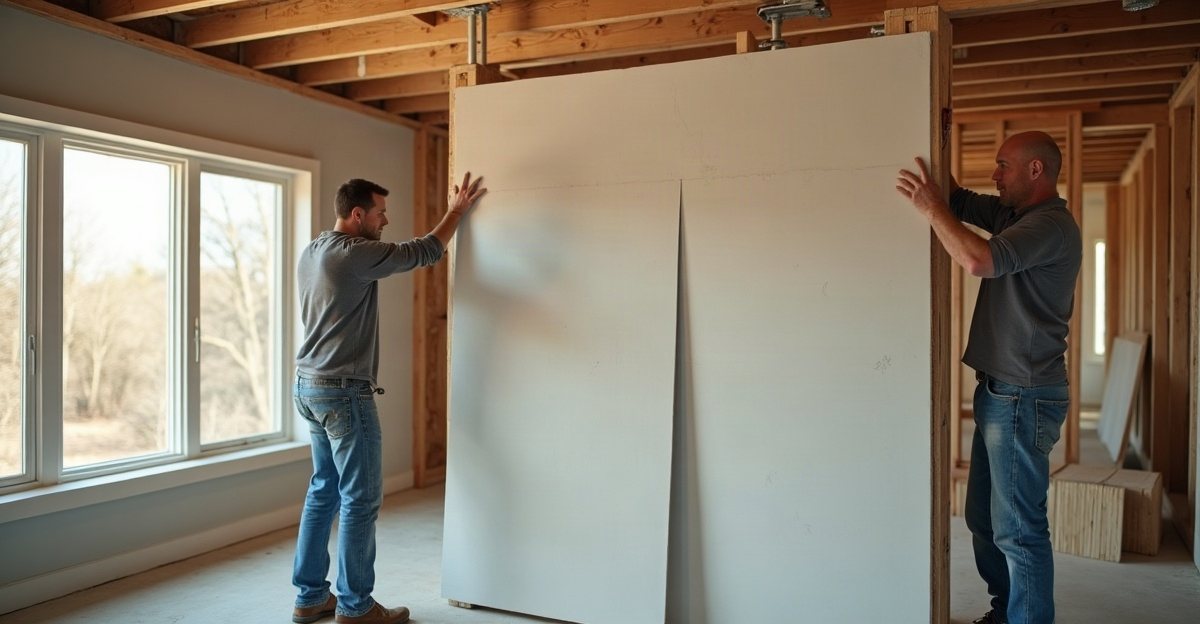
Minor surface damage doesn’t always mean we need to replace an entire wall or ceiling. Small dents, nail pops, isolated cracks, and small holes are often patchable when the surrounding drywall is dry, firm, and stable. A qualified drywall installation contractor can determine whether a targeted repair will hold or whether damaged sections need removal.
Replacement becomes more likely when gypsum feels soft, spongy, swollen, or crumbly. Bubbling, peeling, or blistering paint can also point to moisture below the surface. Persistent stains, mold growth, musty odors, warped panels, bowed walls, sagging ceilings, large holes, and repeated patch failures deserve closer attention.
Discoloration alone doesn’t prove drywall must be replaced. A contractor can inspect whether the material is dry, firm, free of ongoing moisture, and structurally intact. Limited staining from a fully resolved issue may remain repairable.
Painting over mold or water damage isn’t a solution if moisture, damaged material, or contamination remains. We need to address the cause first, then assess what can remain and what should be removed.
When Drywall Cracks Are Cosmetic—and When They Need Evaluation
Small, stable hairline cracks often result from normal settling, minor seasonal movement, or joint-compound failure. These cracks commonly respond well to proper preparation, reinforcing tape where needed, compound, sanding, and paint.
Heat-related building movement can contribute to minor cracking in Arizona homes. Still, drywall cracks alone don’t confirm structural failure. We avoid making structural judgments from a single visible crack.
Wider, diagonal, growing, recurring, or multiple cracks warrant further evaluation. We also recommend prompt review when cracks appear with sticking doors or windows, uneven floors, visible water damage, ceiling movement, or sagging. Cracks that return after a proper repair may indicate continued movement, moisture exposure, or an installation issue.
A qualified contractor can assess drywall conditions, while the appropriate specialist should investigate suspected structural movement or active leaks. Our drywall project guide explains why identifying site conditions before finishing work helps prevent avoidable repeat repairs.
Ceiling Drywall Requires Closer Attention
Ceiling drywall can last as long as wall drywall when it remains dry, securely installed, and undisturbed. The practical answer to “how long does drywall last lifespan ceiling” is that ceiling material has no separate fixed lifespan, but it faces different stresses.
Roof leaks, plumbing leaks from above, HVAC condensate problems, evaporative cooler leaks, gravity, and attachment failure can all affect ceilings. Sagging or bowing, detached seams, recurring nail pops, water stains below rooflines or plumbing, and wet or visibly loose drywall all require attention.
Severely sagging, wet, or visibly loose ceiling material can present a safety concern and merits prompt professional attention. We shouldn’t assume a stained or sagging ceiling is cosmetic, especially before identifying the cause.
Water, Mold, and Arizona Moisture Risks: Fix the Cause First
The correct sequence is clear: identify and fix the source of water or moisture, dry and assess affected materials, then repair or replace drywall as needed. Replacing damaged drywall before resolving the source can lead to repeat damage.
Arizona’s generally dry climate can reduce long-term ambient humidity exposure, but it doesn’t eliminate water-damage risks. Monsoon-driven roof or window leaks, roof flashing failures, plumbing leaks, HVAC condensate line problems, evaporative cooler leaks, drainage-related intrusion, and localized condensation can all damage interior finishes.
Condensation may occur within poorly insulated or air-leaky wall and ceiling assemblies. In those cases, drywall damage may signal a broader issue rather than a simple finish problem. Property owners who notice repeated staining, cold or hot surfaces, or condensation should review signs of poor insulation alongside the visible drywall condition.
Extensive mold growth, recurring moisture, sewage-contaminated water, major leaks, electrical concerns, or large affected areas require qualified assessment. We don’t recommend casual cleanup or paint as a substitute for finding the cause and addressing contaminated materials properly.
How Insulation, Air Sealing, and Installation Affect Drywall Life
Drywall lifespan is influenced by installation quality, building movement, moisture exposure, humidity, impact damage, pest activity, maintenance history, and the quality of prior repairs. Drywall is an interior finish material, not insulation.
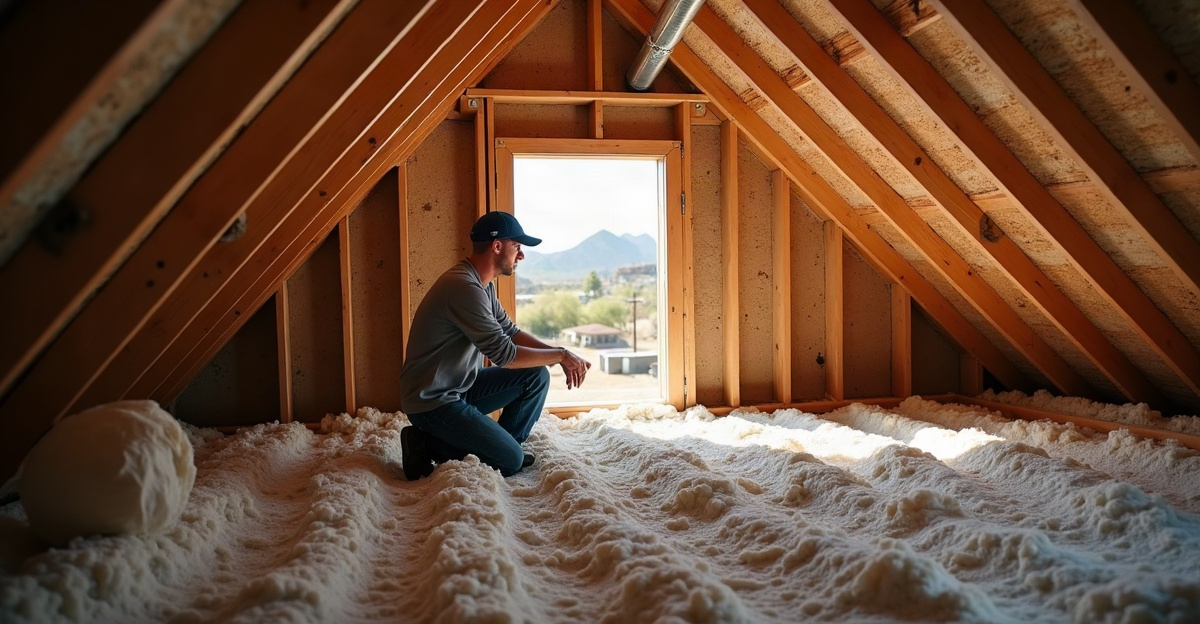
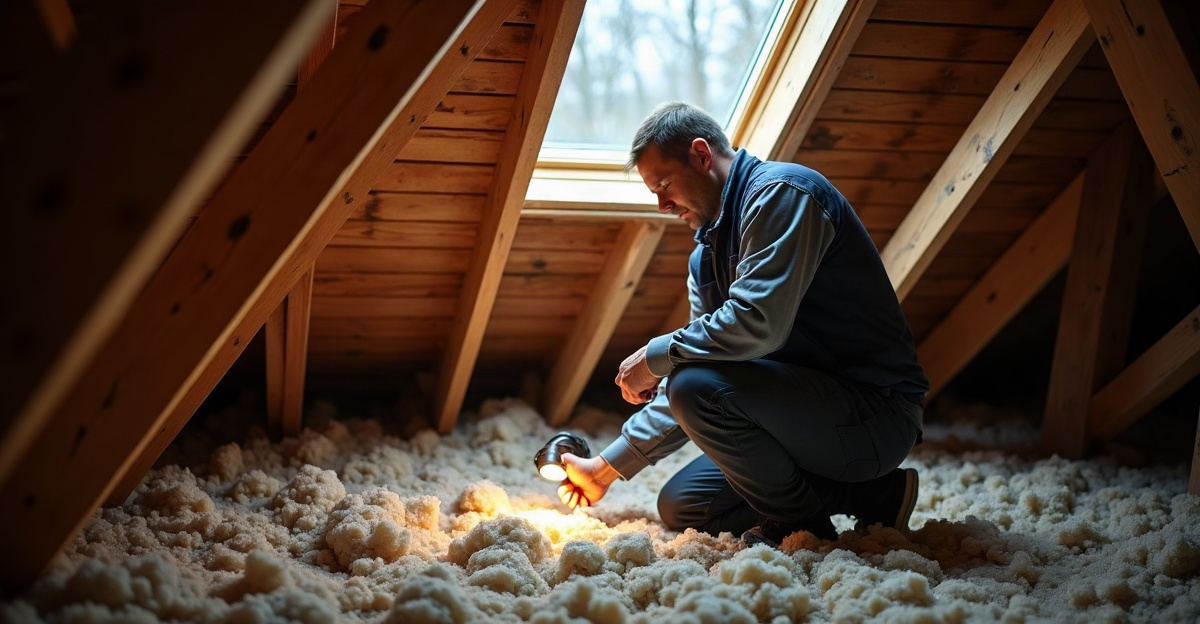
Insulation and air sealing can affect surface temperatures, condensation potential, drafts, and indoor comfort. Missing insulation or air leaks don’t automatically cause drywall damage, but they can contribute to conditions worth evaluating in some homes. Older batt materials may also leave uneven coverage or gaps; we cover common warning signs in our guide to old batt insulation problems.
New drywall alone won’t meaningfully improve energy efficiency. Lasting improvement may require attention to insulation gaps, air leaks, duct issues, moisture sources, or ventilation concerns while the wall or ceiling cavity is open.
Hot rooms, uneven temperatures, condensation, high energy bills, and recurring stains can justify a broader building assessment. Arizona property owners opening walls or ceilings due to damage, comfort concerns, or renovation work should consider residential insulation services before closing the area again. We can help evaluate insulation gaps, air leakage, and comfort concerns so the repair supports long-term performance.
When to Call a Professional and Common Questions
We recommend calling the professional best suited to the likely cause. A roofer should investigate roof intrusion, a plumber should locate plumbing leaks, and an HVAC professional should address condensate or equipment issues. Extensive mold contamination may require a mold assessor, while damaged drywall or signs of movement call for a qualified contractor.
Visible drywall symptoms can point to moisture, insulation, air-sealing, structural, or indoor-comfort concerns. Symptoms alone don’t confirm the underlying cause.
How Long Does Drywall Last?
Drywall often lasts for decades and may last as long as the home when it remains dry, properly installed, and protected from damage.
Does Ceiling Drywall Wear Out Faster Than Wall Drywall?
Not necessarily. Ceilings are simply more vulnerable to leaks from above, sagging, and attachment issues.
Can Water-Damaged Drywall Be Repaired?
Limited, fully resolved staining may be repairable if the drywall remains dry, firm, and undamaged. Soft, swollen, crumbling, mold-affected, or repeatedly stained areas usually need further assessment and may require replacement.
Should We Replace Drywall With a Water Stain?
We should first identify and correct the water source. Replacement depends on whether the drywall is wet, weakened, contaminated, or repeatedly damaged.
Are Drywall Cracks Normal in Arizona Homes?
Small stable hairline cracks can be cosmetic. Wider, growing, diagonal, recurring, or multiple cracks should be evaluated, particularly when other warning signs are present.
Does Replacing Drywall Improve Insulation or Energy Efficiency?
Not by itself. Meaningful improvements generally require insulation, air sealing, duct, moisture-control, or ventilation work while the cavity is accessible. For older homes, our overview of retrofit insulation explains why opening a wall can create a valuable opportunity to correct hidden gaps.
Can Moldy Drywall Be Saved?
We shouldn’t assume mold can be painted over or casually cleaned. Extensive mold growth, recurring moisture, or contaminated materials should be assessed by a qualified professional.