Batt Insulation for Attics: Is It a Good Choice?
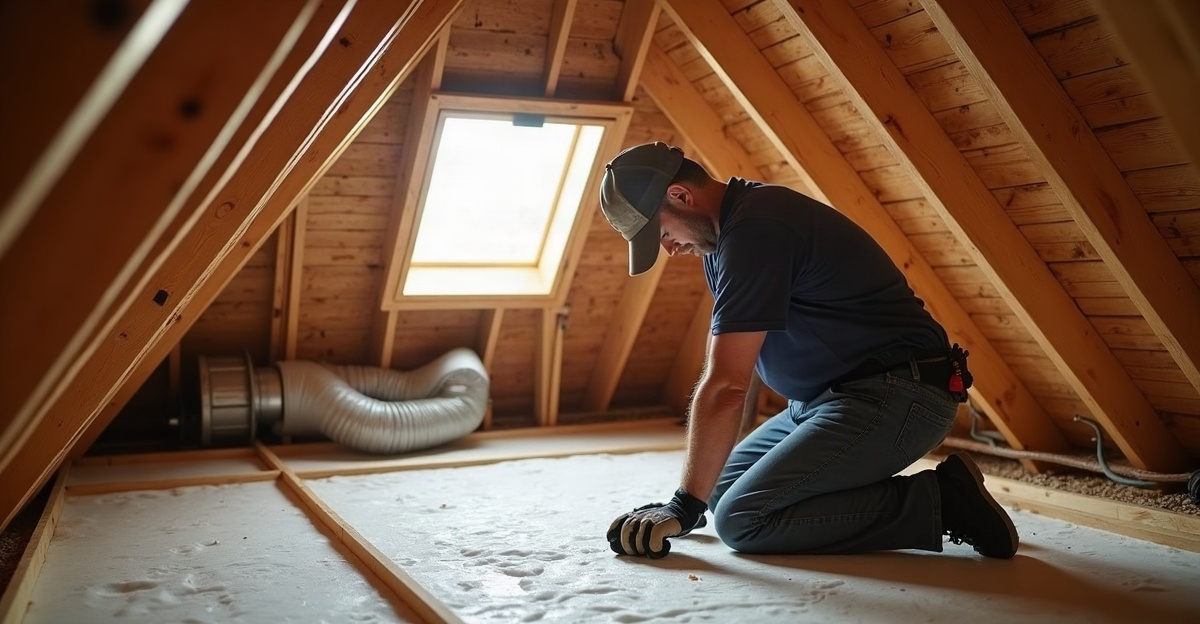
We recommend batt insulation for Arizona attics with open access, regular framing, and enough space for continuous coverage without compression. Its performance relies on air sealing, the right R-value, duct condition, and accurate installation. Attics with irregular framing or obstructions may benefit more from blown-in insulation or another option.
Key Takeaways
- Batts perform best in accessible attics with regular joist spacing and few obstructions.
- We recommend checking air leaks before adding insulation, since batts don’t reliably block airflow.
- Gaps, compression, moisture, and poor fitting reduce effective R-value and energy performance.
- Fiberglass and mineral-wool batts both deliver strong results when we match them to the attic assembly and install them correctly.
- We inspect for roof leaks, pests, damaged wiring, duct concerns, and ventilation needs before we add or replace insulation.
When Batt Insulation Is a Good Choice for an Arizona Attic
Batt insulation can be a good attic choice when we have an open, accessible space, can install continuous coverage without gaps or compression, and seal air leaks first. It is not automatically the best fit for every attic.
The right approach depends on the attic layout, existing insulation, air leakage, target R-value, installation quality, duct condition, ventilation, roof assembly design, budget, and project goals. For Arizona homes, long cooling seasons and extreme summer heat raise the importance of full insulation coverage, effective air sealing, and properly insulated attic ductwork.
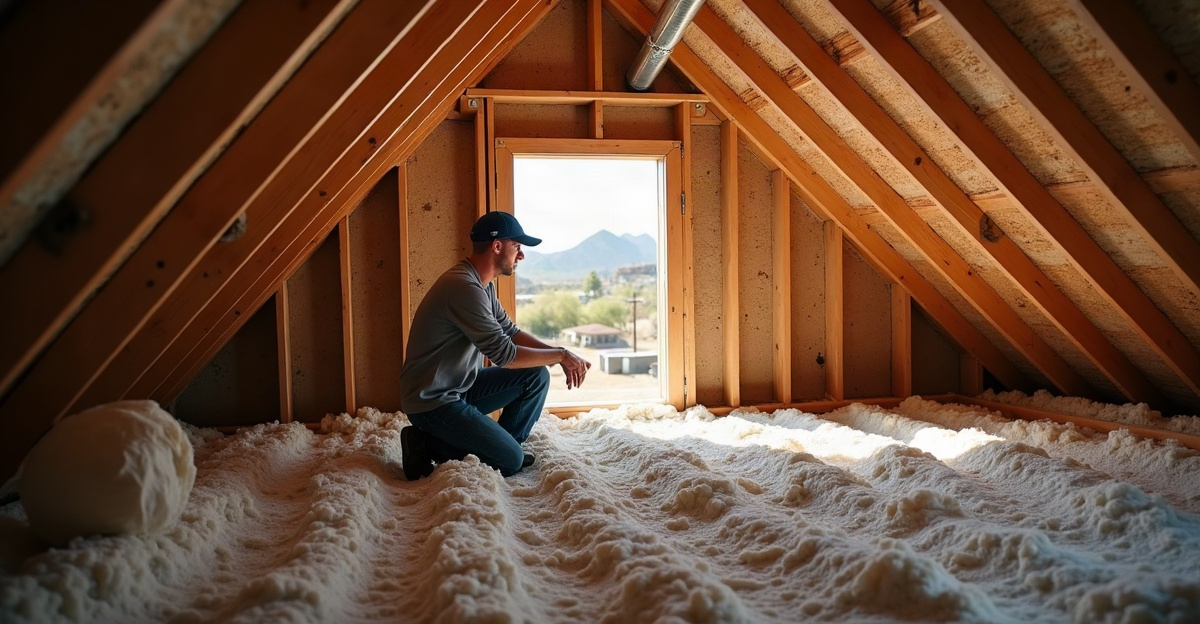
Batt insulation for attic spaces works best where framing is regular and access is straightforward. In those conditions, batts can provide a practical, cost-conscious solution with predictable material thickness and placement. Our batt insulation services focus on correct sizing, fit, and coverage rather than simply adding material.
Insulation improvements can support better comfort and efficiency, but results vary. Existing insulation levels, air leaks, duct performance, HVAC equipment, home design, thermostat settings, solar exposure, and weather all affect indoor temperatures and energy use. We do not promise a fixed utility-bill reduction because each home performs differently.
Where Batt Insulation Works Best—and Where It Falls Short
Batts are often a practical material when we can use the correct depth and width without forcing, folding, or compressing them. They work especially well in new construction and major remodels, where open framing allows accurate placement before finishes close the cavities.
The best batt insulation for attic projects usually suits open attics with regular joist spacing, limited obstructions, and enough access for continuous installation. Batts also fit projects that need a cost-conscious material with straightforward placement. In select areas, they can complement a wider insulation and air-sealing plan.
A batt insulation for attic retrofit may be less effective in low-clearance spaces, irregular attics, or areas crowded with wiring, ducts, framing, and uneven surfaces. Batts can leave voids around obstacles if installers cannot cut and fit them correctly. Adding batts over uneven existing insulation can also create inconsistent coverage.
Blown-in insulation is often easier to distribute across irregular attic floors and around obstacles. It can be a strong option for topping off existing attic insulation when the conditions are suitable. Our comparison of batt and blow-in insulation explains where each material has an advantage.
Spray foam may suit specific air-sealing and roof-assembly applications, but it requires careful planning. We evaluate attic configuration, ventilation strategy, roof design, local requirements, and the intended use of the attic before recommending any insulation method.
Air Sealing, R-Value, and Installation Quality Determine Real-World Performance
R-value measures a material’s resistance to conductive heat flow. A batt can have a high nominal R-value, yet deliver less benefit if it is compressed, wet, poorly fitted, missing around obstructions, or installed over active air leaks.
Air sealing closes unintended openings where conditioned air escapes and hot attic air enters. Fiberglass and mineral-wool batts resist conductive heat flow, but they do not reliably stop air leakage. We generally evaluate air sealing before installing or adding insulation.
Common attic leaks occur at top plates, plumbing penetrations, electrical penetrations, duct chases, soffits, attic hatches, recessed fixtures, and other openings. Sealing these areas helps the insulation perform as intended.
Thermal bridging also matters. Framing and other conductive building materials can carry heat around insulation, which is why continuous coverage at attic-floor boundaries is important where applicable.
For lasting performance, we use the correct batt width for each framing cavity, keep batts fully lofted, and cut around obstructions without leaving voids. Batts should not pull away from framing, thin out at edges, or remain missing near penetrations. Storage flooring and ducts should not compress insulation.
There is no universal answer for what batt insulation for attic spaces needs in every Arizona home. We confirm current local code requirements and applicable climate-zone guidance with the local jurisdiction, project plans, and an insulation professional before setting a target R-value. Our guide to batt insulation thickness can help explain how thickness and R-value relate.
Fiberglass vs. Mineral-Wool Batts: Choosing the Right Batt Material
Fiberglass batt insulation is widely available and often offers a cost-conscious choice. It comes in multiple widths, thicknesses, facings, and R-values. When we size it correctly, keep it fully lofted, and fit it closely around framing and obstructions, it can perform well.
Mineral-wool batts are typically denser and may fit securely in some framing cavities. Many projects select them for fire resistance, sound control, and moisture behavior. Availability and cost can vary by product and market, so material selection should reflect the project rather than a blanket preference.
Is fiberglass or mineral wool better for attic insulation? Neither is categorically better. Fiberglass may offer easier availability and lower material cost. Mineral-wool batts may better suit projects where density, fire resistance, or sound control carry added weight. Both require accurate fitting and neither replaces air sealing.
We compare density, fit, fire resistance, sound control, moisture behavior, availability, cost, installation access, and the home’s goals before selecting a batt product. The best batt insulation for attic work is the material that fits the assembly and can be installed correctly.
Batt Insulation vs. Blown-In Insulation vs. Spray Foam for Arizona Attics
Each material has a place in Arizona attic insulation work. The right choice depends on access, attic-floor condition, ducts, air leakage, roof design, and the required scope of work.
| Factor | Batt Insulation | Blown-In Insulation | Spray Foam |
|---|---|---|---|
| Best use cases | Open, accessible attics with regular framing | Attic floors with obstacles, uneven surfaces, or topping-off needs | Specific roof assemblies and air-sealing needs |
| Irregular spaces | Less effective around dense obstructions | Distributes well around many obstacles | Adapts to many configurations when properly designed |
| Air-sealing capability | Does not reliably air seal | Does not replace major air sealing | Can air seal when properly installed |
| Installed-performance sensitivity | High; gaps and compression reduce performance | Depth and coverage consistency matter | Design, application, and installer skill matter |
| Cost range | Often cost-conscious | Varies by material and depth | Generally higher cost |
| Retrofit suitability | Best for simple, accessible spaces | Often well suited for attic-floor retrofits | Appropriate for selected assemblies, not every attic |
| Arizona considerations | Protect attic ducts and prevent gaps | Supports even attic-floor coverage around obstacles | Requires attention to roof design, ventilation, code, and qualified installation |
Is blown-in insulation better than batts for an attic? Blown-in insulation can be more practical for many complicated attic floors because it fills around obstacles and delivers more uniform coverage. That does not make it the right answer for every attic. Open framing and simple layouts can make batts a sound choice.
Spray foam attic insulation can provide air sealing as part of a properly planned roof assembly. It also carries application-specific considerations, including ventilation strategy, local code requirements, roof details, and installer qualifications. We use blown-in insulation or spray foam insulation where the attic conditions support those methods.
What to Check Before Adding or Replacing Attic Insulation
We do not install insulation over unresolved roof leaks, mold, pest debris, water damage, or contamination. Those conditions require correction first. Insulation also must not block required ventilation pathways or substitute for proper roof repairs and moisture control. Ventilation solutions depend on the attic design and local code requirements.
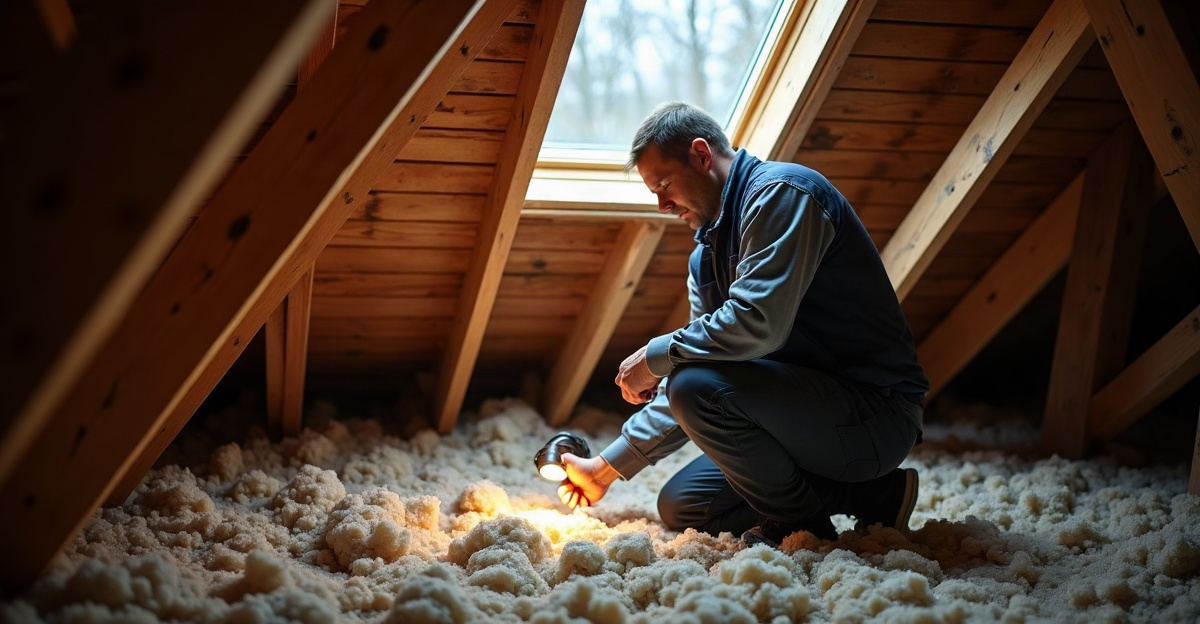
Current batt insulation may not be performing well if coverage is thin or uneven, gaps are visible, batts are compressed or pulled away from framing, or insulation is missing near edges and obstructions. Dirty insulation can indicate air movement. Water damage, pest activity, continued hot or cold rooms, high cooling costs, and uneven temperatures also warrant an evaluation. Review these old batt insulation problems before covering existing material.
Before Adding Insulation: Key Checks and Common Questions
We recommend checking the following items before work begins:
- Roof leaks, moisture staining, mold, water-damaged insulation, pest contamination, or pest-damaged materials.
- Damaged wiring, electrical hazards, unsafe recessed lights, and recessed-light clearance questions.
- Combustion-safety concerns where combustion appliances are present.
- Missing attic-hatch weatherstripping and major air leaks at penetrations or chases.
- Leaky, uninsulated, disconnected, or poorly located attic ducts.
- Ventilation details, roof assembly concerns, and suspected asbestos-containing materials in older properties.
Can we put batt insulation over existing attic insulation? Sometimes, but only after confirming the existing material is dry, clean, undamaged, and suitable to remain. We also need to avoid compressing the material below or creating uneven coverage.
Should we air seal before adding attic insulation? In most cases, yes. Air sealing should be evaluated first because insulation alone does not stop major leaks.
How much attic insulation do Arizona homes need? The answer depends on verified local requirements, climate-zone guidance, the existing assembly, and the project plans. We avoid universal recommendations without inspecting the attic and confirming applicable requirements.
When should we call a professional before insulating an attic? We recommend professional help for electrical hazards, recessed-light questions, complex ducts, roof leaks, mold, pest contamination, combustion appliances, damaged insulation, or suspected asbestos-containing materials.
For high cooling costs, uneven indoor temperatures, damaged insulation, or attic duct concerns, schedule an attic insulation assessment with Tightseal. We will identify the conditions affecting performance and recommend a practical insulation and air-sealing approach.