Batt vs Roll Insulation: Which Is Better for Your Home?

Batt vs roll insulation comes down to fit and installation, not raw material performance. Both options deliver similar R-values when we install them correctly. Layout, framing details, attic design, and jobsite conditions drive performance more than format. We focus on proper air sealing and clean installation to secure comfort, efficiency, and long-term results.
Key Takeaways
- Batt and roll insulation typically provide comparable R-value; installation quality drives real-world performance more than format.
- Batt insulation works best in standard wall cavities, floors, and detailed framing areas that require precise fitting and clean cuts.
- Roll insulation installs faster in large, open attic spaces with minimal obstructions and long, continuous runs.
- Gaps, compression, and poor air sealing reduce performance more than the choice between batt and roll.
- Climate conditions, attic ventilation, and overall home layout should guide the final decision, not material type alone.
Batt vs Roll Insulation at a Glance: What Matters Most for Performance and Cost
Batt vs roll insulation is often presented as a major performance decision, but in most homes, installation quality drives the real results. Both options are typically made from fiberglass or mineral wool and can deliver similar R-value when properly installed.
Here’s a practical side-by-side comparison focused on real-world comfort, energy efficiency, and long-term performance:
| Category | Batt Insulation | Roll Insulation |
|---|---|---|
| Format & Handling | Pre-cut panels sized for standard stud bays (16″ or 24″ on center) | Long continuous rolls cut to length on-site |
| Best Applications | Wall cavities, floors, smaller attic sections, detailed framing | Large open attic floors with minimal obstructions |
| Installation Difficulty | Requires trimming around wiring, plumbing, boxes | Easier in open runs; harder in tight cavities or retrofits |
| Cost Considerations | Material cost similar per sq. ft.; labor varies by layout | Material cost similar per sq. ft.; can reduce labor in open attics |
| Performance (Properly Installed) | Comparable R-value; affected by gaps or compression | Comparable R-value; fewer seams in long spans |
Overstating the differences between roll vs batt insulation can be misleading. The material format matters less than proper fit, full cavity fill, and solid air sealing. Gaps, compression, and air leakage reduce performance far more than whether insulation comes in panels or rolls.
What Is Batt Insulation and Where It Works Best
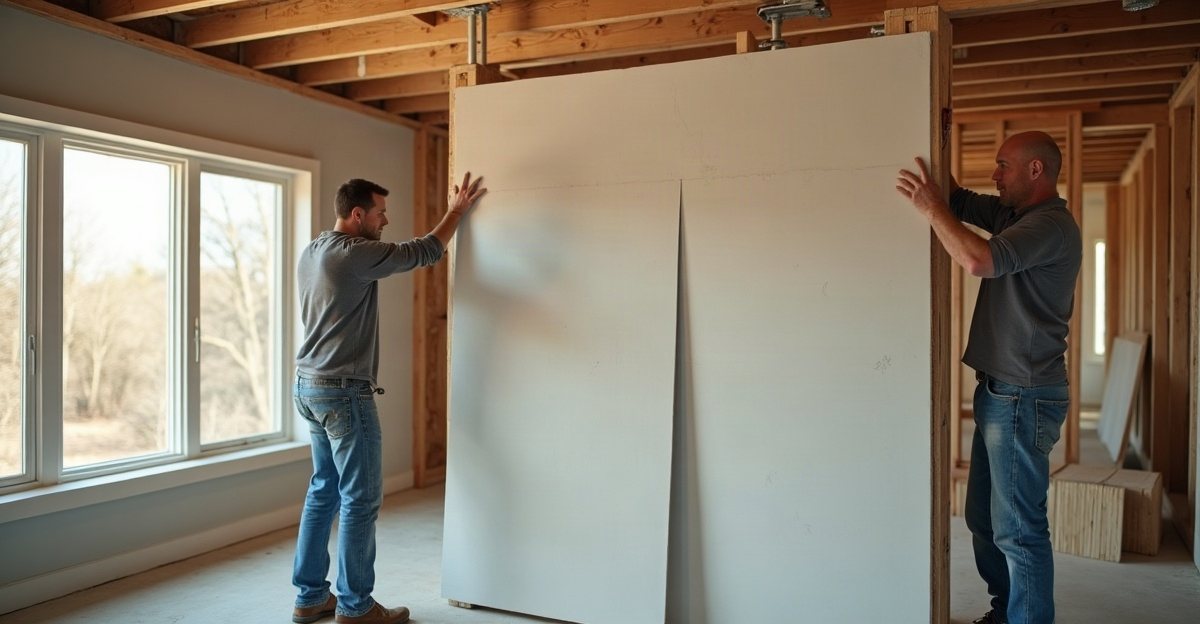
Batt insulation consists of pre-cut panels designed to fit between wall studs, floor joists, and ceiling framing members. Standard widths match common framing layouts, usually 16-inch or 24-inch on-center spacing.
Most batt insulation is fiberglass, though mineral wool options are also available. The format works well in new construction and major renovations where framing cavities are consistent and accessible.
Batt insulation excels in:
- Wall cavities
- Floors between levels
- Smaller attic sections
- Areas with varied framing details
Pre-cut panels are easier to carry and position in vertical or tight spaces. However, installers must carefully split and trim around wiring, plumbing, and electrical boxes. If insulation is compressed behind obstacles or installed with gaps at the edges, its effective R-value drops.
We often see performance issues tied to poor installation rather than the product itself. In many cases, homeowners comparing batt insulation vs roll are really deciding based on framing layout and access, not energy performance.
For homes where existing insulation is aging or underperforming, we also encounter common problems with old batt insulation such as settling, gaps, and reduced loft. Correcting those issues typically matters more than switching formats.
Professional installation can help ensure consistent coverage, especially in walls and detailed framing. Our batt insulation services focus on proper fit, clean edges, and attention to air pathways that often get overlooked.
What Is Roll Insulation and When It Makes More Sense
Roll insulation comes in long, continuous sections that installers cut to length on-site. Like batts, rolls are usually fiberglass and offered in multiple widths and R-values.
Roll insulation makes sense in:
- Large attic floors with long, open spans
- New construction with minimal obstructions
- Projects where long uninterrupted runs reduce seams
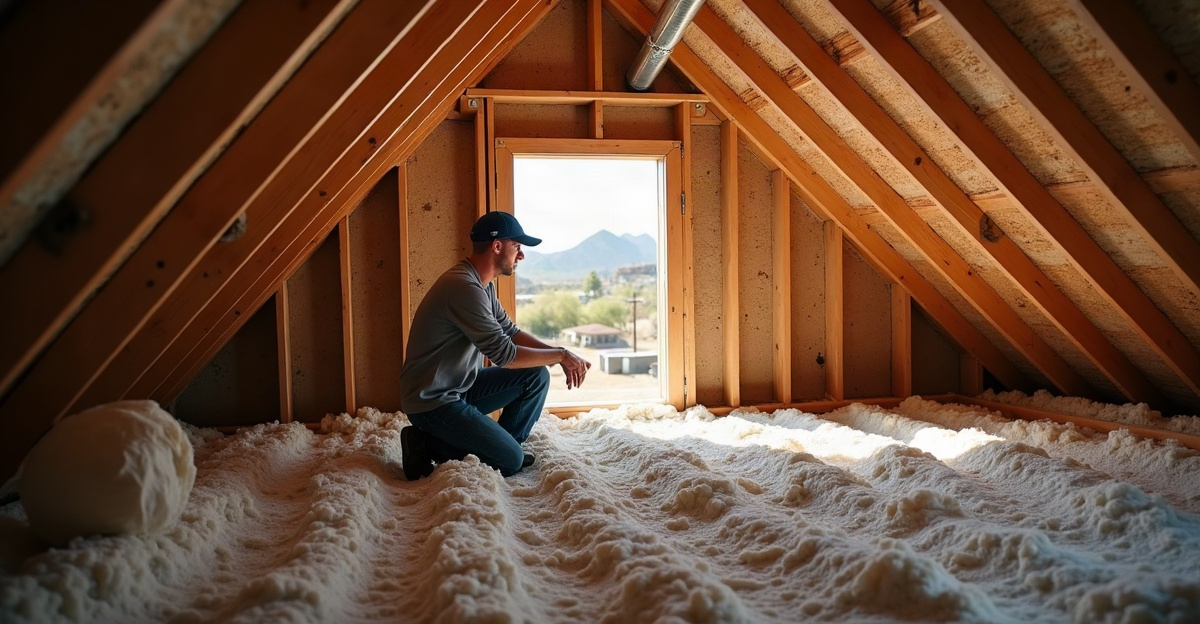
In open attic spaces, installers can unroll large sections quickly. Fewer seams may reduce potential gaps along long joist runs. That efficiency can slightly reduce labor time in ideal conditions.
Challenges appear in tight framing, wall cavities, or retrofit work. Managing a long roll inside enclosed stud bays can slow progress. Cutting around wiring and plumbing still requires care, just as with batts.
The difference in roll vs batt insulation usually comes down to handling and layout efficiency. R-value performance remains comparable when the insulation is properly installed and not compressed. The decision often depends on whether the space favors pre-cut panels or continuous runs.
In some attics, loose-fill products may also be considered. Those scenarios differ from batt and roll systems. For a deeper comparison, see our breakdown of batt insulation vs blow-in insulation to understand how installation method changes coverage and air control.
Installation, Cost, and the Factors That Influence Real Performance
Material choice is only one part of the equation. Installation method and jobsite conditions often determine long-term results.
Key installation factors include:
- Cutting cleanly around wiring and plumbing
- Avoiding compression that lowers R-value
- Filling cavities completely without voids
- Maintaining safe working conditions in hot attics
Arizona attics can reach extreme temperatures. Rushed installations in those conditions often lead to gaps or compressed insulation.
Material costs for batt insulation vs roll are usually comparable per square foot. Labor costs vary based on accessibility, home size, framing complexity, and whether the project is new construction or retrofit. Some attic upgrades require removal of old insulation before new material is installed, which adds time and cost.
R-value measures resistance to heat flow. Higher R-value means slower heat transfer. However, air leakage can reduce the real-world effectiveness of any fiberglass system. Warm air moving through gaps carries heat regardless of labeled R-value.
That’s why discussions around spray foam vs fiberglass often focus on air sealing. Spray foam expands and helps block air movement within cavities. Fiberglass batts and rolls resist conductive heat flow but do not stop air unless combined with proper air sealing measures.
In many cases, improving air sealing and maintaining proper ventilation provide bigger performance gains than switching from one fiberglass format to another.
Performance in Arizona’s Climate: Heat Control, Attics, and Air Sealing
Arizona homes face intense summer heat, strong radiant gain through roof surfaces, and high cooling loads. Many homes also have ductwork running through unconditioned attic spaces, which increases energy loss.
Attic insulation depth and even coverage directly affect indoor comfort. Rooms below under-insulated sections often feel hotter in summer and harder to cool. Uneven coverage can also drive higher energy bills.
In hot, dry climates, controlling attic heat transfer is critical. Both batt and roll insulation can perform well in Arizona when installed with:
- Continuous coverage across the attic floor
- No compression at eaves or around framing
- Proper ventilation to manage heat buildup
Air sealing attic penetrations—around light fixtures, duct boots, and top plates—plays a major role in comfort. Fiberglass insulation alone does not stop air movement.
For projects with irregular cavities, roof deck applications, or conversions from vented to conditioned attics, spray foam may offer advantages due to its air-sealing properties. Still, fiberglass systems remain effective and cost-efficient in many standard attic applications.
Climate-specific guidance matters. Our overview of the best insulation for Arizona homes outlines how heat, ventilation, and attic design factor into insulation decisions.
How to Choose the Right Option for Your Project
Material format should align with the structure, access, and long-term goals of the home.
Use this checklist during planning:
- Is this new construction or a retrofit?
- Are framing cavities standard and unobstructed?
- Is the attic open and easy to access?
- Is air sealing a top priority?
- What is the realistic budget after considering labor and removal?
Batt insulation vs roll makes sense based on layout:
- Choose batt for defined wall cavities and detailed framing areas.
- Choose roll for large, open attic floors with minimal obstructions.
Spray foam may fit better in irregular spaces, areas prone to air leakage, or when converting a vented attic into a conditioned space.
Avoid common mistakes:
- Compressing insulation behind wiring or ducts
- Leaving gaps along edges or corners
- Blocking ventilation at eaves
- Assuming material type alone will resolve high energy bills
Homes that show uneven temperatures, high cooling costs, or drafty rooms may have deeper issues. Our guide on signs of poor insulation can help identify warning signals.
For a clear recommendation, a professional assessment is worth the time. We review framing layout, attic conditions, ventilation, and climate demands before suggesting upgrades. Our team at residential insulation services focuses on practical improvements that deliver lasting performance.
Every home is different. The right decision balances format, installation quality, and air sealing to achieve consistent comfort and efficient cooling over the long term.