How Blow-In Insulation Improves Attic Efficiency?
Blow-in attic insulation delivers clear benefits in Arizona’s extreme heat, where attic temperatures often exceed 130°F and push constant heat into living areas. We create a dense, continuous thermal barrier that increases R-value and seals gaps older batt insulation leaves behind. This added coverage slows heat transfer and boosts overall attic performance. As a result, we help homes stay cooler and HVAC systems work more efficiently during long cooling seasons.
Key Takeaways
- Blow-in insulation forms a continuous layer that resists heat transfer from superheated attics into conditioned spaces.
- Higher attic R-values reduce HVAC runtime and stabilize indoor temperatures during extended periods of extreme heat.
- Loose-fill insulation fills gaps, cracks, and irregular cavities, delivering better coverage than aging or poorly installed batt insulation.
- Attic performance improves most when we pair insulation upgrades with proper air sealing to prevent conditioned air loss.
- A professional evaluation confirms proper insulation depth, ensures even distribution, and identifies hidden performance gaps.
Why Attic Efficiency Matters in Arizona’s Extreme Heat
Arizona summers put constant pressure on homes and light commercial buildings. Long cooling seasons and extreme temperatures drive attic heat levels far beyond the outdoor air temperature.
Attics often exceed 130°F during peak summer afternoons. That heat radiates downward and increases conductive heat gain into the living space below. As a result, HVAC systems run longer, cooling costs climb, and indoor temperatures fluctuate from room to room.
Poor attic energy efficiency shows up in practical ways:
- High cooling bills during summer months
- Overheated attics and hot ceilings
- Uneven temperatures between rooms
- HVAC systems that run continuously
These are everyday concerns for property owners. This is where blow in attic insulation benefits become clear. The goal isn’t exaggerated savings claims. It’s about reducing heat transfer from a superheated attic into conditioned space and protecting long-term building performance.
Improving attic energy efficiency means slowing the movement of heat. In Arizona’s climate, that single improvement makes a measurable difference in comfort and system strain.
How Blow-In Insulation Improves Attic Energy Efficiency
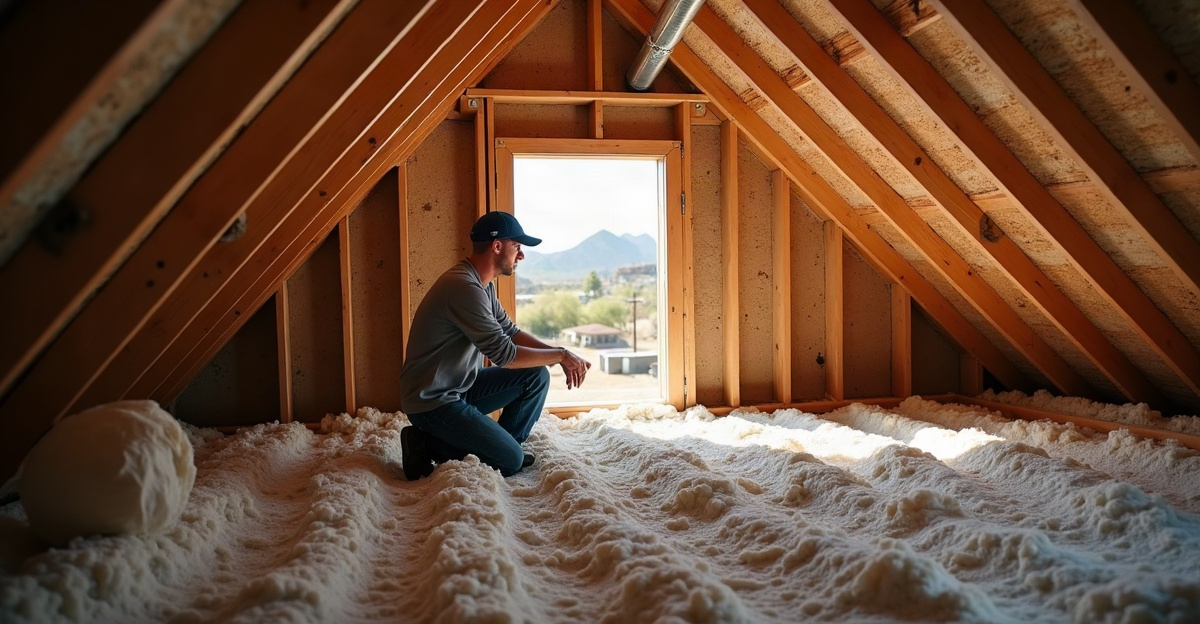
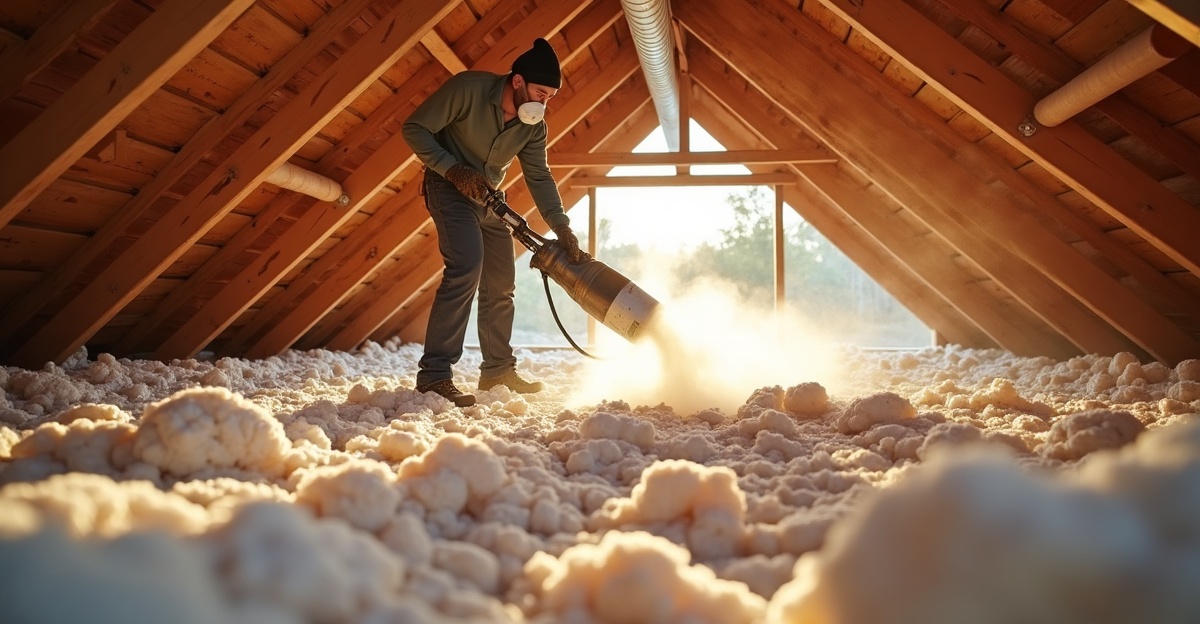
Blow-in insulation works by distributing loose-fill fiberglass or cellulose evenly across the attic floor. The material fills gaps, covers irregular surfaces, and creates a continuous thermal layer over the ceiling below.
That continuous layer slows conductive heat transfer. In simple terms, it resists the movement of heat from the hot attic into cooler interior living spaces.
We often explain R-value in plain language: it’s a measurement of resistance to heat flow. Higher R-values provide greater resistance to heat transfer. In hot climates, increasing the R-value in the attic helps control heat gain during long cooling seasons.
Older batt insulation can leave gaps, voids, and thin spots if it shifts or was never installed evenly. Blow-in insulation settles around framing and ceiling penetrations, reducing those inconsistencies. For properties with aging materials, reviewing common problems with old batt insulation often reveals why coverage matters.
It’s important to separate insulation from air sealing. Insulation slows heat transfer. Air sealing reduces uncontrolled air leakage through gaps, cracks, and penetrations. Attic energy efficiency improves most when both strategies work together.
For Arizona homes, especially those built under older energy codes, blow-in insulation provides insulation for hot climates that addresses sustained, high attic heat loads rather than occasional winter cold.
Why Blow-In Insulation Works Well for Hot Climates Like Arizona
Blow-in insulation is well suited for hot climates like Arizona. The primary goal in insulation for hot climates is slowing heat gain during extended cooling seasons.
Desert environments generate high attic heat loads for months at a time. Consistent, dense coverage across the attic floor helps manage that heat before it transfers into the living space.
Uniform distribution matters. Loose-fill insulation conforms around joists, wiring, and other obstructions, minimizing voids. That consistent layer helps stabilize indoor temperatures and reduces strain on cooling systems.
We often see these practical outcomes after an upgrade:
- More even temperatures from room to room
- Reduced HVAC runtime during peak heat
- Improved overall comfort
Performance depends on the full picture. Existing insulation levels, ductwork located in the attic, roof color, ventilation, and overall building condition all play a role. We don’t promise fixed percentage savings. We focus on identifying performance gaps and correcting them with the right solution.
Comparing Blow-In Insulation to Other Attic Insulation Solutions
No single product fits every situation. Each attic insulation solution has strengths depending on the structure and goals.
Blow-in insulation works well for retrofits and topping off existing insulation. It achieves consistent coverage in irregular attic spaces and improves R-value without major structural changes. Our blow-in insulation service is often the most practical upgrade for older Arizona homes.
Batt insulation can be cost-effective in open, unobstructed spaces. However, performance depends heavily on precise installation. Even small gaps reduce effectiveness. We break down the differences in detail in batt insulation vs blow-in insulation.
Spray foam insulation provides high R-value per inch and strong air sealing when properly applied. It’s commonly used when both insulation and air leakage control are required. For a deeper explanation, review what spray foam insulation is and how it works. In some cases, we recommend professional spray foam insulation services for targeted applications.
Insulation removal may be necessary before upgrading. We typically recommend removal when existing insulation is:
- Damaged by moisture
- Contaminated by pests
- Severely compacted
- Insufficient for current R-value recommendations
Some properties benefit from combined services, especially older structures. Understanding retrofit insulation for older homes helps clarify when targeted upgrades make sense.
A proper evaluation determines which approach delivers the best long-term performance.
Signs Your Attic May Need an Insulation Upgrade
Several clear indicators suggest that attic insulation no longer performs as intended.
Visible joists above the insulation level usually mean the R-value is too low for Arizona’s climate. Thin spots or uneven coverage also reduce attic energy efficiency.
Compacted or settled material can no longer provide adequate thermal resistance. Aging insulation often loses effectiveness over time.
Operational warning signs matter just as much:
- Persistent hot or cold rooms
- High cooling bills during summer
- HVAC systems running longer than expected
Homes built under older codes may fall short of current recommended R-values. If multiple issues appear, reviewing signs your home needs retrofit insulation provides additional guidance.
In these scenarios, blow in attic insulation benefits directly address measurable performance gaps—insufficient depth, inconsistent coverage, and reduced heat resistance.
What to Expect from a Professional Evaluation and Installation
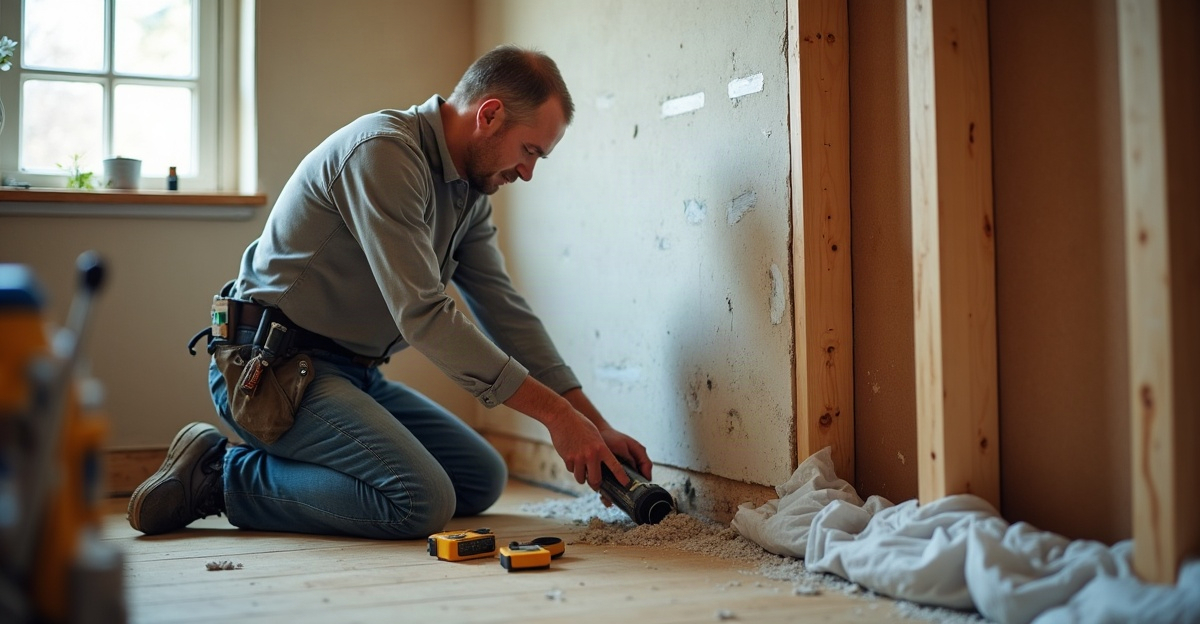
A professional attic evaluation begins with measuring existing insulation depth and estimating current R-value. We assess coverage consistency, identify low areas, and check for moisture or contamination.
Proper installation depth is essential to meet recommended R-values and local code requirements. Experienced crews ensure even distribution across the attic floor. Coverage should be uniform from edge to edge, without thin spots.
We also inspect duct placement, ceiling penetrations, and obvious air leakage paths. While insulation slows heat transfer, addressing air movement often improves overall performance.
Clear communication matters. We explain realistic outcomes based on current attic conditions. We don’t promise dramatic savings numbers. Instead, we focus on improved comfort, reduced heat gain, and long-term system performance.
Our approach to residential insulation services prioritizes reliability and quality workmanship over quick fixes. Every home is different, and insulation strategy should reflect that.
The next practical step is simple: schedule an attic inspection to understand current performance levels. Property owners can request a professional evaluation through our contact page and determine whether blow-in insulation is the right solution for improving attic efficiency.