How to Tell If Insulation Is Bad? Signs to Watch For
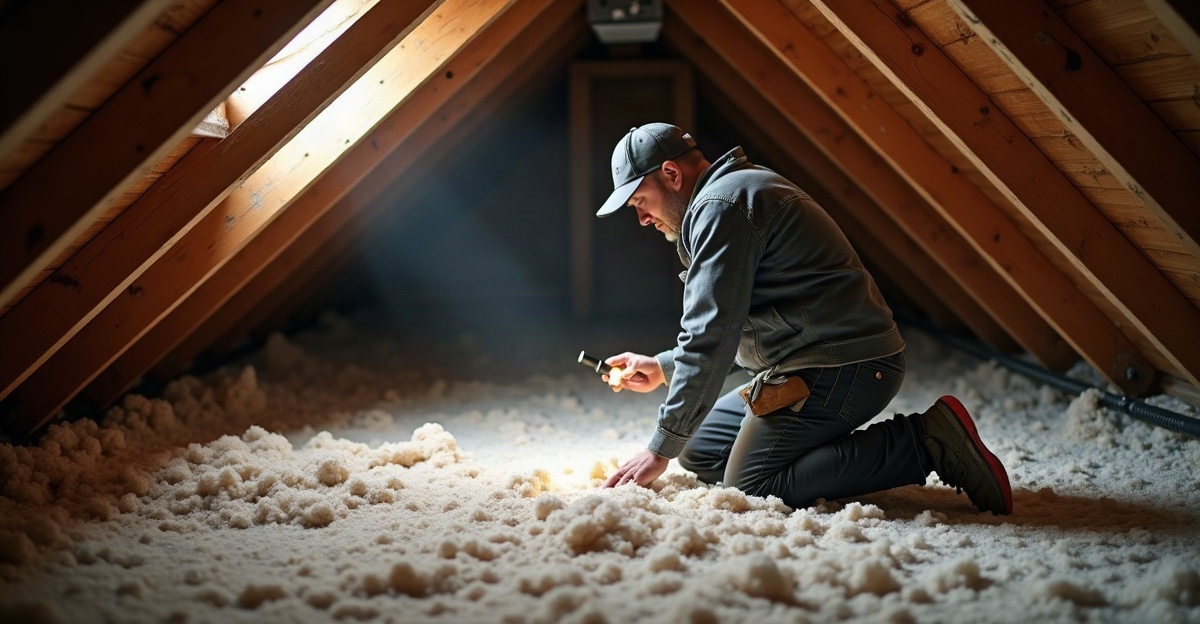
We can identify bad insulation by checking for thin, uneven, compressed, wet, contaminated, or missing material. Recurring hot rooms, drafts, and higher cooling costs can also signal a problem. Air leaks, duct faults, roof heat gain, and HVAC issues can cause similar symptoms. We recommend a complete evaluation before repair or replacement.
Key Takeaways
- Old insulation isn’t automatically bad if it stays dry, clean, continuous, properly installed, and sufficient for the space.
- Bare attic spots, settling, compression, water stains, pest activity, and displaced material often signal insulation problems.
- Insulation slows heat transfer, while air sealing stops unwanted airflow. Many homes need both upgrades.
- Wet, mold-affected, rodent-contaminated, smoke-damaged, or severely deteriorated insulation may need professional removal and replacement.
- Spray foam issues, such as pull-away, cracks, gaps, unusual odors, or a brittle texture, need a qualified inspection. We shouldn’t disturb questionable foam ourselves.
Quick Answer: Signs Insulation May Be Bad or Insufficient
Knowing how to tell if insulation is bad starts with separating age from condition. Insulation is not automatically bad because it is old. It may still work well if it remains dry, clean, continuous, properly installed, and adequate for the space.
Bad insulation signs include thin or uneven coverage, compression, settling, missing sections, moisture, contamination, damage, displacement, or poor installation. In some homes, the material itself may be mismatched with the building assembly. These insulation problems can allow more heat to move between the attic, walls, and living areas.
High energy bills, hot rooms, drafts, and uneven temperatures can point to inadequate insulation, but they are not insulation-only symptoms. HVAC sizing or condition, leaky ducts, roof heat gain, windows, ventilation, and uncontrolled air leakage may also contribute. Insulation slows heat transfer, while air sealing limits uncontrolled air movement. Many effective retrofit projects need both.
We recommend reviewing the common signs of poor insulation before deciding whether a repair or replacement is needed.
Visible and Performance Signs to Watch For
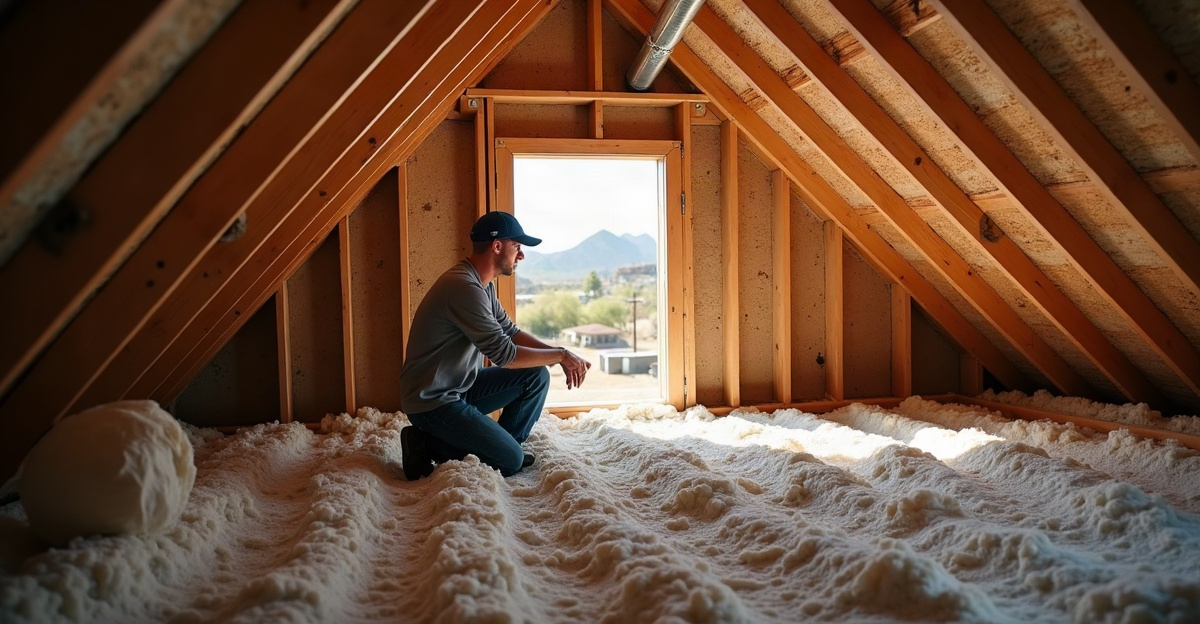
Attics often provide the clearest evidence of insulation trouble. Uneven, thin, or missing coverage can leave areas of the ceiling below exposed to intense attic heat. Bare spots commonly appear around attic edges, access openings, recessed fixtures, wiring penetrations, plumbing penetrations, and ductwork.
Compressed insulation is another concern. Flattened fiberglass batts can lose effective thermal performance because trapped air helps insulation resist heat flow. Foot traffic, storage, pest activity, and maintenance work can also displace insulation and create gaps.
Settled insulation deserves a closer look. Loose-fill material can settle over time, but settled insulation does not automatically mean it has failed. We assess its remaining depth, density, continuity, and effective R-value for the location and assembly. If it no longer provides consistent coverage, an insulation retrofit may be appropriate.
Moisture requires prompt attention. Water stains, damp insulation, roof leaks, condensation, and musty odors may indicate insulation moisture damage. Rodent droppings, nesting material, insect activity, mold-like growth, smoke damage, storm damage, or physical damage can also make existing material unsuitable to leave in place. Learn more about old batt insulation problems that can reduce coverage and performance.
Performance symptoms matter as well. Recurring hot or cold rooms, hot ceilings, drafts, and high cooling costs without major changes in utility rates or household use may signal an insulation issue. A visual check can identify warning signs, but it cannot confirm hidden air leaks, missing wall insulation, duct defects, or HVAC problems.
What We Can Safely Check—and What to Leave to a Professional
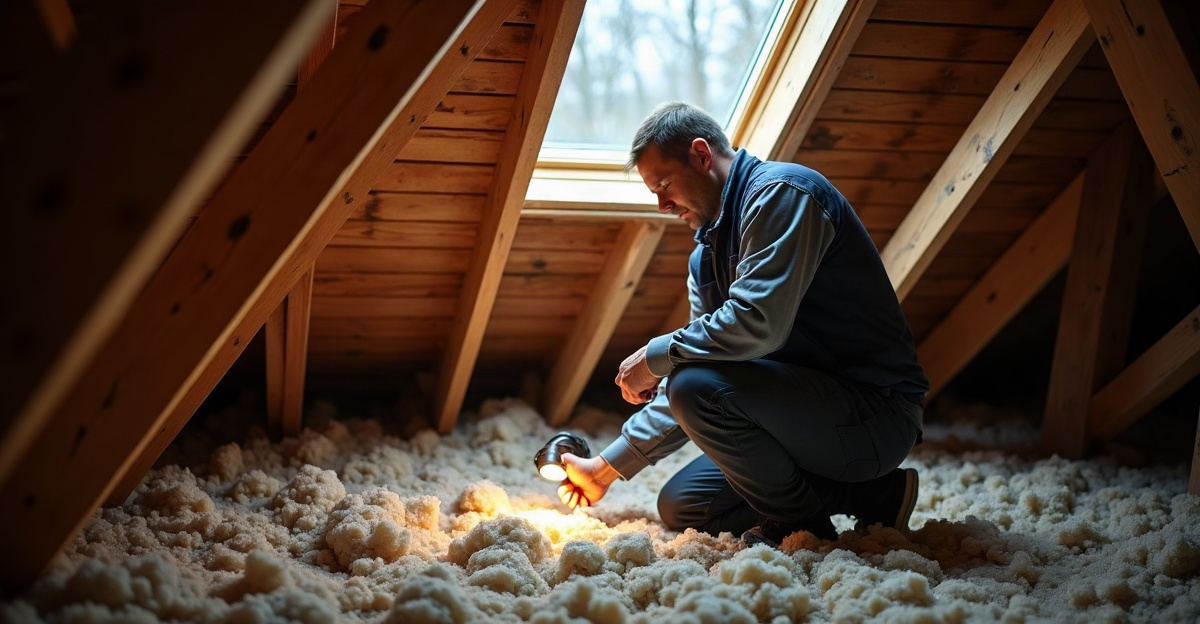
We can perform a basic attic insulation inspection from a stable, safe location. Look for coverage depth, continuity, bare areas, water staining, pest evidence, disturbed material, and visible damage. Pay close attention to attic access hatches, attic edges, visible top plates, penetrations, and areas around ductwork.
We should avoid entering unsafe attics or walking on unsupported ceiling surfaces. We should also avoid touching exposed wiring, cutting into walls, disturbing contaminated insulation, or removing suspect materials. Wet, mold-affected, rodent-contaminated, fire-damaged, and potentially hazardous insulation needs proper evaluation and handling.
A professional insulation inspection can identify conditions that are not visible from the attic opening. Inaccessible wall and ceiling cavities, concealed moisture, air leaks, duct leakage, and installation defects may require diagnostic testing. We follow applicable U.S. Department of Energy insulation and air-sealing guidance, ENERGY STAR guidance, local building-code requirements, and manufacturer installation instructions when evaluating the work.
For homes with comfort or energy concerns, our residential insulation services can help determine whether insulation, air sealing, ductwork, or another part of the home needs attention.
How to Tell If Spray Foam Insulation Is Bad
Fiberglass, cellulose, rigid foam, and spray foam can all perform well when correctly selected, installed, and protected from moisture and physical damage. To understand how to tell if spray foam insulation is bad, we look for changes in coverage, adhesion, texture, and nearby moisture conditions.
Visible spray foam insulation problems can include pull-away or shrinkage from framing, cracks, gaps, voids, thin areas, uneven coverage, or foam that no longer maintains continuous contact where it should. Spray foam pull-away can interrupt air sealing and thermal control, especially at framing transitions and roofline details.
Persistent unusual odors after the expected curing period, discoloration, brittleness, crumbling, irregular texture, roof leaks, and condensation near the foam also warrant professional review. Possible off-ratio foam concerns should never be diagnosed by appearance alone. Installation conditions and product chemistry can affect the result.
We should not cut into, sand, remove, or otherwise disturb suspect spray foam. A qualified assessment should consider spray foam installation defects alongside roof condition, ventilation approach, moisture management, and installation details. Where appropriate, we provide spray foam insulation services for new work and retrofit evaluations.
Why Insulation Problems Can Be More Noticeable in Arizona
Arizona attic insulation faces intense summer solar heat gain. A hot attic can increase the cooling load on the home, and inadequate coverage or air leaks can make ceiling surfaces and upper rooms feel noticeably warmer.
Attic ductwork can add to the problem. Ducts located in unconditioned attic spaces can gain heat or leak conditioned air before it reaches the living area. That may increase HVAC runtime and affect room-to-room comfort.
Common air-leak locations include attic penetrations, top plates, access hatches, recessed openings, ducts, and other gaps between conditioned and unconditioned spaces. Thermal bridging also allows heat to move through building materials that bypass insulation, particularly where coverage is incomplete or interrupted.
Monsoon roof leaks and flashing failures can wet insulation. Over time, moisture may reduce performance and lead to staining, mold-like growth, or contamination concerns. Effective insulation and air sealing may improve comfort, reduce heat transfer, support HVAC efficiency, and potentially lower energy use, depending on the property and scope of work. If symptoms continue, we evaluate roof conditions, windows, HVAC equipment, ventilation, ductwork, and air leaks alongside the insulation.
Arizona homeowners can also review these signs of new insulation needs before scheduling an assessment.
When Insulation Can Be Repaired, Topped Up, Removed, or Replaced
Insulation repair or replacement depends on the material, location, condition, and cause of the problem. Dry, clean, compatible insulation that remains structurally sound but lacks sufficient depth or continuity may be topped up. Limited compression, displacement, and gaps around accessible penetrations or hatches may be corrected with targeted repair and air sealing.
Removal and attic insulation replacement may be the better option for wet or mold-affected material, rodent or biological contamination, fire or smoke damage, recurring roof leaks, major coverage gaps, suspected spray foam defects, or insulation that cannot provide adequate coverage after settling or deterioration. We recommend a professional insulation assessment for hidden cavities, recurring comfort concerns, ductwork issues, and suspected installation defects.
Old insulation can still work properly if it remains dry, clean, properly installed, and sufficient for the assembly. Wet insulation does not always require replacement, but the material, degree of wetting, contamination risk, and corrected moisture source all matter. Settled insulation is not always a problem either; its remaining depth, density, continuity, and effective R-value determine whether it still performs adequately.
Bad insulation can contribute to high electric bills, but HVAC issues, duct leakage, roof heat gain, windows, ventilation, and air leaks may also be factors. We should not remove rodent-contaminated insulation ourselves. It needs appropriate evaluation and handling.
For Arizona properties with moisture, contamination, major coverage gaps, recurring comfort issues, or suspected installation defects, we can schedule a professional insulation retrofit. Tightseal can evaluate insulation, complete air sealing, provide insulation removal where appropriate, and install insulation for retrofit and new-construction projects. For timing guidance, review when to replace attic insulation or contact our team to arrange an assessment.