How to Choose the Best Insulation for Older Homes?
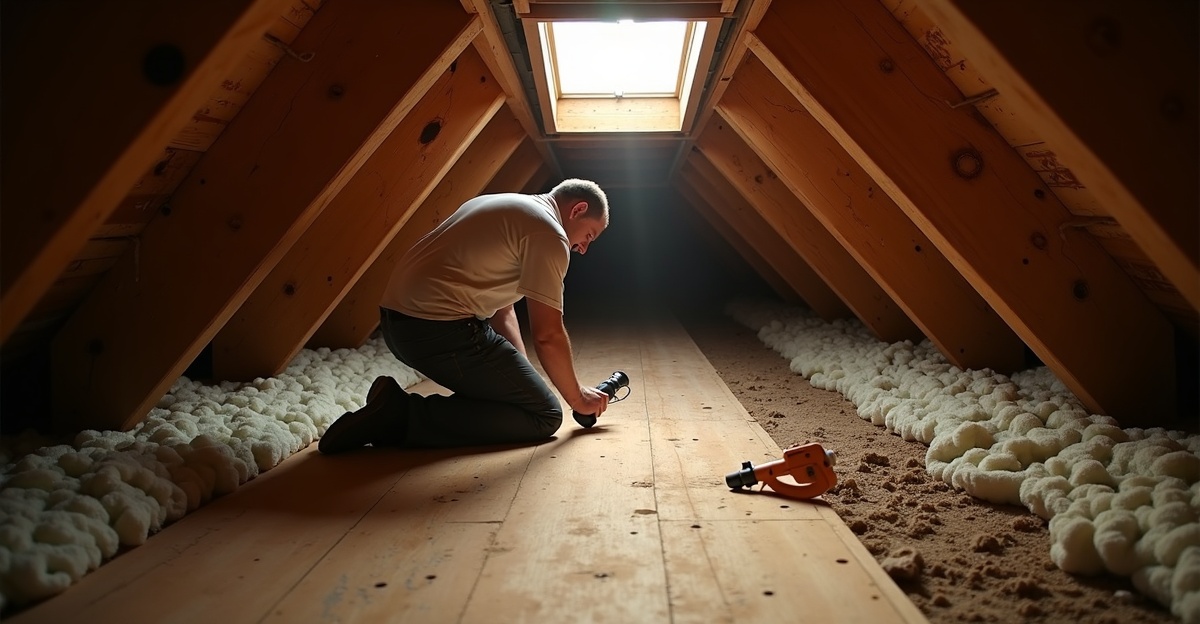
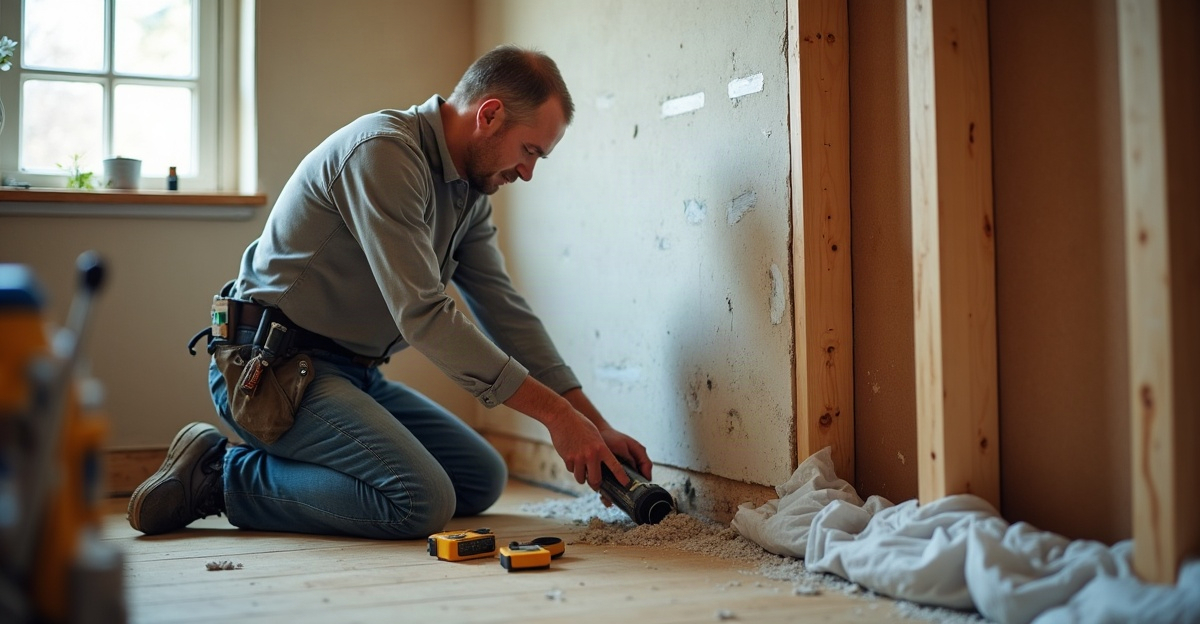
Older homes demand a disciplined insulation strategy. We evaluate heat gain, wall structure, air leakage, and existing material condition before we recommend upgrades. In Arizona, we focus on strong air sealing, correct R-values, and climate-ready solutions that reduce HVAC strain, stabilize indoor temperatures, and deliver measurable energy savings.
Key Takeaways
- We start with a detailed evaluation of attics, walls, crawl spaces, air leakage points, and existing insulation condition before we select materials.
- We prioritize attic air sealing and R-value upgrades in hot climates to limit extreme heat gain and improve overall efficiency.
- We match insulation type to the application, such as spray foam for air sealing, blown-in insulation for attics, or dense-pack solutions for accessible wall cavities.
- We remove deteriorated or contaminated insulation when necessary to protect indoor air quality and ensure long-term performance.
- We choose experienced contractors who set realistic performance targets and combine air sealing with insulation upgrades.
Signs Your Older Home Needs Insulation Attention Now
Older homes across Arizona often struggle with extreme summer heat and excessive attic heat gain. In many cases, insulation for older homes was minimal by today’s standards or has deteriorated over time, allowing heat to move freely through attics, walls, and ceilings.
Common structural challenges include masonry or block construction with limited wall cavities, compressed or outdated insulation, and inconsistent temperatures between rooms. Air leakage through attic penetrations and wall gaps compounds the issue.
Performance symptoms are usually easy to spot:
- High cooling bills
- Rooms that never feel comfortable
- Ceilings that radiate heat in summer
- Persistent drafts with windows closed
- Fast dust accumulation
- HVAC systems that run constantly
Arizona’s prolonged heat makes these issues more than an inconvenience. Attics can reach temperatures well above outdoor conditions, forcing conditioned air to fight against constant heat gain. Poorly insulated walls and ceilings intensify the strain. That’s why insulation upgrades must address both thermal resistance and air leakage to improve overall building performance.
When insulation is upgraded correctly, the results are measurable:
- Improved comfort
- More stable utility costs
- Reduced heat gain
- Cleaner-feeling indoor air
- Less strain on HVAC equipment
- More consistent room temperatures
If several of these symptoms sound familiar, review the signs your home needs retrofit insulation and begin planning corrective upgrades.
How to Evaluate Your Home Before Choosing Insulation
There is no single best insulation for older homes. The right solution depends on building design, existing insulation levels, air leakage, moisture concerns, and performance goals.
Each area must be assessed separately. Attics, walls, and crawl spaces perform differently and often require different insulation strategies.
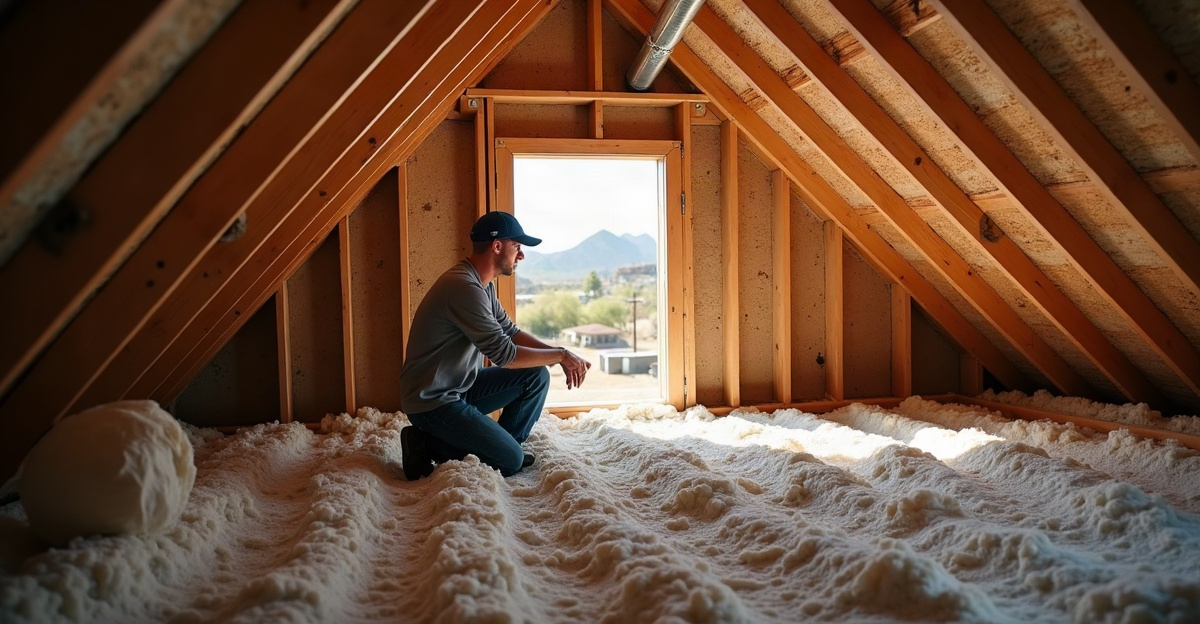
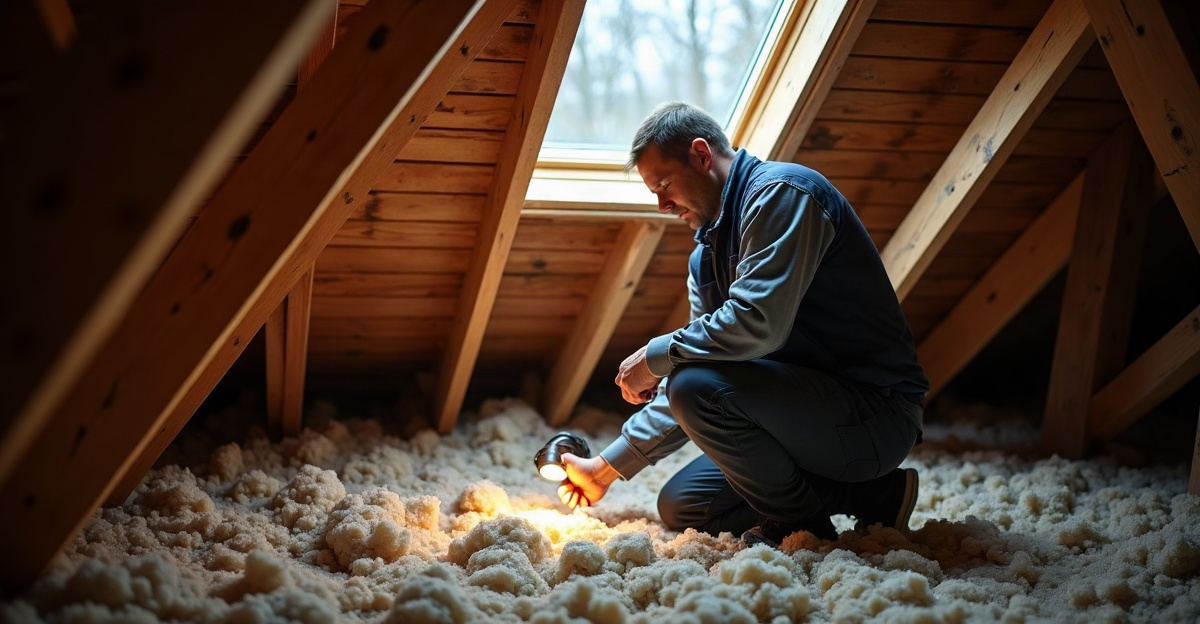
In many older attics, insulation is thin, uneven, or heavily compressed. Gaps around ductwork, wiring, and lighting fixtures are common. In older block homes built between the 1950s and 1980s, wall cavities may contain little or no insulation.
Arizona climate requirements also matter. In hot regions, higher attic R-values significantly reduce heat gain. Upgrading attic insulation often provides the strongest return on investment.
Construction type shapes what’s realistic:
- Masonry and block homes rarely allow simple cavity upgrades.
- Some projects require interior wall access.
- Many benefit most from attic and roofline improvements.
In certain cases, insulation removal is necessary. Deteriorated materials, contamination, or ineffective batts can reduce performance and air quality. Removing failing insulation before installing new material supports long-term effectiveness.
Budget planning depends on:
- Square footage
- Accessibility
- Existing insulation condition
- Removal requirements
- Material selection
Flat estimates often overlook real site conditions. A professional evaluation identifies both performance gaps and cost variables.
Clear goals matter as well. Some homeowners want lower energy bills. Others prioritize quieter interiors, resale value, or reduced HVAC strain. Comprehensive retrofit insulation services align material choices with measurable outcomes.
Air Sealing: The Overlooked Step That Makes Insulation Work
Air sealing is one of the biggest performance gaps in older homes. Insulation without air control allows conditioned air to escape while hot exterior air enters.
Typical leakage points include:
- Attic penetrations
- Recessed lighting
- Duct chases
- Top plates
- Rim joists
- Plumbing and wiring gaps
Without proper sealing, even high R-value insulation cannot prevent energy loss. Air movement carries heat and moisture far more aggressively than conduction alone.
Prioritizing attic air sealing is critical in Arizona homes. Sealing penetrations before adding insulation dramatically improves performance.
The benefits are immediate:
- More consistent indoor temperatures
- Reduced HVAC cycling
- Lower moisture risk
- Improved indoor air quality
Air sealing should always be completed before or during insulation upgrades. Skipping this step limits long-term results.
Comparing Insulation Options for Older Homes: Pros, Limitations, and Best Uses
Insulation materials vary by application. The best solution depends on which area of the home is being upgraded.
Spray Foam Insulation
Spray foam insulation provides high R-value per inch and built-in air sealing. It performs well in tight or irregular cavities and dramatically reduces air leakage.
Advantages:
- Excellent air sealing
- High thermal resistance
- Ideal for rim joists and roof decks
Limitations:
- Higher upfront cost
- Requires professional installation
For deeper comparison, review open cell vs closed cell spray foam insulation. Professional spray foam insulation is ideal where air control is critical.
Blown-In Fiberglass Insulation
Blown-in fiberglass insulation is cost-effective for attics and covers large areas quickly. It works well for increasing R-value over existing insulation.
Advantages:
- Efficient attic coverage
- Budget-friendly
- Fast installation
Limitations:
- Does not inherently stop air movement
Learn more about what is blow-in insulation and explore our blow-in insulation services.
Cellulose Insulation
Cellulose insulation works well for dense-pack wall applications. It fills cavities thoroughly and can reduce air movement when installed correctly.
Advantages:
- Strong cavity coverage
- Effective for retrofit wall applications
Limitations:
- May require drilling into finished walls
Batt Insulation
Batt insulation is common and widely available. It performs best when installed in open framing during renovations.
Advantages:
- Cost-effective for exposed cavities
- Simple installation in open walls
Limitations:
- Performance drops if compressed or poorly fitted
Review common problems with old batt insulation before reusing materials. For renovation projects, batt insulation services may be appropriate.
Matching Insulation to Common Arizona Retrofit Scenarios
A 1970s home with minimal attic insulation but solid walls usually benefits most from attic air sealing and added blown-in fiberglass or cellulose to reach recommended R-values.
Block construction homes with hot interior walls require strategic planning. Since wall cavities may be limited, focusing on attic and roofline performance often delivers the greatest improvement.
Rooms above garages or additions that never cool properly often lack proper thermal separation. Targeted spray foam or dense-pack insulation can significantly improve stability.
Homes with deteriorated insulation may require removal before new installation. Installing over compromised materials can trap contaminants and limit effectiveness.
Learn more by exploring our residential insulation services and additional insulation blog resources.
Choosing a Qualified Insulation Contractor for Long-Term Results
Experience with insulation for older homes in Arizona’s climate is critical. Extreme summer heat quickly exposes poor installation practices.
A professional assessment should:
- Evaluate existing insulation levels
- Identify air leakage pathways
- Inspect structural conditions
- Define realistic R-value targets
Avoid exaggerated savings claims. Focus on measurable performance improvements supported by proper installation.
Homeowners ready to move forward can schedule an evaluation through the contact page to identify practical, cost-effective improvements based on site conditions and long-term goals.