Is Batt Insulation Better Than Blown-In Insulation?
Batt insulation and blown-in insulation each suit different conditions. We recommend choosing based on the space, access, required R-value, existing insulation condition, and the ability to achieve full coverage and effective air sealing. Batts fit open, regularly framed cavities. Blown-in insulation often delivers more consistent attic coverage and fills areas around obstructions.
Key Takeaways
- We recommend batt insulation for accessible wall, floor, and ceiling cavities. Install it at the correct size, then cut it cleanly without gaps or compression.
- Blown-in insulation often offers the most practical choice for attic upgrades, irregular layouts, and areas with ducts, wiring, or changing framing.
- Installation quality affects performance as much as the labeled R-value. Gaps, thin areas, compression, and missed edges reduce insulation effectiveness.
- Complete air sealing before adding attic insulation. This step limits uncontrolled airflow through penetrations, cracks, and openings.
- We can add insulation over existing material if it remains dry, clean, and in good condition. Address moisture, pests, contamination, or damage first.
The Short Answer: The Better Choice Depends on the Space and Installation
Is batt insulation better than blown-in? Neither option wins in every situation. The right choice depends on the area we’re insulating, available access, target R-value, existing conditions, and installation quality.
Batt insulation usually consists of fiberglass or mineral wool supplied in pre-cut widths for standard wall, floor, and ceiling cavities. Blown-in fiberglass is loose-fill material installed with blowing equipment, which makes it useful for open attic floors and irregular spaces. Blown-in cellulose is recycled paper-based loose-fill insulation treated for fire resistance. It requires installation at the manufacturer-specified density and depth, with proper attention to settling and moisture conditions.
R-value measures resistance to heat flow, but R-value alone does not determine real performance. Complete coverage, gaps, compression, voids, airflow, moisture exposure, and the condition of the full building enclosure all affect results. For Arizona homes, we recommend choosing based on the actual attic, walls, ceilings, new build, renovation, repair, or retrofit needs rather than making a one-size-fits-all material choice.
The question of whether batt insulation is better than blown-in often comes down to access and coverage. In a standard open wall cavity, batts can work very well. In an obstructed attic that needs added depth, blown-in insulation often provides more consistent coverage. The reverse question, is blown-in insulation better than batt, has the same answer: it depends on the assembly and the workmanship.
Batt vs. Blown-In Insulation at a Glance
| Factor | Batt Insulation | Blown-In Insulation |
|---|---|---|
| Best applications | Open, regularly framed wall cavities in new construction; consistent floor and ceiling cavities; accessible assemblies. | Open attic floors needing additional depth; irregular attics with wiring, ducts, and framing changes; selected retrofit applications. |
| Common material types | Fiberglass and mineral wool batts. | Loose-fill fiberglass and cellulose. Dense-pack wall applications are specialized and differ from open-blown attic installation. |
| Coverage and fit around obstructions | Requires careful cutting and fitting around wiring, plumbing, and framing. | Can cover uneven areas and work around many obstructions more easily. |
| Typical R-value per inch | Material- and product-dependent. Check the product label and manufacturer instructions. | Material- and product-dependent. Check the product label, required installed depth, and coverage chart. |
| Installation considerations | Must fit snugly, stay fully fluffed, and remain free of gaps, folds, and compression. | Must be installed evenly to the specified depth and coverage level. |
| Settling considerations | Batts generally do not settle, but they can slump, shift, or lose effectiveness if poorly installed or damaged. | Settling is a reduction in loose-fill insulation depth over time. Behavior varies by material and manufacturer installation specifications. |
| Moisture considerations | Must remain dry and protected from roof leaks, plumbing leaks, and condensation issues. | Fiberglass and cellulose differ in moisture response, density, recycled content, and installation requirements. Moisture sources must be corrected first. |
| Ability to top up existing insulation | Possible in some assemblies, although placement can be difficult in crowded attic spaces. | Often practical for adding attic depth when existing insulation is dry, clean, and suitable to remain. |
| Cost factors | Material, cavity access, cutting requirements, labor, air sealing, and assembly preparation affect cost. | Square footage, required depth, attic access, preparation, removal, air sealing, and labor complexity affect cost. |
| Common performance risks | Compression, folding, poor cuts, gaps around wiring and framing, and thermal bridging through framing. | Uneven coverage, insufficient depth, missed edges, settling where applicable, and moisture-related problems. |
Thermal bridging occurs when heat moves more easily through conductive building components, such as framing, than through the insulation around them. It is one reason a wall with the correct batt R-value can still transfer heat through wood or metal framing.
Total project cost depends on material, required R-value, square footage, attic access, preparation work, insulation removal, air sealing, ductwork, contamination, and labor complexity. The lowest material cost is not always the lowest lifecycle cost if poor coverage or air leakage reduces performance.
Where Each Insulation Type Works Best
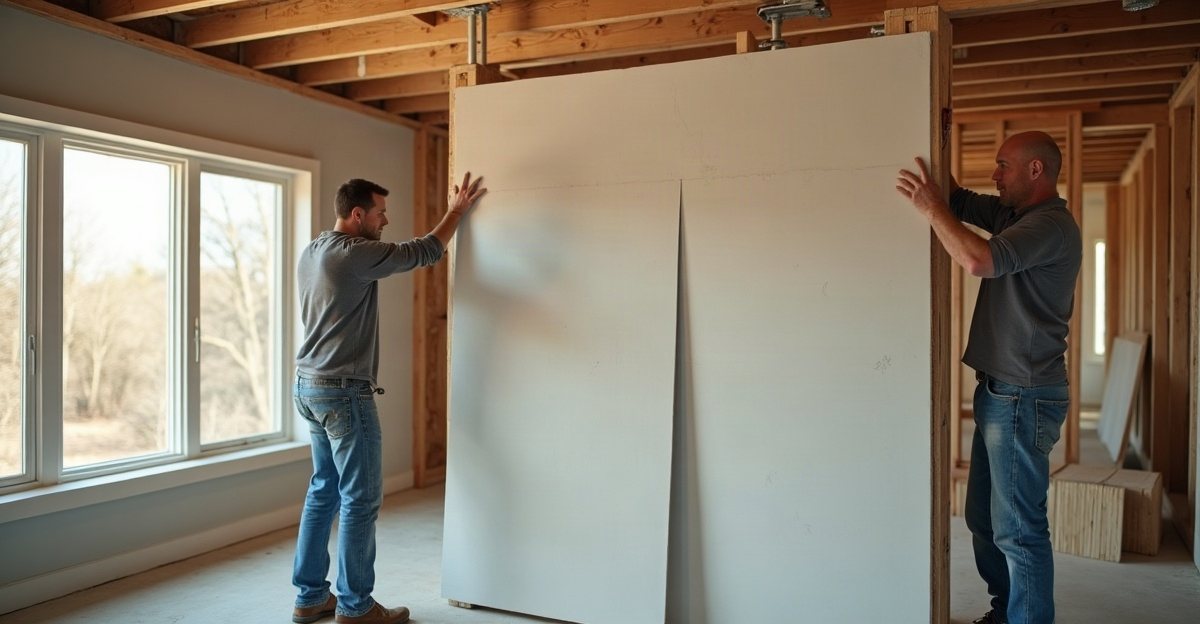
Batts often perform best in open, regularly framed wall cavities during new construction. They also suit floors and ceilings with consistent cavity dimensions. We use them effectively where the assembly remains open and we can fit each piece around wiring, plumbing, and other obstructions without forcing or compressing the material. Our batt insulation services focus on proper fit because coverage quality determines whether the labeled R-value can do its job.
Batts need to be correctly sized, fully fluffed, cut around obstructions, and installed without compression. A batt that is folded, squeezed behind wiring, or left with gaps at cavity edges can lose real-world effectiveness even if the label shows an appropriate R-value. Existing installations often show these issues, including the problems with old batts that develop after damage, shifting, or incomplete installation.
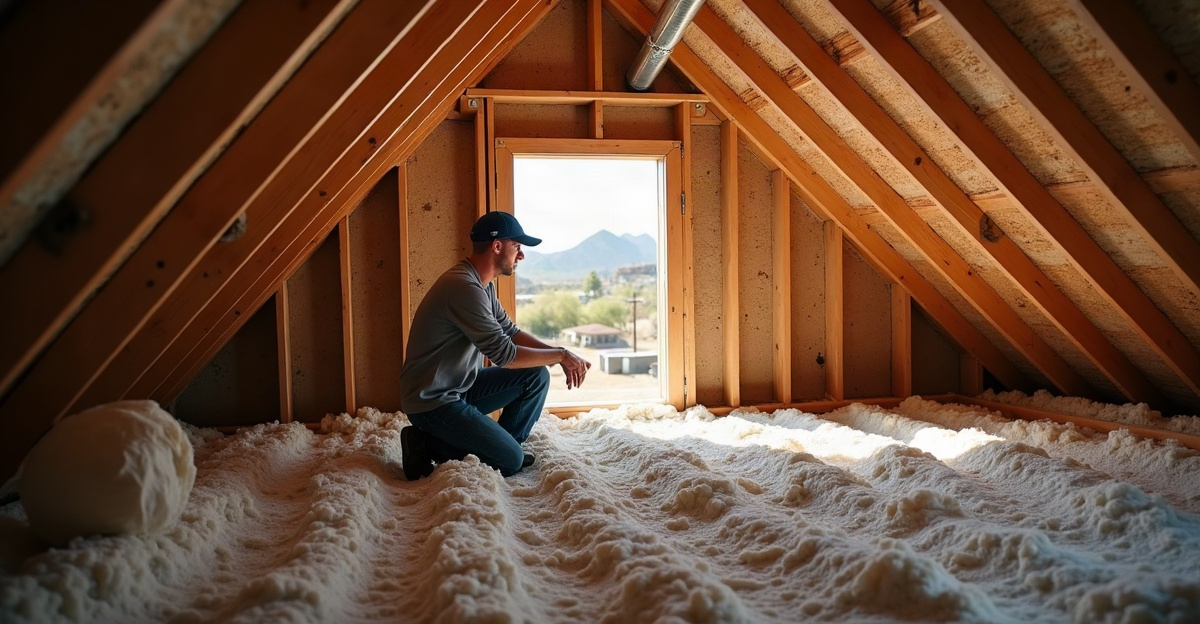
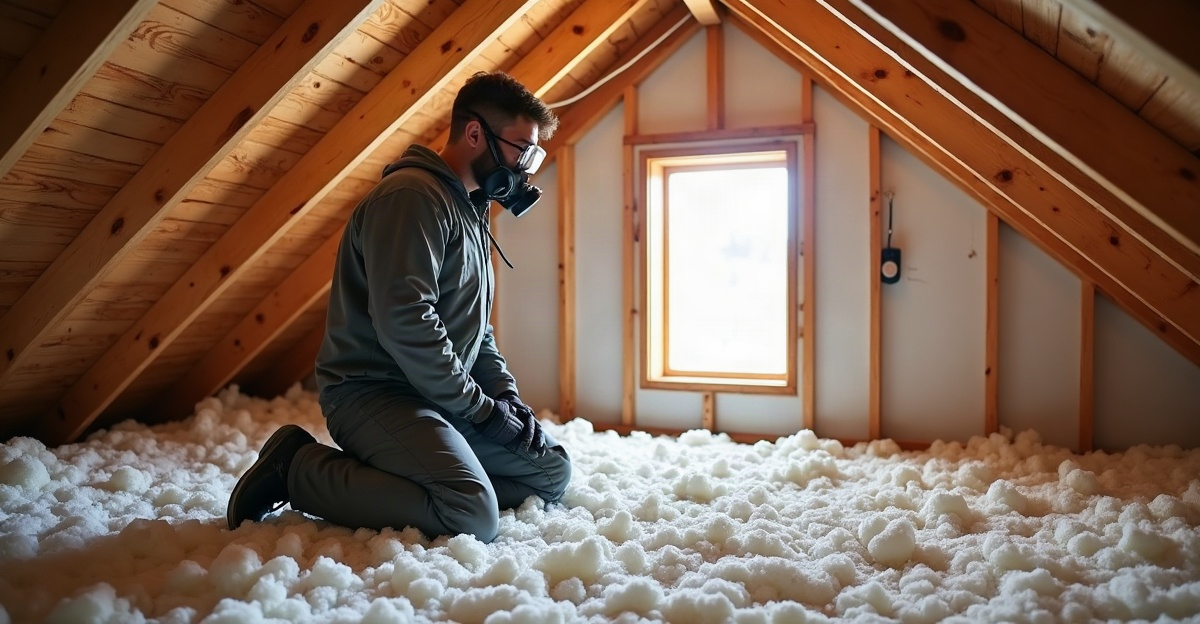
Blown-in insulation often works best on open attic floors where we need enough depth to reach a target R-value. It also suits attics with irregular framing, ducts, wiring, and other obstructions that make batt placement difficult. In retrofit work, we can evaluate existing loose-fill insulation and, when conditions allow, add material to improve depth and coverage through blown-in insulation services.
For enclosed existing wall cavities, dense-pack insulation may be appropriate in certain projects. This is a specialized method and differs from open-blown attic insulation. We evaluate wall construction, access, moisture conditions, and the planned assembly before recommending it.
Loose-fill insulation must be installed evenly to the required depth and coverage level. Attic rulers or depth markers help verify installation depth where appropriate. Cellulose and fiberglass should not be treated as identical products. Cellulose uses recycled paper treated for fire resistance, while fiberglass has different density and moisture characteristics. We follow manufacturer requirements for the selected product, including specified density and installed depth. For a closer look at material differences, see how blown-in insulation works.
Air Sealing and Installation Quality Determine Real-World Results
Insulation slows heat transfer. Air sealing limits uncontrolled airflow through gaps and penetrations. Both matter, especially in an Arizona attic exposed to long periods of summer heat.
Blown-in insulation can fill uneven areas more effectively than batts, but it does not replace sealing major leaks. Before adding attic insulation, we generally air seal top plates, plumbing penetrations, wiring holes, attic hatches, duct penetrations, and similar openings. Adding insulation over unsealed gaps can leave air leakage problems hidden beneath the new material.
Quality control should include checks for gaps, voids, compression, uneven attic coverage, and insufficient depth. Areas around ducts, wiring, framing changes, attic edges, and other hard-to-reach locations need complete coverage. Recessed lights, electrical components, flues, vents, and other heat-producing or safety-sensitive elements require proper clearances and code-compliant treatment.
A field example is common: an attic may have the right average depth, but thin spots around ducts and wiring can reduce performance. Likewise, poorly fitted batts in wall cavities can leave pathways for heat flow even when the selected material has the right stated R-value.
We rely on R-value guidance, installation specifications, and safety requirements from ENERGY STAR, the U.S. Department of Energy, insulation manufacturers’ installation instructions, local building codes, and applicable fire-safety guidance where applicable. Generic guidance does not replace local code requirements or an on-site assessment. A qualified insulation professional should review technical claims before publication and verify project-specific requirements before work begins.
What Arizona Homes and Existing Insulation Need to Consider
Arizona attics can reach very high temperatures in summer, which increases cooling loads. Inadequate insulation depth, uneven coverage, attic air leaks, and duct leakage can all contribute to uncomfortable rooms and longer HVAC runtime. Attic ductwork deserves close attention because duct condition, leakage, and insulation levels can affect comfort and efficiency.
Insulation alone will not solve every cooling problem. HVAC sizing, duct leakage, windows, shading, thermostat settings, and air leakage also influence indoor comfort. Our residential insulation services start with the building conditions instead of assuming one material will resolve every issue.
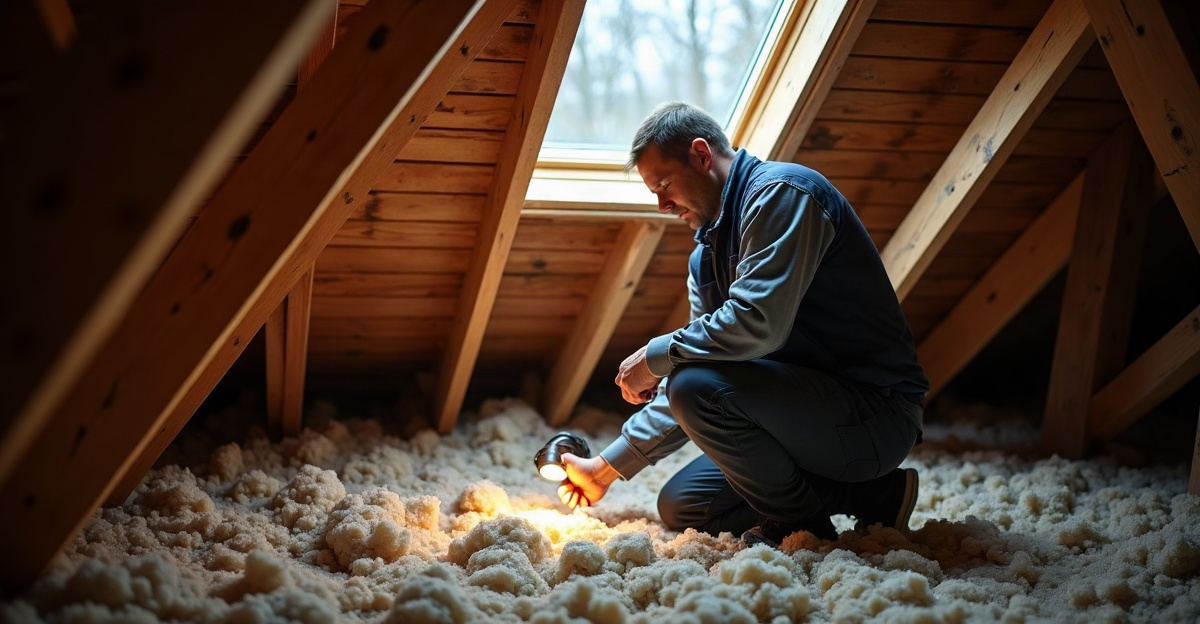
Existing insulation can often remain and be topped up if it is dry, clean, in reasonable condition, and appropriate for the planned assembly. We recommend assessment and possible removal before adding insulation if there is mold, moisture damage, rodent contamination, pest debris, fire damage, severe compaction, or a history of roof leaks. The moisture source must be identified and corrected before reinsulating.
Mixed insulation types may work in some assemblies, but we evaluate compatibility, condition, ventilation, and installation details first. For many local properties, Arizona insulation options depend heavily on attic layout, existing materials, and the target R-value.
How to Choose the Right Approach for Your Property
Use This Practical Decision Checklist
Before choosing batt or blown-in insulation, we assess these project details:
- Is the space open and regularly framed, or irregular and obstructed?
- Is this new construction, a renovation, or a retrofit?
- What R-value is required or targeted for the assembly?
- Is existing insulation clean, dry, and free from severe compaction?
- Are attic air leaks or duct issues present?
- Is access limited?
- Is there a moisture, pest, roof leak, or contamination issue to resolve first?
- Does the priority center on upfront cost, retrofit coverage, long-term performance, or a specific assembly requirement?
A combination approach often makes sense. We may air seal an attic floor before adding blown-in insulation to the needed depth. Batts can serve accessible standard framing cavities, while loose-fill material can cover open attic areas. If attic ductwork contributes to comfort concerns, duct sealing or duct insulation may also need attention. The right combination varies with the building’s design and current condition.
Some batt projects appear manageable, but attic work can involve heat exposure, limited access, electrical hazards, recessed fixtures, pests, contaminated materials, and ventilation concerns. We recommend a professional assessment for damaged insulation, suspected mold or rodent contamination, complex attic layouts, enclosed wall applications, combustion appliances, electrical concerns, or uncertainty about air sealing and code requirements.
Common questions include whether blown-in insulation is better than batt insulation for an attic, whether blown-in insulation can go over existing batts, whether it settles over time, and whether fiberglass or cellulose is the better loose-fill material. Homeowners also ask whether to air seal before insulating, whether old insulation requires removal, and what R-value an Arizona attic needs. Our insulation FAQ provides additional guidance, but an on-site review remains the best way to confirm the correct scope.
If you are unsure whether an attic or building assembly needs batt insulation, blown-in insulation, air sealing, removal, or a combination of services, schedule an insulation assessment. A professional evaluation can identify existing insulation conditions, air leaks, access challenges, and the most practical path to the target R-value. Contact our insulation team to arrange an assessment.