Is Batt Insulation Flammable: What Homeowners Should Know?
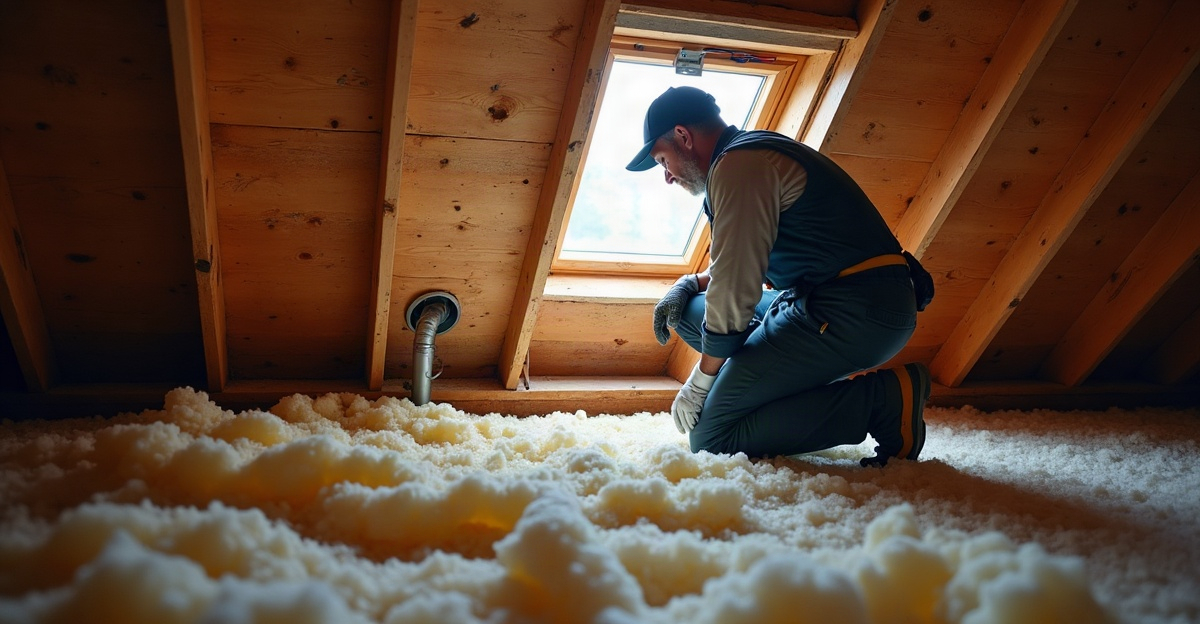
Batt insulation can pose fire concerns. Unfaced fiberglass batts generally resist combustion. However, kraft-paper facings, vapor retarders, adhesives, debris, and nearby building materials can burn or create smoke.
Fire safety also relies on correct installation near recessed lights, chimneys, flues, electrical equipment, and other heat-producing components.
Key Takeaways
- Unfaced fiberglass insulation generally resists ignition, but it can’t make a wall, ceiling, or attic assembly fireproof.
- Kraft-paper-faced fiberglass batts can burn. Building codes may require an approved thermal barrier, such as drywall.
- Mineral wool often suits higher-temperature or fire-resistance applications. Product specifications and tested assemblies still determine proper use.
- We recommend following fixture labels, manufacturer instructions, and local code requirements near heat sources.
- Visible scorching, melted facing, unknown fixture ratings, water damage, or contamination call for an assessment by a qualified insulation professional.
The Short Answer: Fiberglass Batts Are Generally Noncombustible
Unfaced fiberglass batt insulation is generally noncombustible because glass fibers do not ignite easily. However, batt insulation products and assemblies may contain combustible facings or sit near materials that can burn.
So, is batt insulation flammable? The answer depends on the batt material, its facing, product construction, and the surrounding assembly. Fiberglass batt insulation is one type of batt insulation, but batt products are not all made from the same materials or built for the same fire-performance conditions.
Is fiberglass batt insulation flammable? Unfaced fiberglass batts generally resist ignition. Still, noncombustible insulation does not mean the entire wall, ceiling, or attic assembly is fireproof. Fire can damage the insulation, produce smoke from nearby materials, and travel through openings in the structure.
We evaluate the fire safety of batt insulation by looking beyond the fibers. The specific product, its facing, its condition, nearby heat sources, and installation details all matter. Our batt insulation services focus on proper material selection and installation for the space involved.
What Parts of Batt Insulation Can Burn or Produce Smoke?
Kraft-paper-faced fiberglass batts are combustible. The kraft facing is the paper layer attached to one side of the insulation, and it can ignite or contribute to smoke during a fire. Kraft-paper-faced fiberglass batts are combustible even though the underlying fiberglass fibers generally do not readily burn.
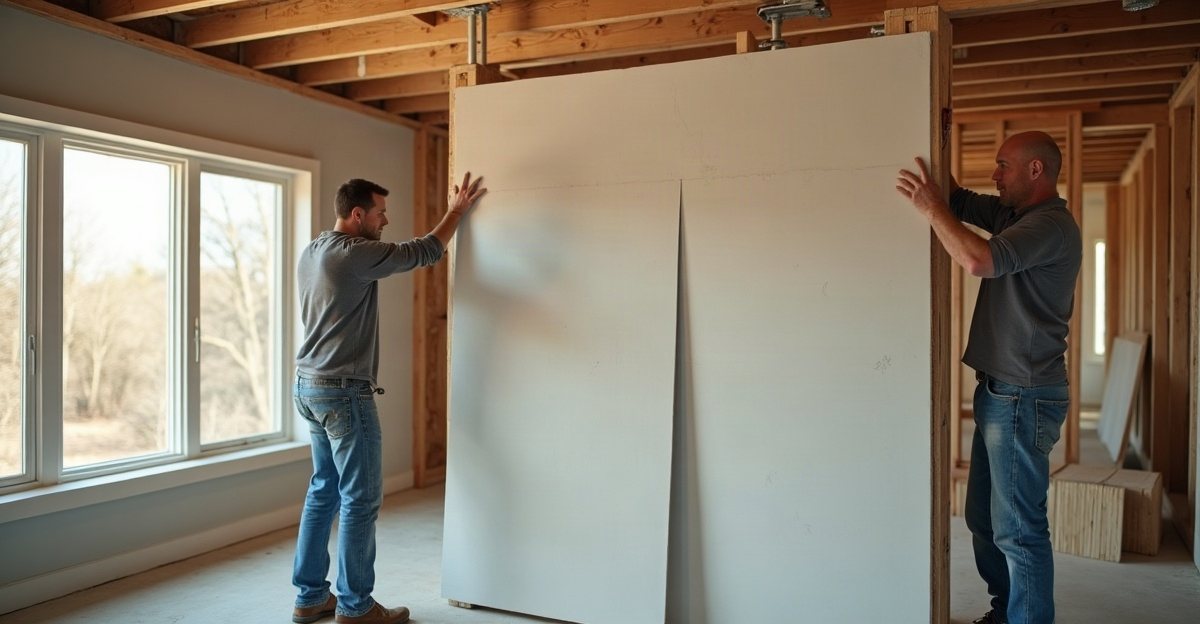
Where applicable, kraft-faced insulation typically requires coverage by an approved thermal barrier, such as drywall. A thermal barrier is an approved covering that helps delay heat and flame exposure to materials behind it. Drywall over faced insulation is common in finished walls and ceilings, but the required assembly depends on the product, location, manufacturer instructions, and local building requirements.
Foil-faced insulation and plastic vapor retarders also need product-specific review. A vapor retarder limits moisture vapor movement through an assembly. The reaction of foil facings, plastic layers, adhesives, and binders to heat and flame can differ from the fiberglass itself. Manufacturer product specifications identify the properties of a given foil-faced insulation product.
Other materials around insulation can affect fire conditions. Binders, packaging, dust, loose debris, wood framing, stored boxes, and other building materials may burn, melt, or produce smoke. Existing fiberglass batts are not inherently dangerous. The practical concern is their type, condition, installation, and proximity to heat sources or combustible materials. For older installations, review these old batt insulation problems before deciding whether repairs or replacement are needed.
Fiberglass Batts vs. Mineral Wool Batts: Fire Considerations
Fiberglass batts and mineral wool batts are separate insulation materials. Both can support effective thermal performance when installed correctly, but their fire-related characteristics differ by product and assembly.
Mineral wool is often selected for higher-temperature or fire-resistance applications. That does not make mineral wool automatically right for every project, and it does not mean every mineral wool product has the same insulation fire ratings. Facing materials, thickness, tested assemblies, and installation methods still affect performance.
We recommend reviewing current manufacturer technical data sheets before selecting either material for a fire-sensitive location. Those documents identify relevant fire-related properties, tested assemblies, approved applications, and installation instructions. They also help distinguish material characteristics from claims about an entire wall or ceiling system.
Fiberglass batts versus mineral wool batts should be evaluated as part of a broader project decision. Fire considerations matter, along with moisture management, comfort, energy performance, budget, and available installation space. For a comparison of other common insulation options, see spray foam versus fiberglass.
Why Installation Around Heat Sources Matters
Even generally noncombustible fiberglass insulation requires correct placement around heat-producing components. Chimneys, flues, fireplaces, recessed light fixtures, electrical equipment, exhaust vents, and similar components may need specific clearances or approved materials.
There is no single clearance measurement that applies to every installation. Fixture labels, local building requirements, and manufacturer instructions must guide the work. Insulation should not cover fixtures, wiring, or heat-producing components unless the fixture rating and installation instructions clearly allow it.
Insulation around recessed lights requires special care. Some fixtures are rated for insulation contact, while others require insulation to remain away from the housing. If a recessed-light rating is unclear, we should arrange qualified evaluation before moving or adding insulation.
The same caution applies to insulation near chimney or flue components. We should not pack batts into unknown gaps, alter existing clearances, or assume that fiberglass alone makes a location safe. Proper batt insulation installation safety depends on the complete assembly and verified requirements.
During an attic upgrade or remodeling project, we can compare practical options such as batt versus blow-in insulation while accounting for access, coverage, fixtures, and safe installation details.
Insulation, Air Sealing, and Fireblocking Are Different Jobs
Insulation alone is not a complete fire- or smoke-control strategy. It slows heat transfer, but it does not replace proper air sealing, fireblocking, safe electrical work, or required chimney and fireplace clearances.
Air sealing reduces unintended air movement through gaps and openings. Attic air sealing can improve comfort and energy performance by limiting conditioned-air loss. Open chases and gaps around penetrations can also allow air and smoke movement through concealed spaces.
Fireblocking uses approved materials and methods to help limit concealed fire and smoke movement through framing cavities. Penetrations, chases, and openings need treatment appropriate to the wall, ceiling, or attic assembly. Insulation and smoke spread are separate concerns, even though gaps around insulation can reveal areas that need closer review.
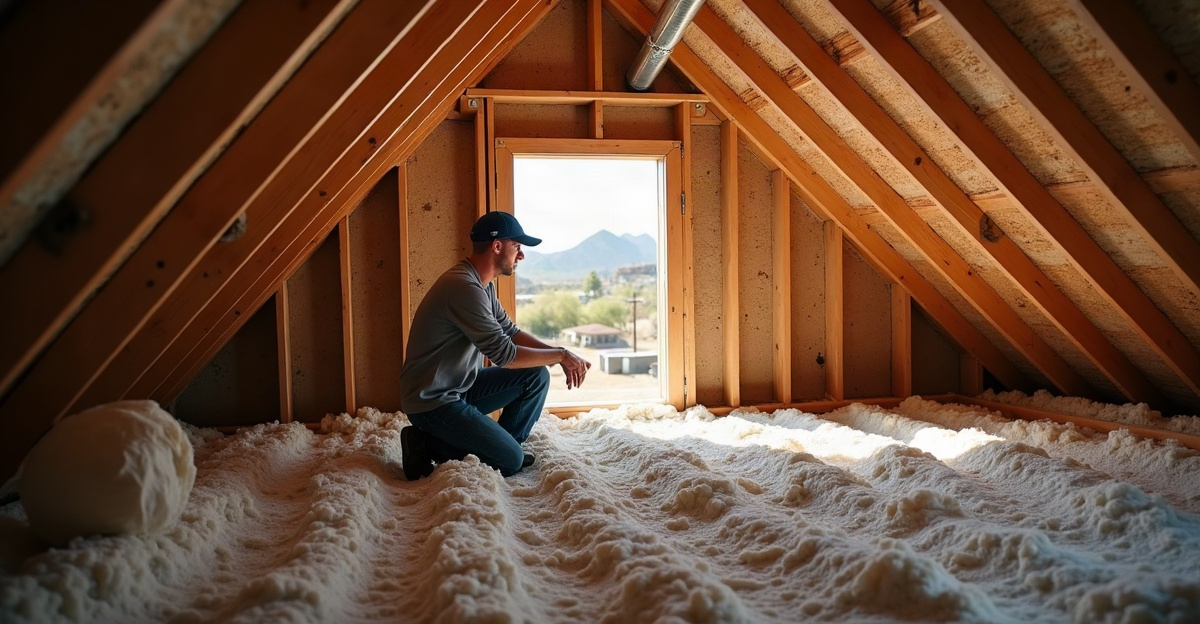
For attic insulation Arizona projects, extreme heat, high cooling costs, and remodeling work often drive the initial call. We should evaluate energy performance and fire safety together, along with ventilation, moisture control, air sealing, and correct installation. Our retrofit insulation services can help identify practical improvements without assuming every existing batt installation needs replacement.
What Homeowners Can Check Safely and When to Call a Professional
Safe Visual Inspection Steps
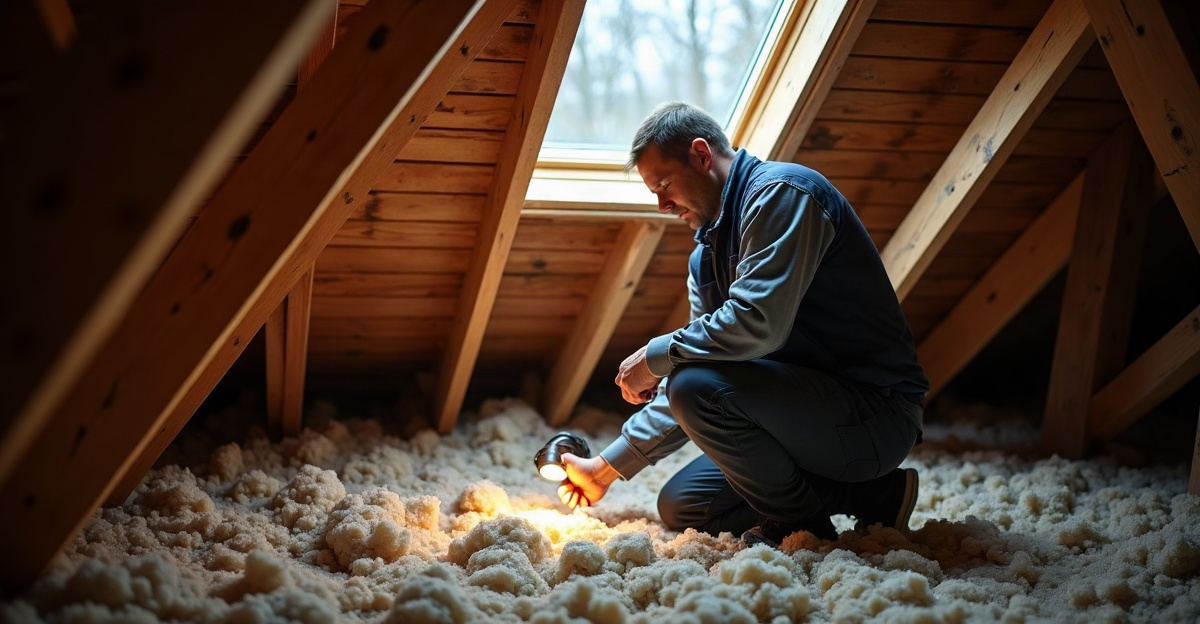
We can perform a limited insulation inspection from accessible areas without moving electrical components or entering unsafe spaces. Check the following conditions:
- Identify whether accessible batts are faced or unfaced.
- Look for visible scorching, charring, melted facing, or other heat damage.
- Check for loose dust, debris, or stored materials near fixtures and heat-producing components.
- Locate product labels and manufacturer information where accessible.
- Watch for water damage, deteriorated insulation, rodent contamination, or displaced batts.
We should not disturb electrical wiring, cover fixtures, alter clearances, or attempt chimney, flue, electrical, or fireblocking repairs without qualified help. Visible charring, melted facing or vapor barrier material, insulation touching a heat-producing fixture, uncertain recessed-light ratings, and concerns near a chimney or flue all warrant professional review.
Water damage, rodent contamination, deteriorated insulation, and renovation plans also justify an attic insulation evaluation. After a fire or smoke event, whether to replace fiberglass insulation after fire exposure depends on the extent of heat, smoke, moisture, contamination, and physical damage. A qualified assessment is the right next step before insulation removal or replacement.
Can fiberglass insulation catch fire? Unfaced fiberglass fibers generally do not readily ignite, but facings, binders, debris, and nearby materials may burn or produce smoke. Is kraft-faced insulation a fire hazard? The kraft facing is combustible, so it must be installed and covered as required for the specific assembly.
Can insulation touch recessed lights? Only if the fixture rating and manufacturer instructions permit insulation contact. Does drywall need to cover faced insulation? Often, where an approved thermal barrier is required, but product instructions and local requirements control. Is mineral wool more fire resistant than fiberglass insulation? Mineral wool is often used for higher-temperature or fire-resistance applications, though product documentation and tested assemblies remain essential.
Arizona homeowners, property owners, builders, and renovators can request a professional insulation assessment from Tightseal. We can review attic conditions, air sealing needs, insulation removal needs, retrofit work, and new-construction options. For projects starting from the framing stage, our guide to new construction insulation can help clarify the available material choices.