Spray Foam Insulation Cost: What Arizona Property Owners Pay?
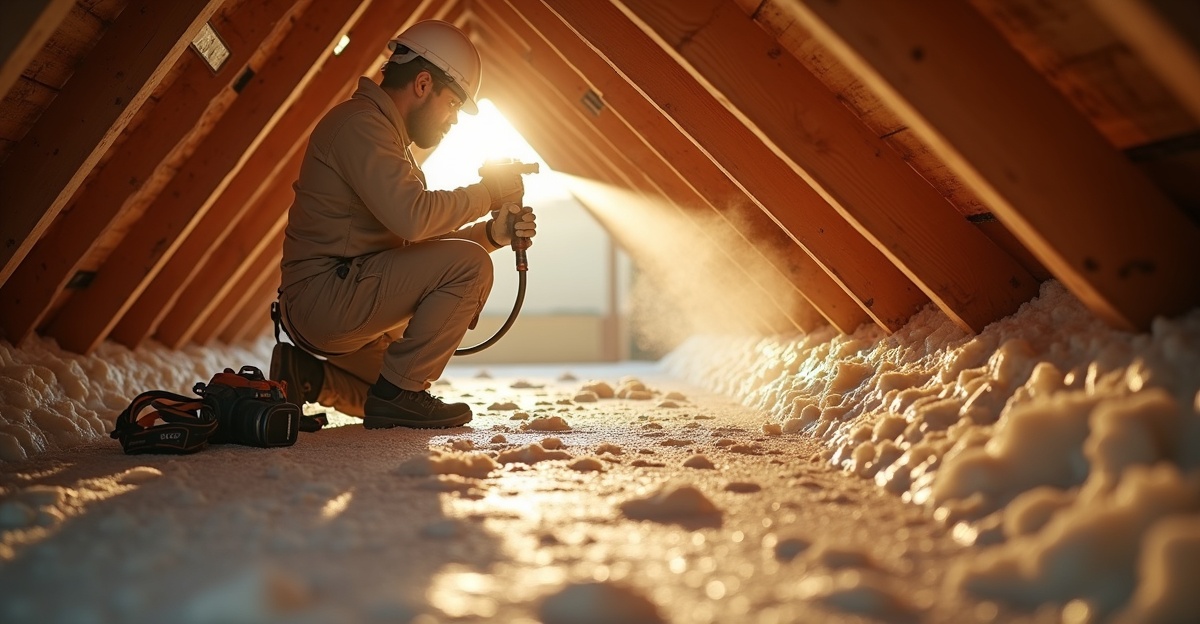
Spray foam insulation cost in Arizona is calculated by board foot and usually ranges from $0.45 to $1.50 per board foot installed. We base pricing on whether we use open-cell or closed-cell foam. Final cost depends on required thickness for desert R-value targets, project type, attic conditions, and labor factors that national averages often ignore.
Key Takeaways
- Arizona property owners typically pay $0.45–$0.75 per board foot for open-cell foam and $1.00–$1.50 per board foot for closed-cell foam.
- A board foot equals 1 square foot at 1 inch thick, and total cost rises directly with required thickness and R-value goals.
- Desert climates often demand thicker applications, especially in attics and rooflines, which increases overall project costs compared to national averages.
- New construction projects usually cost less than retrofits because we get easier access and face fewer preparation requirements.
- Spray foam carries a higher upfront cost than fiberglass or cellulose, yet it combines air sealing and insulation for stronger long-term performance in Arizona heat.
What Arizona Property Owners Typically Pay for Spray Foam Insulation
Spray foam insulation cost in Arizona depends on material type, thickness, and project conditions. Pricing is typically calculated by board foot, not by square foot.
In Arizona, installed price ranges usually fall within:
- Open-cell spray foam: approximately $0.45–$0.75 per board foot
- Closed-cell spray foam: approximately $1.00–$1.50 per board foot
A board foot equals 1 square foot at 1 inch thick. That definition matters because thickness drives total volume.
For example, a 2,000 square foot attic sprayed to 5 inches with open-cell foam equals about 10,000 board feet. Multiply board feet by the per-board-foot rate to estimate material cost before labor and project variables.
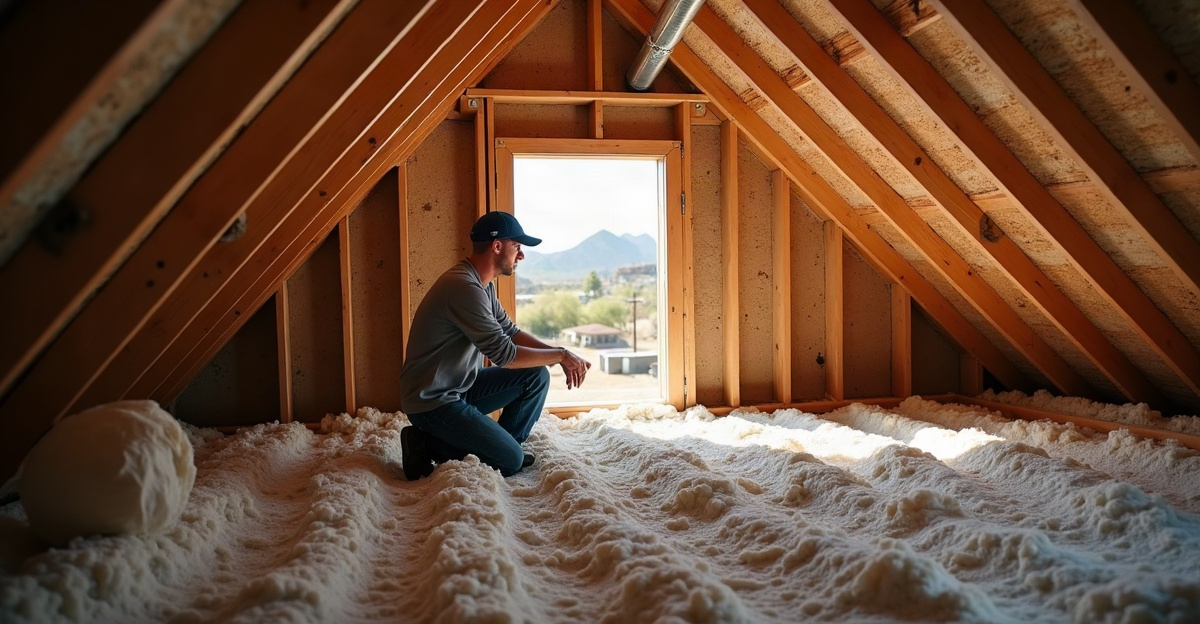
The average cost of spray foam insulation depends on the R-value target, not just the size of the space. Arizona’s extreme heat and high attic temperatures often require thicker applications, especially at rooflines. More inches mean more board feet. This directly increases the cost to spray foam insulation.
Homes in Phoenix, Tucson, Mesa, and other desert communities often demand higher attic performance than national averages suggest. That’s why generic pricing found online rarely reflects what Arizona property owners actually pay.
Cost Per Square Foot Explained (And Why It Varies So Much)
Many homeowners ask, how much does spray foam insulation cost per square foot? The confusion stems from mixing square foot pricing with board foot pricing.
Square footage measures surface area. Board footage measures volume. Thickness connects the two.
If we insulate 1,000 square feet:
- At 3 inches thick, that equals 3,000 board feet.
- At 5 inches thick, that equals 5,000 board feet.
That difference significantly changes the total spray foam insulation cost.
Thickness depends on the desired R-value. Open-cell and closed-cell foams provide different R-values per inch. Closed-cell delivers a higher R-value per inch, which may reduce thickness but increase cost per board foot. Open-cell often requires more thickness to achieve the same R-value, but the material is less expensive per board foot.
Arizona building styles and energy expectations also play a role. Many attics in desert climates benefit from higher R-values due to prolonged cooling seasons and extreme roof deck temperatures. National averages rarely account for that.
We focus on clarity when presenting estimates. We show the surface area, confirm the thickness in inches, convert to board feet, and explain material selection. That transparency helps prevent sticker shock when detailed proposals arrive.
Open-Cell vs. Closed-Cell Foam: Cost and Performance Differences
Material selection has a direct impact on spray foam insulation cost and long-term performance. Each option serves a purpose.
Open-cell spray foam typically costs less per board foot. It expands significantly during application, which helps with air sealing. Contractors often use it on interior walls and unvented attic rooflines. It allows assemblies to dry inward, which can benefit certain designs. To understand how the material functions at a technical level, review how spray foam insulation works.
Closed-cell spray foam costs more per board foot. It offers a higher R-value per inch and adds structural rigidity. It also resists moisture absorption more effectively. Builders often specify it in crawl spaces, exterior walls, or areas where vapor control matters.
The right choice depends on design goals, exposure conditions, and performance priorities. Price alone shouldn’t decide the outcome. A clear comparison of open-cell vs closed-cell foam helps align the material with the building’s needs.
What Factors Increase or Lower the Final Price?
Several variables influence how much property owners ultimately pay.
Project type plays a major role. New construction usually allows easier access. Crews can spray open cavities without removal or demolition. Retrofit projects often cost more because they may require insulation removal, surface prep, or access modifications. Homeowners evaluating upgrades can explore how retrofit insulation helps lower energy bills before deciding.
Location of application also matters. In Arizona, attics are common targets because cooling demand is high. Walls, crawl spaces, and roof decks each present different labor conditions.
Additional cost variables include:
- Removal and disposal of existing insulation
- Tight or difficult attic access
- Temporary ventilation setup during installation
- Moisture damage or necessary repairs
- Complex roof framing or obstructed cavities
Contractors calculate the cost to spray foam insulation in a structured way. We measure the total surface area. Then we determine required thickness in inches based on R-value goals and local code. We convert that to board feet. Finally, we add labor, site preparation, equipment setup, and disposal.
Regional labor rates and Arizona code requirements directly influence overall pricing. A quote in another state rarely aligns with costs in Phoenix or Tucson due to climate and inspection standards.
Spray Foam vs. Fiberglass or Cellulose: Upfront Cost vs. Long-Term Value
Spray foam usually carries a higher upfront cost than fiberglass or cellulose. Budget considerations are real, and each material has its place.
Fiberglass and cellulose typically cost less at installation. They can meet code-minimum R-values in many assemblies. However, they do not provide the same level of air sealing. Air leakage remains one of the biggest contributors to energy loss in Arizona homes, especially through hot attic spaces.
Spray foam combines insulation with air sealing in one application. That can help manage extreme attic heat and reduce HVAC strain during long cooling seasons. For many property owners, the discussion becomes one of longevity and performance rather than lowest initial price. A deeper look at whether spray foam is worth it in Arizona can help frame that decision.
Alternative insulation types may still make sense depending on project scope, timeline, or long-term plans. We assess each structure before recommending a solution.
Property owners comparing options can review available spray foam insulation services alongside other approaches through residential insulation services to determine the right fit.
What to Expect During an Estimate in Arizona
An accurate spray foam insulation cost requires an on-site evaluation. Online calculators can’t account for attic temperatures, access constraints, or insulation conditions.
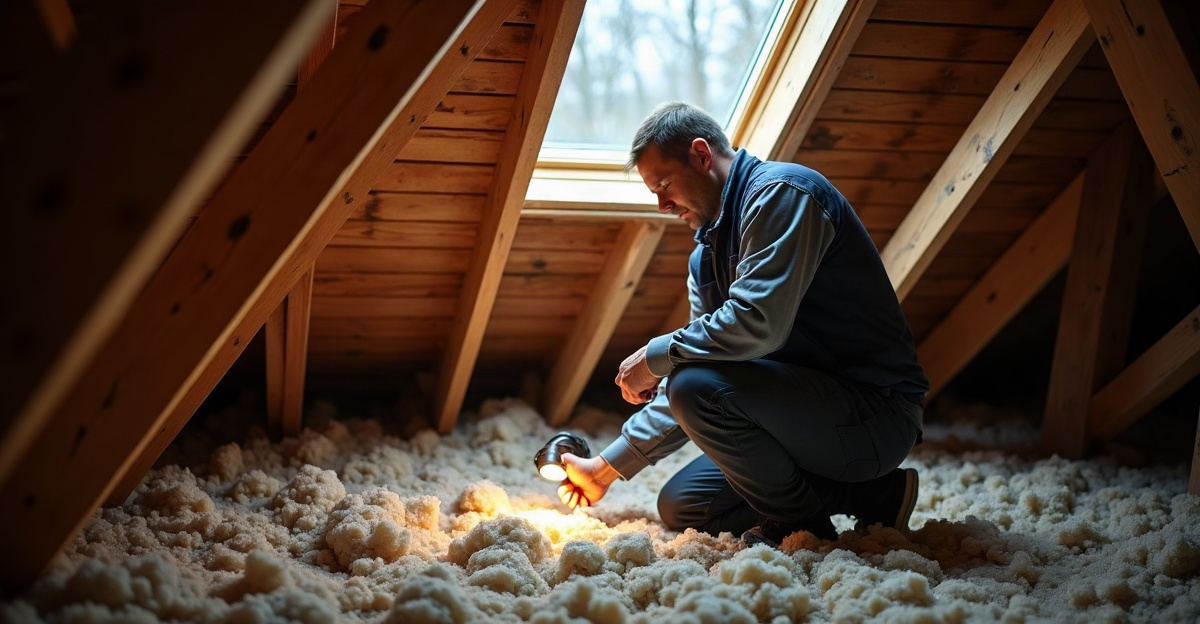
During an inspection, contractors evaluate current insulation levels, attic ventilation, roof deck design, and access limitations. We also confirm R-value targets appropriate for Arizona’s desert climate.
Clear communication matters. Property owners should ask:
- What thickness is included in the quote?
- Is pricing based on board feet or square feet?
- Does the estimate include removal and disposal?
- Is the proposal for open-cell or closed-cell foam, and what is the reason for that choice?
Strong contractors explain each step clearly. We prioritize honest assessments and quality workmanship. Pricing should reflect realistic material volumes and site conditions, not vague averages.
For the most accurate spray foam insulation cost, request a project-specific evaluation through the contact page. A detailed estimate provides clarity, aligns expectations, and ensures the insulation system matches Arizona performance demands.