Signs Your Home Has Poor Insulation
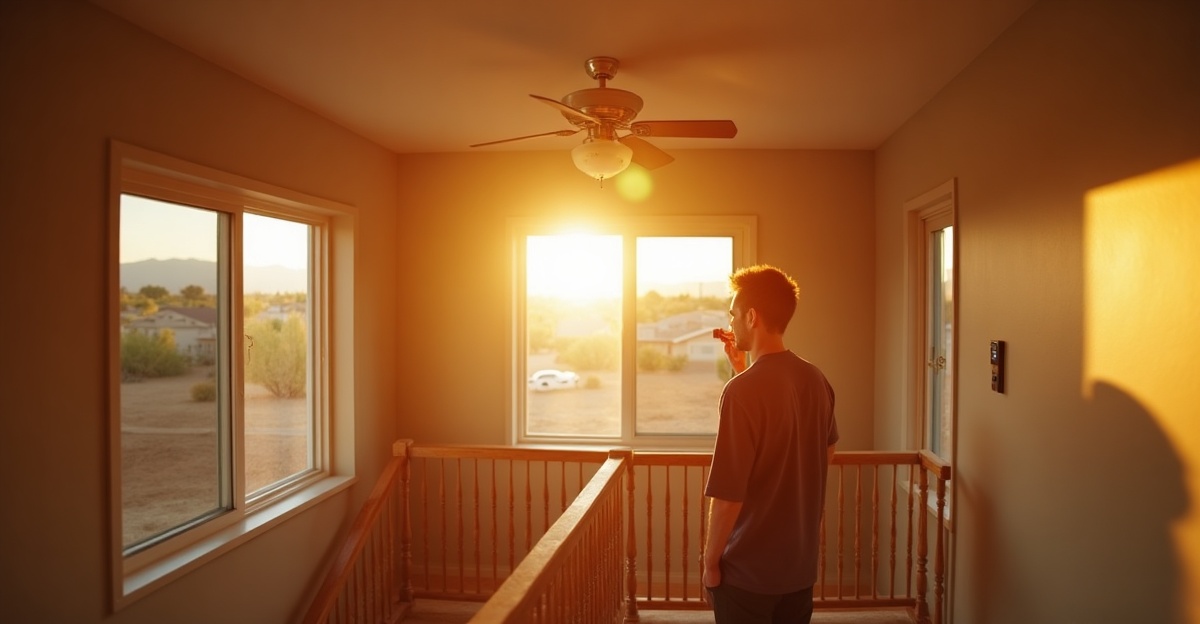
Clear signs of poor insulation in Arizona homes show up as uneven room temperatures, hot ceilings, rising cooling costs, and HVAC systems that run nonstop during extreme summer heat. Attic temperatures often push past 140°F, and shallow insulation, gaps in coverage, or weak air sealing let that heat move into living spaces fast. Comfort drops. Efficiency follows.
Key Takeaways
- Uneven room temperatures, especially in upstairs areas, signal attic heat gain and weak insulation performance. We often see this in homes where attic insulation lacks depth or consistent coverage.
- High energy bills without major lifestyle changes point to insulation and air sealing issues that raise cooling demand. If usage stays the same but costs climb, we look at the building envelope first.
- Drafts, warm walls or ceilings, and constant HVAC operation reveal gaps in the home’s shell and air leakage. We treat these as performance red flags that need prompt evaluation.
- Older insulation turns thin, settles, compresses, or suffers damage over time, which lowers its effective R-value and thermal resistance. Age alone can justify an inspection.
- A professional insulation inspection or energy audit separates insulation problems from duct leakage or aging HVAC equipment. We rely on testing, not guesswork, to pinpoint the root cause and recommend the right fix.
The Most Common Warning Signs Homeowners Notice First
Clear signs of poor insulation usually show up as day-to-day discomfort. Most homeowners notice comfort problems before they think about insulation. In Arizona homes, those patterns often point back to attic heat and uncontrolled air movement.
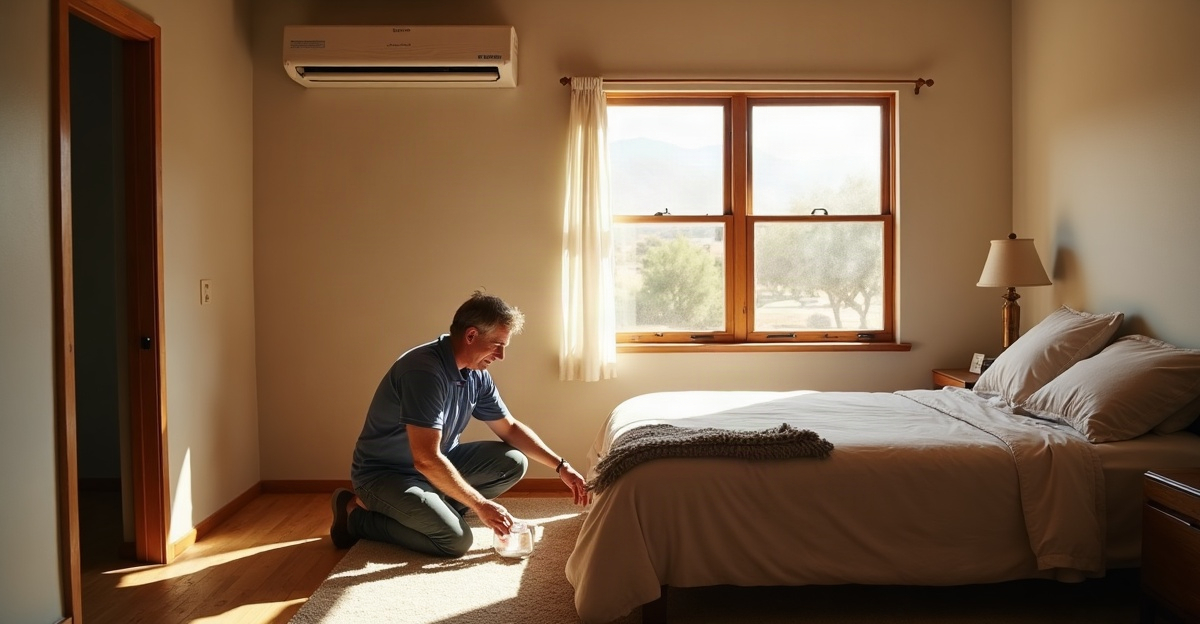
Uneven room temperatures are one of the most common clues. Some rooms feel comfortable while others are consistently warmer, especially upstairs bedrooms or spaces directly under the attic. These temperature differences become more noticeable during long summer stretches.
High utility costs are another red flag. Rising cooling expenses without major lifestyle changes often top the list of high energy bills causes. If usage habits stay consistent but monthly bills climb year over year, home insulation issues may be part of the problem.
An HVAC system that seems to run constantly during peak summer months also deserves attention. If the system struggles to maintain set temperatures, insulation may not be slowing heat gain effectively.
Other everyday symptoms include:
- Drafts near windows, doors, outlets, or attic access points
- Hot ceilings or warm walls in the afternoon
- Floors that feel noticeably warmer in certain rooms
- Older homes, 15–30+ years old, with little or no insulation upgrades
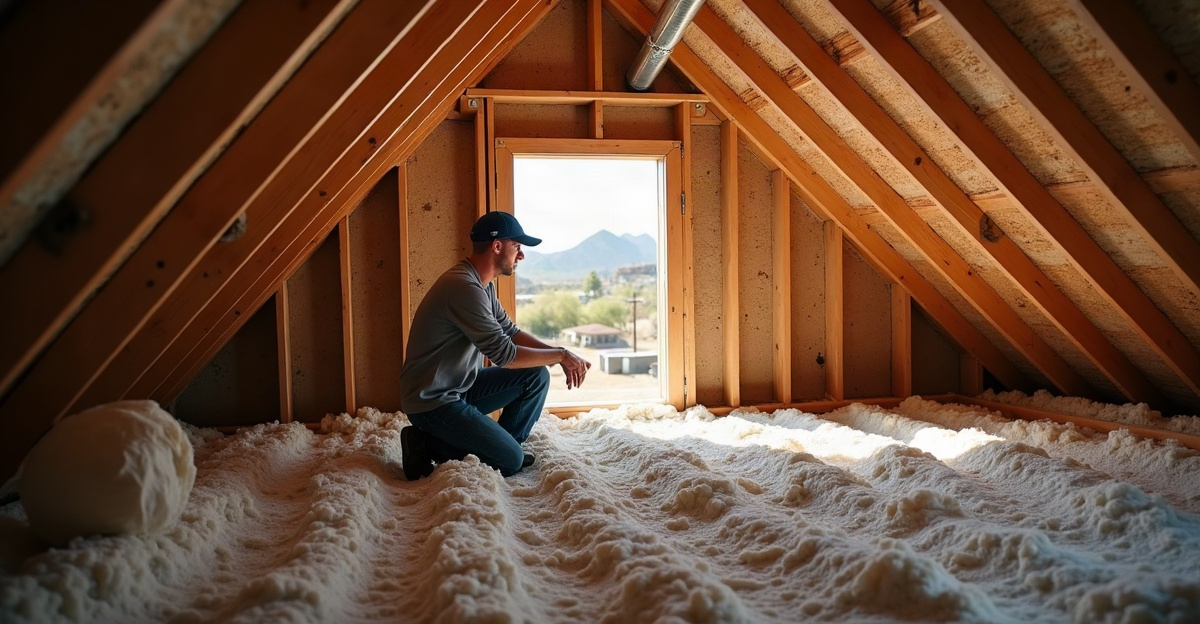
Arizona’s climate amplifies these issues. With Arizona attic temperatures exceeding 140°F in summer, heat pushes down into living spaces. Without adequate insulation, that heat transfers quickly into conditioned areas.
If several of these signs appear together, it’s worth reviewing common signs your home needs retrofit insulation to see how closely the symptoms match.
Why Uneven Room Temperatures and Hot Ceilings Happen in Arizona Homes
Uneven room temperatures usually trace back to basic thermal transfer. Heat always moves from hotter areas to cooler ones. In a cooling-dominant climate like Arizona, the attic becomes the hottest zone in the house. That attic heat gain increases the load on the living space below.
When attic temperatures exceeding 140°F push against ceilings, insulation is the primary barrier slowing thermal transfer. If insulation R-values are too low, compressed, or inconsistent across the attic floor, heat flows into rooms more easily.
Excessively hot ceilings often signal one or more of the following:
- Insufficient insulation depth
- Gaps around corners or eaves
- Settled or deteriorated material
- Incomplete coverage around duct chases or attic access points
Air leakage makes matters worse. If gaps exist around recessed lights, attic hatches, or wall penetrations, warm attic air can move directly into the home. Insulation and air sealing work as a system. When one is missing, uneven temperatures become more pronounced.
That said, insulation is not the only variable. Poor duct layout, leaky ducts routed through hot attics, aging HVAC equipment, or heavy solar gain through windows can also create hot and cold spots. A proper evaluation separates insulation R-values issues from mechanical or design problems.
High Energy Bills Causes: Is Insulation the Problem?
High cooling costs have several contributing factors. High energy bills causes often overlap, which makes accurate diagnosis important.
In many Arizona homes, poor insulation forces the HVAC system into longer run cycles. Extended summer seasons increase cooling demand, and attic heat transfer compounds the strain. When insulation fails to slow heat movement, the system works harder to maintain set temperatures. That’s when homeowners notice the HVAC running constantly.
Insulation, however, is only one part of overall energy efficiency. Other contributors may include:
- Duct leakage in hot attics
- Aging or poorly maintained HVAC equipment
- Air leaks around penetrations and framing
- Single-pane windows
- Limited exterior shading
- Occupant behavior and thermostat settings
Upgrading insulation does not guarantee a fixed percentage of savings. Energy performance depends on overall building condition. Still, improving attic insulation and air sealing often reduces cooling demand in homes where insulation is thin or degraded.
Homeowners comparing system options often explore batt insulation vs. blow-in insulation to understand which approach better addresses gaps and uneven coverage.
For homes with major air leakage concerns, spray foam may provide both insulation and added air sealing in targeted locations.
When older materials underperform, retrofit insulation upgrades can bring insulation levels closer to modern standards. The goal is steady improvement in comfort and efficiency, not quick promises.
Drafts, Air Movement, and an Overworked HVAC System
Drafts signal air leakage. Even in hot climates, noticeable air movement near baseboards, outlets, attic hatches, or recessed lighting points to gaps in the building envelope.
Air leakage allows conditioned air to escape while hot attic air enters. This movement worsens home insulation issues by reducing the effectiveness of attic insulation. Insulation slows conductive heat flow, but it does little to stop moving air unless paired with proper air sealing.
An HVAC system that “never shuts off” may be responding to ongoing heat gain. If warm air continuously enters through ceiling penetrations or poorly sealed attic access points, the system must compensate. Over time, this increases wear and can shorten equipment lifespan.
Mechanical factors still matter. Undersized units, refrigerant problems, or failing components can also cause an HVAC system to run constantly. Both insulation and mechanical systems should be evaluated before assuming one is solely responsible.
Improving attic insulation while coordinating with air sealing services provides a more complete solution. When both elements work together, temperature swings and drafts typically improve.
Older or Degraded Insulation: What to Look for in the Attic
Many Arizona homes built 15–30+ years ago still rely on original insulation. Over time, materials settle, compress, or deteriorate. Reduced thickness directly lowers insulation R-values and overall performance.
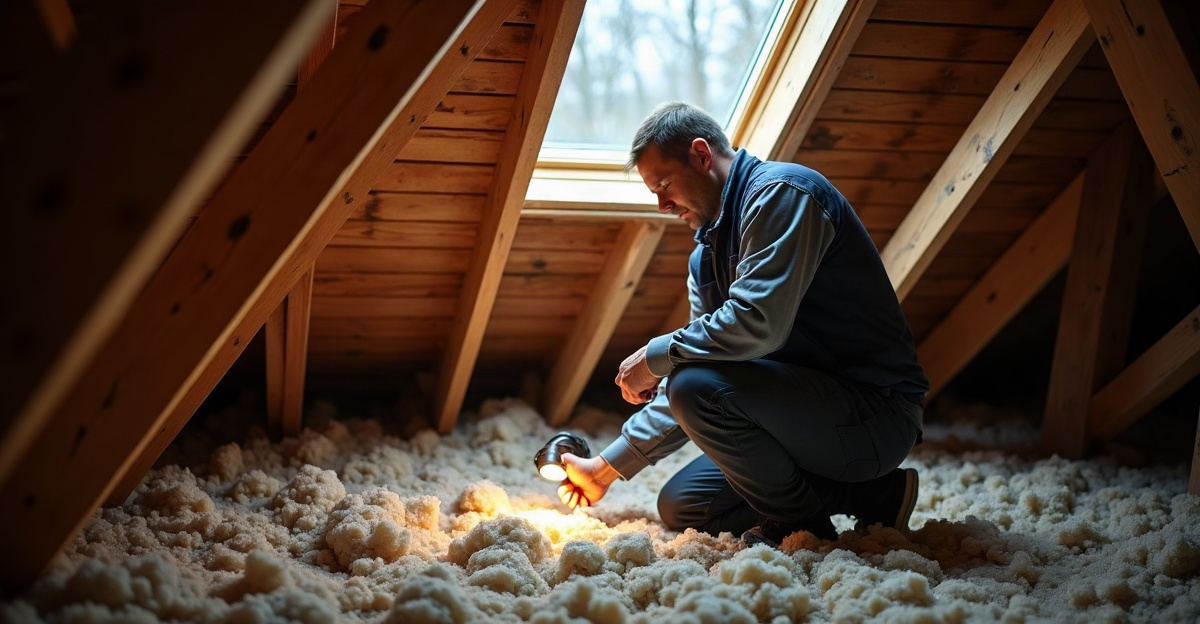
For those asking, “how do I know if my attic insulation is bad,” a careful visual inspection can reveal early clues. When safe, look for:
- Insulation that appears thin or uneven
- Visible ceiling joists, indicating low coverage depth
- Dark or dusty areas that suggest air movement
- Signs of moisture damage or pest activity
- Compressed or matted batts
Settled insulation may no longer meet recommended R-values for Arizona homes. In some cases, contamination from pests or moisture makes insulation removal necessary before upgrading.
Older batt systems often develop gaps and compression issues over time. Reviewing common problems with old batt insulation helps explain why performance declines even when insulation remains in place.
Attic insulation upgrades, whether through additional blown-in material or selective replacement, can restore consistent coverage and improve thermal control across the ceiling plane.
When to Consider an Inspection or Energy Audit
When multiple signs of poor insulation appear together—uneven room temperatures, high energy bills, drafts, and HVAC strain—a professional evaluation becomes a practical next step.
Recommended actions include:
- Scheduling a professional insulation inspection
- Requesting a broader energy audit for whole-house performance
- Evaluating retrofit insulation options where needed
- Improving air sealing alongside insulation upgrades
A full assessment distinguishes insulation deficiencies from duct leakage or aging equipment. That prevents unnecessary HVAC replacements and directs upgrades where they matter most.
Homeowners frequently ask, can poor insulation cause high electric bills? Yes, it can. It remains one of several potential contributors to high energy bills causes.
Another common question is whether insulation or HVAC is the real issue. In many cases, both systems interact. Poor insulation increases demand on equipment, and aging equipment struggles even if insulation performs well. Accurate diagnosis ensures balanced improvements.
For areas requiring targeted air control and higher thermal resistance, spray foam insulation may be appropriate. In other cases, traditional attic upgrades under a broader residential insulation service provide consistent long-term performance.
The goal is steady improvement in comfort, energy efficiency, and long-term durability. Careful evaluation and well-planned upgrades produce measurable results without guesswork.