Signs You Need New Insulation in Your Arizona Home
Arizona’s extreme heat, intense solar gain, and wide temperature swings demand high-performing insulation. We often see clear warning signs long before visible damage appears. Rising energy bills, uneven indoor temperatures, overworked HVAC systems, and aging attic materials usually point to a declining R-value and weakened thermal control in Arizona homes.
Homeowners sometimes blame their air conditioner first. In many cases, insulation causes the strain. Our team helps identify these issues early so homes stay efficient and protected year-round.
Key Takeaways
- Steadily increasing energy bills and HVAC systems running constantly often signal insulation performance loss rather than equipment failure.
- Uneven temperatures, hot ceilings, drafty rooms, and overheated upper floors commonly point to inadequate or settling attic insulation.
- Visible attic issues such as low insulation depth, exposed joists, compressed material, dust buildup, or moisture staining indicate reduced effectiveness.
- Insulation can degrade over time due to settling, compression, dust accumulation, or moisture, lowering its ability to resist heat transfer.
- A professional attic inspection helps distinguish insulation deficiencies from HVAC or window problems and guides decisions on air sealing, duct sealing, or retrofit upgrades.
Rising Energy Bills and Persistent Comfort Problems in Extreme Arizona Heat
Arizona homes operate under constant thermal pressure. Extreme summer heat, intense solar radiation, blowing dust, monsoon humidity, and wide day-to-night temperature swings all place steady stress on roofing systems, insulation, and ductwork. Insulation performance matters here because it slows heat transfer into living spaces and reduces the cooling load on the HVAC system.
One of the most common signs you need new insulation is a noticeable increase in energy bills without major changes in lifestyle. Seasonal utility spikes are normal during peak summer months. However, steep or steadily rising costs combined with comfort complaints often point to insulation performance loss.
Other clear warning signs include:
- HVAC systems that run almost nonstop during the day.
- Frequent short cycling at night.
- Indoor temperatures that feel unstable even though the thermostat is set correctly.
When insulation loses effectiveness, heat enters the home faster. The HVAC system has to work harder and longer to maintain set temperatures. Over time, this increases wear on equipment and drives up operating costs.
Insulation upgrades don’t guarantee a specific dollar savings. They do, however, support more consistent comfort, reduce HVAC strain, and improve overall system efficiency when properly installed. For many homeowners, these practical improvements are what matter most.
Those researching broader signs of poor insulation often start with energy bills and temperature control issues. These early indicators deserve attention before the problem compounds.
Uneven Temperatures, Hot Ceilings, and Drafty Rooms
Comfort inconsistencies inside the home are among the most recognizable signs you need new insulation. Arizona’s intense solar gain places heavy radiant heat loads on the roof, especially during summer afternoons.
Common indoor symptoms include:
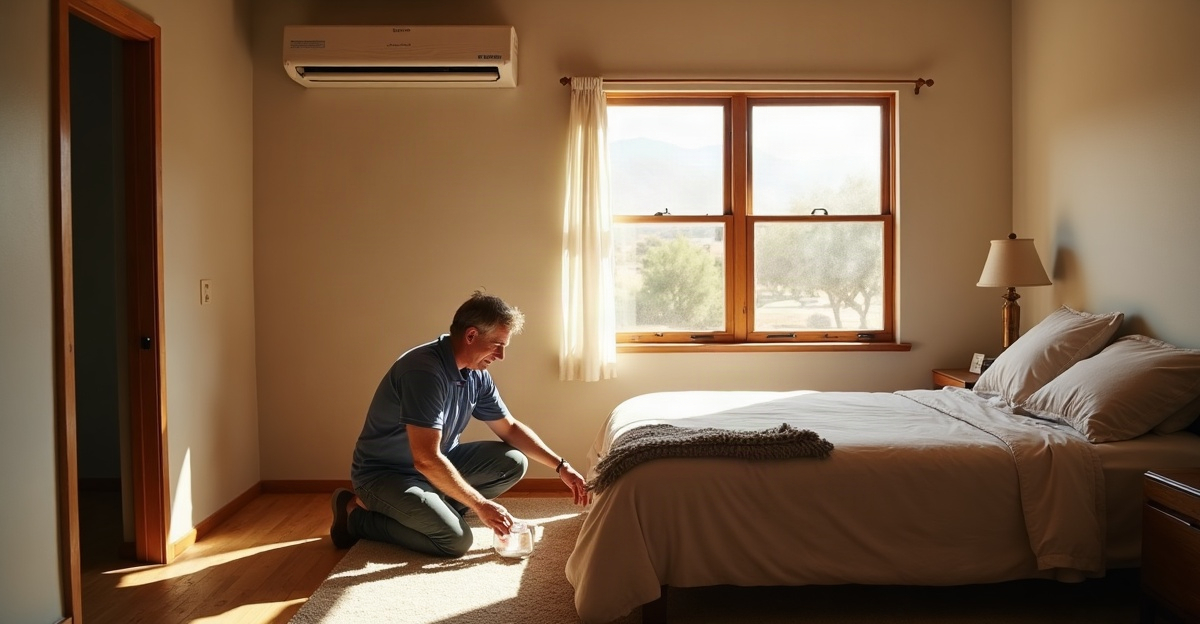
- Bedrooms that stay significantly hotter than the rest of the house.
- Upper floors that feel muggy or stuffy even with air conditioning running.
- Ceilings that seem to radiate heat in the late afternoon.
- Drafty rooms despite closed doors and windows.
- Walls or floors that feel warm to the touch.
Radiant heat from the sun heats roofing materials throughout the day. If attic insulation is thin, compressed, or uneven, that heat transfers into living areas faster than it should. Quality insulation slows that transfer. Insufficient coverage allows thermal gain to move through ceilings and walls more easily.
These performance gaps often mimic HVAC or window problems. A homeowner may service the AC unit or replace windows and still experience uneven temperatures. If heat patterns correspond with roof exposure or upper-level rooms, insulation becomes a likely contributor.
In older Arizona homes, settling and aging materials frequently reduce thermal resistance. Many properties benefit from reviewing signs your home needs retrofit insulation before assuming the equipment is at fault.
Clear Signs You Need New Attic Insulation
The attic is the primary barrier between extreme outdoor heat and conditioned indoor space. Several attic-specific red flags indicate signs you need new attic insulation.
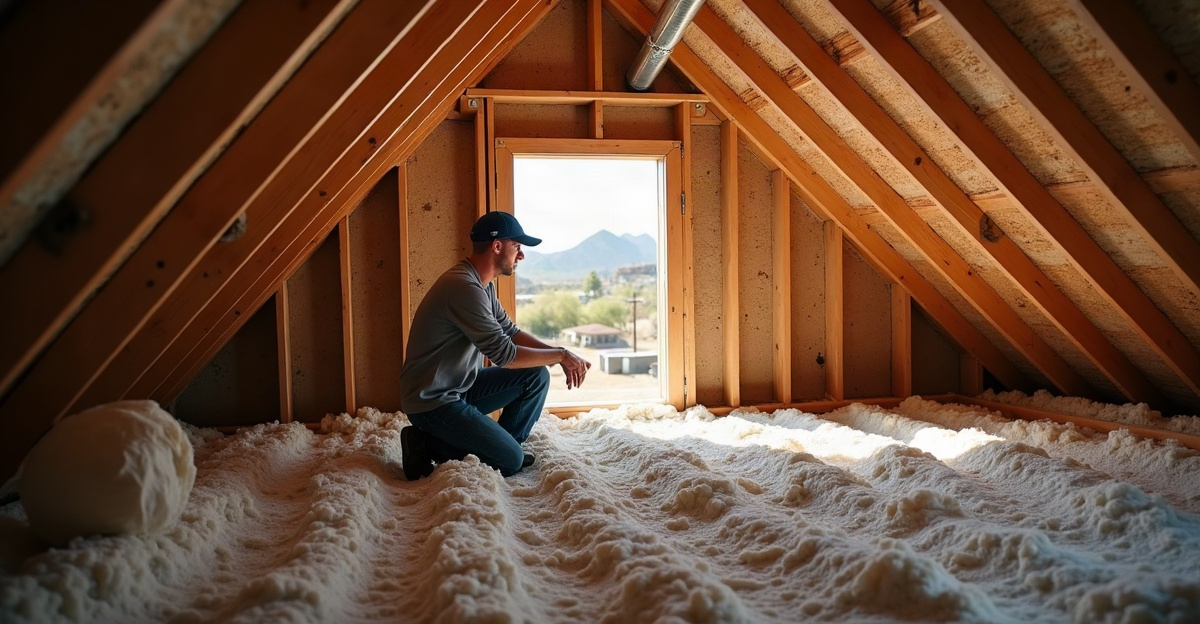
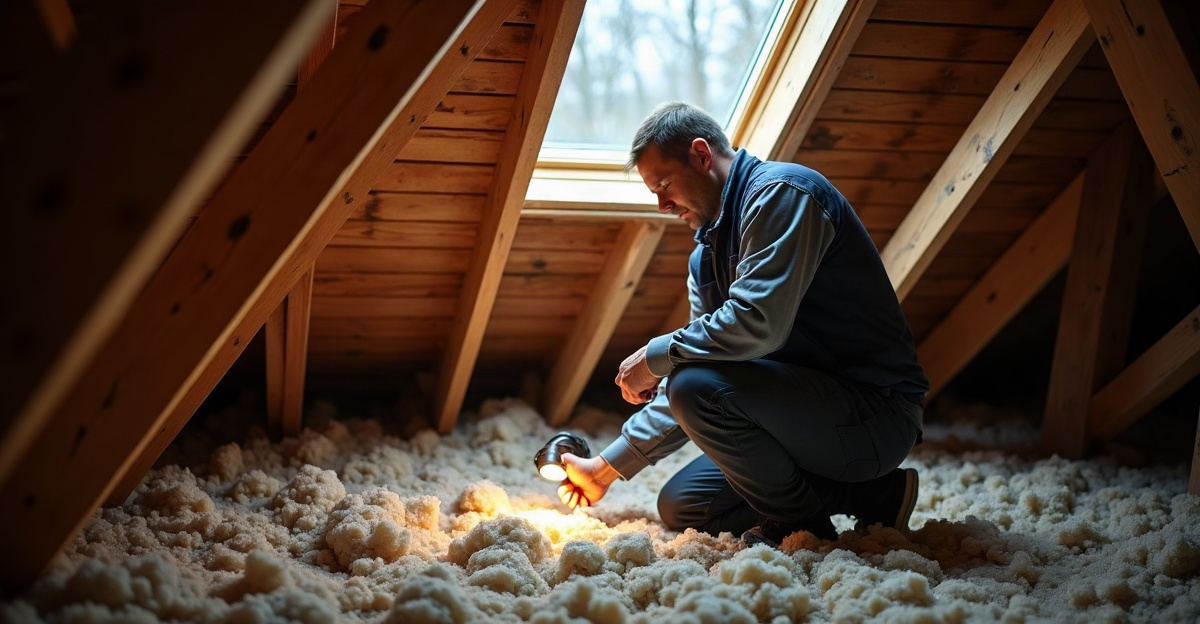
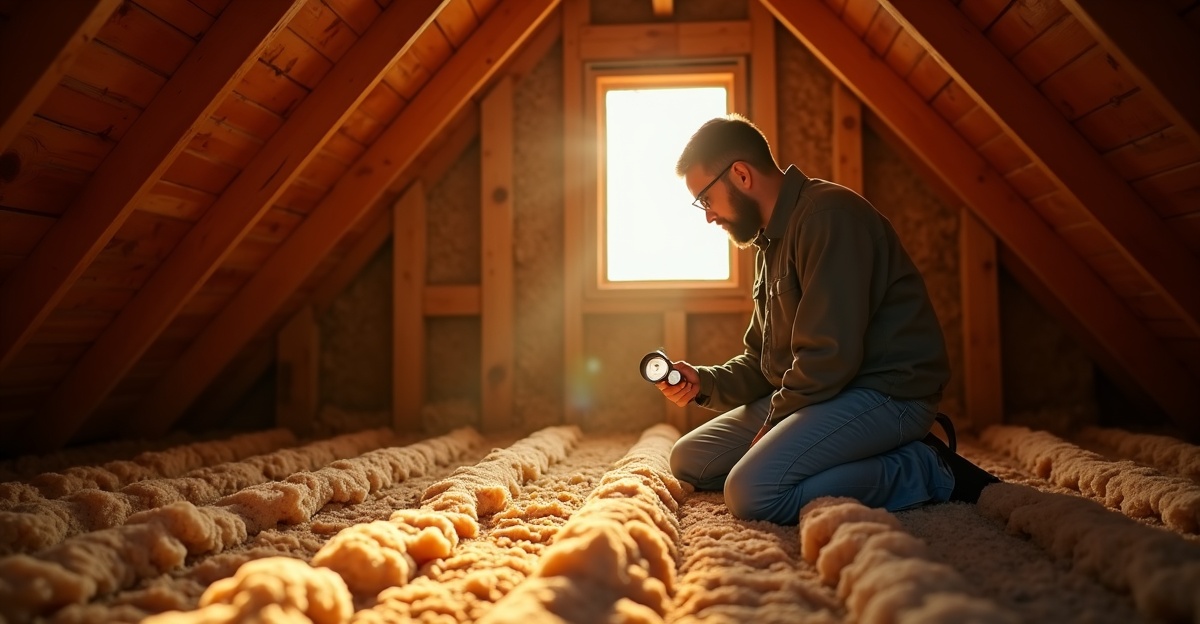
From a safe visual check at the attic hatch, we often see:
- Insulation depth low enough to expose the tops of ceiling joists.
- Uneven coverage or visible gaps around ductwork and recessed lighting.
- Compressed, matted, or disturbed material.
- Heavy dust buildup.
- Moisture staining after monsoon season.
- Evidence of pest tunneling or nesting.
Blown-in insulation can settle over time, reducing its effective thickness. Fiberglass batts may shift or compress. Excessive dust, common in Arizona, can also reduce performance by filling air pockets that help resist heat flow.
Attic conditions directly impact HVAC efficiency. In many homes, ductwork runs through the attic. When attic temperatures soar, inadequately insulated ducts absorb radiant heat. The cooling system then works harder to offset that gain. Poor attic insulation combined with air leakage or duct leakage compounds energy loss.
Ventilation also plays a role. Proper airflow helps reduce extreme heat buildup under the roof deck. Insulation and ventilation must work together. Adding insulation without addressing ventilation or air sealing can limit results.
We recommend homeowners restrict inspections to safe, accessible areas near the attic opening. Deeper evaluation requires professional assessment to identify air leaks, thermal bypasses, and duct issues accurately.
How Insulation Performance Changes Over Time
Insulation does not remain static throughout the life of a home. Performance can decline gradually due to age, movement, and environmental exposure.
Blown-in materials may settle or shift, lowering overall depth. Fiberglass batts often become compressed, especially around wiring or plumbing runs. Dust accumulation reduces effectiveness in arid regions like Arizona. Occasional monsoon moisture can damage or degrade certain materials if roof leaks are present.
R-value measures resistance to heat flow. As insulation loses thickness or becomes compressed, its R-value effectively drops. Lower resistance means faster heat transfer into the home.
Homeowners often ask whether insulation can “go bad.” In practical terms, yes. While many materials are long-lasting, they can degrade, move, collect dust, or suffer moisture damage that reduces performance.
Questions about replacement timelines are common. For context, we often refer homeowners to guidance on how often attic insulation should be replaced to understand realistic maintenance cycles in Arizona climates.
Upgrading insulation in older homes is frequently worthwhile, especially when persistent comfort issues exist. In some cases, a full removal and replacement makes sense. In others, adding new material over existing insulation restores adequate R-value. Addressing air leaks during the process often produces meaningful improvements.
Understanding common problems with old batt insulation can also clarify whether performance loss stems from compression, displacement, or general aging.
Distinguishing Insulation Problems from HVAC or Window Issues
Insulation deficiencies and mechanical problems can produce similar symptoms. Misdiagnosis leads to unnecessary repairs and missed root causes.
Insulation is a likely contributor when:
- Uneven temperatures persist after HVAC servicing.
- Windows have been upgraded but rooms still overheat in the afternoon.
- Multiple rooms show heat gain patterns consistent with roof exposure.
HVAC units cool air. Insulation slows heat entry. If the building envelope allows significant heat transfer, even a properly functioning AC system will struggle to keep up.
Air sealing and duct leakage further complicate performance. Small gaps around attic penetrations allow conditioned air to escape and hot attic air to enter. Leaky ducts in high-heat attics amplify energy loss. Addressing insulation without sealing air pathways can limit overall gains.
We avoid broad, one-size-fits-all claims. Arizona’s climate, roof design, home orientation, and construction quality all influence results. Performance improvements vary by structure. Careful evaluation ensures that insulation upgrades align with actual building conditions rather than assumptions.
For those comparing materials, reviewing the best insulation for Arizona homes helps frame decisions around climate performance rather than product preference alone.
Practical Next Steps: Inspection, Evaluation, and Retrofit Options
Clear next steps help avoid guesswork.
First, schedule a professional attic inspection. A qualified team can measure insulation depth, assess coverage, identify air leaks, and inspect duct conditions safely. Broader energy audits may further evaluate thermal performance and air leakage paths.
When deficiencies are confirmed, options may include:
- Adding insulation through blown-in insulation services.
- Air sealing attic penetrations.
- Duct sealing to reduce leakage.
- Targeted removal and replacement where materials are damaged.
- Full retrofit insulation services for older homes.
For comprehensive upgrades, our residential insulation services address attics, walls, and other thermal boundaries with a long-term performance focus.
Upgrades improve comfort consistency and help reduce HVAC workload. Results depend on the home’s age, layout, and overall condition. Quality installation and proper material selection matter.
Homeowners ready to move from research to action can connect directly through our contact page to schedule an evaluation. Practical improvements begin with accurate assessment and dependable workmanship.