Can You Over Insulate an Attic: What You Should Know?
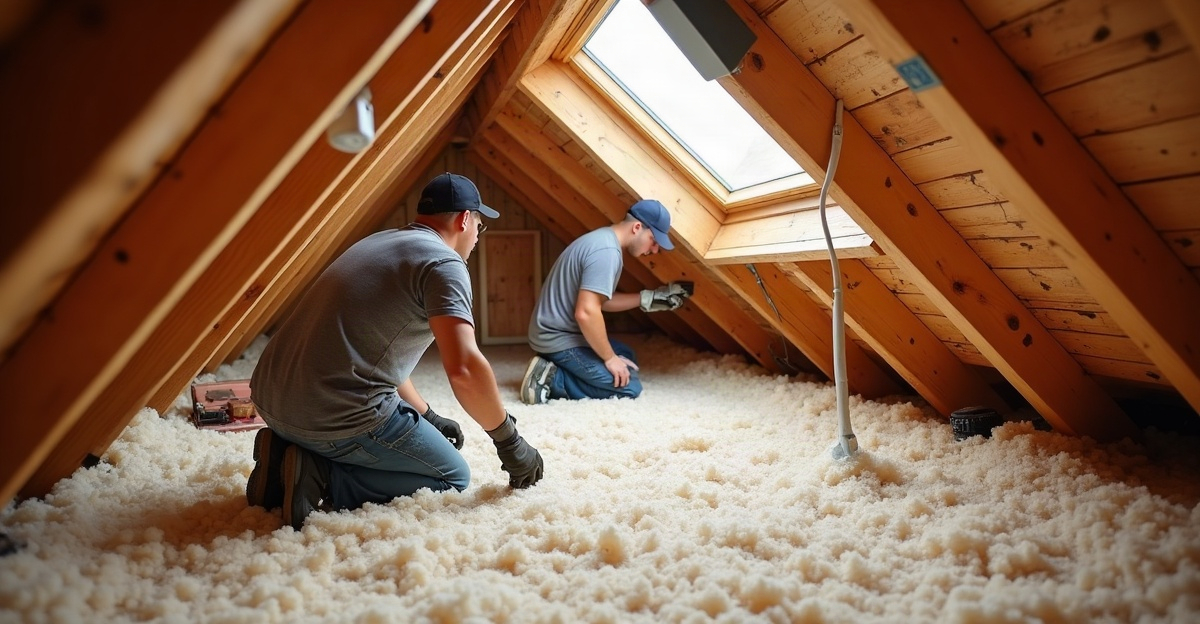
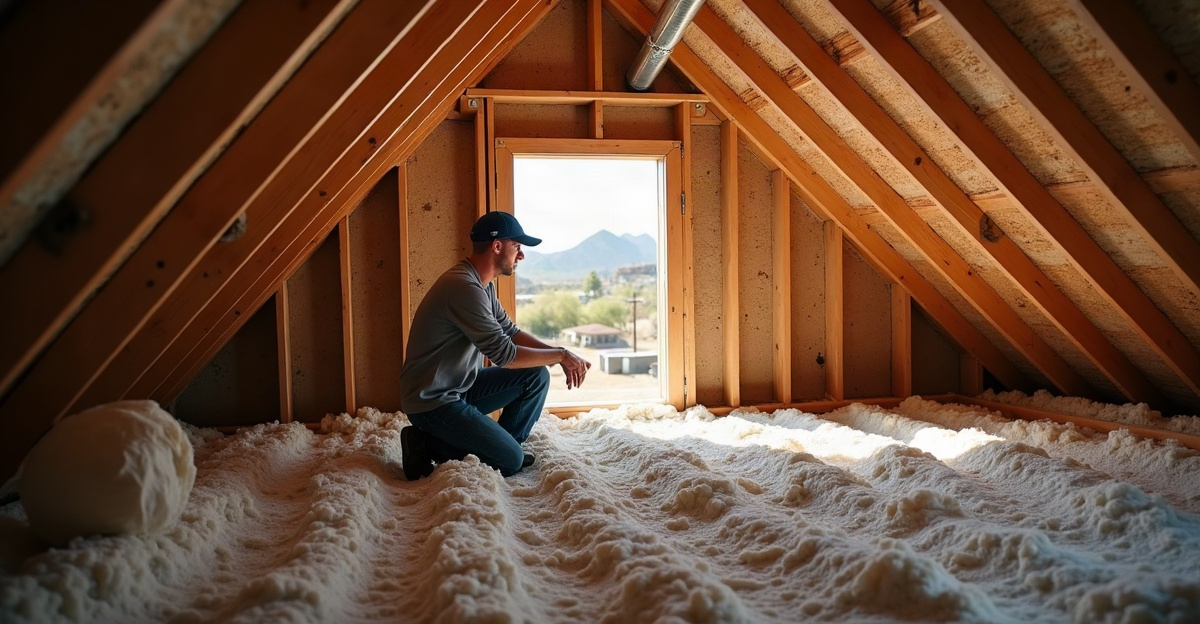
We can over-insulate an attic. Problems usually arise when added insulation blocks ventilation, covers parts that need clearance or access, hides moisture or duct defects, or conflicts with the attic’s design. Arizona homes need an attic plan that accounts for total R-value, air sealing, duct condition, ventilation paths, insulation type, and local code requirements.
Key Takeaways
- More insulation does not always improve results; the right amount depends on material R-value, existing coverage, attic design, and local requirements.
- We recommend air sealing ceiling-plane gaps and repairing duct leaks before or during an insulation upgrade.
- Vented attics need clear soffit vents and eave airflow paths; baffles keep these ventilation channels open.
- Compressed, wet, contaminated, or incorrectly installed insulation can lose performance and conceal roof leaks, wiring issues, pest damage, or moisture concerns.
- Spray foam, blown-in insulation, and batts support different attic assemblies, so we match the material to the roofline, duct location, and ventilation plan.
The Short Answer: Yes, but the Issue Is Usually Installation, Not Insulation Alone
Yes, an attic can have problems related to excessive or improperly installed insulation, but the issue is rarely simply having “too much” insulation. The right amount depends on R-value, material, attic design, ventilation strategy, air sealing, and safety details.
Insulation generally helps when we select it correctly and install it to an appropriate R-value. R-value measures how well insulation resists heat flow. A higher R-value generally provides greater resistance to heat transfer.
Still, “more insulation is always better” oversimplifies the job. Problems usually result from blocked ventilation, hidden moisture or electrical issues, compressed material, unsafe clearances, or missed air leaks and duct defects. So, can you over insulate an attic? Yes, if added material interferes with the attic’s systems or conceals conditions that need repair.
Recommendations should reflect total R-value, insulation type, existing material, local code, attic assembly, and Arizona climate conditions. There is no universal number of inches that suits every home. Cooling costs and comfort also depend on duct condition, HVAC efficiency and sizing, roof exposure, windows, thermostat settings, air leakage, occupancy, and installation quality.
How Much Attic Insulation Is Enough in Arizona?
Arizona attics face intense sun, extreme summer heat, and long cooling seasons. Many homes also have HVAC ducts in the attic, where heat exposure can increase cooling losses and make upper rooms harder to keep comfortable.
Insulation depth alone does not define performance. Products deliver different R-values per inch, so two attics with the same insulation depth may perform differently. Before selecting a target, we recommend confirming current guidance from ENERGY STAR, the U.S. Department of Energy, the International Energy Conservation Code, and applicable local Arizona building requirements. Requirements can vary by city or county, so code-related decisions should always be confirmed with the local jurisdiction.
A vented attic commonly places insulation at the attic floor, also called the ceiling plane. Soffit or eave airflow paths must remain open. A conditioned or unvented attic typically places insulation along the roofline. That assembly uses very different design details and may involve spray foam or other approved materials.
Every attic does not need the same intake and exhaust ventilation layout. Ventilation also cannot correct every heat or moisture concern. Before adding material, we assess current R-value, insulation condition, air leakage, ducts, moisture history, and attic design. Our residential insulation services help identify the right approach for the existing home rather than relying on a standard depth alone.
Why Air Sealing, Ventilation, and Ductwork Matter Before Adding More
Insulation slows conductive heat transfer through building materials. Air sealing reduces unwanted air movement through gaps in the ceiling plane, around penetrations, and through duct leaks. Both steps matter, but insulation cannot fully compensate for major air leaks.
Common attic-floor leaks occur around plumbing, wiring, top plates, attic hatches, recessed fixtures, ceiling penetrations, and duct boots. Hot attic air can move through these openings into living areas and raise cooling demand.
Ductwork also deserves close attention. Disconnected, crushed, leaking, or poorly insulated ducts can cause significant comfort issues before insulation becomes the main concern. In many retrofit projects, duct repairs and air sealing should happen before insulation installation.
Arizona’s dry climate reduces some moisture exposure, but it does not eliminate moisture risks. Roof and plumbing leaks, duct condensation, bathroom exhaust problems, and indoor air leakage can still wet attic materials. In a vented attic, insulation must not cover soffit vents or spill into eaves. Proper baffles or ventilation chutes help preserve intended airflow.
For homes with uneven existing coverage, our retrofit insulation services can address insulation upgrades while accounting for the attic’s ducts, access points, and ventilation paths.
When Too Much or Poorly Installed Insulation Becomes a Problem
Additional insulation becomes ineffective or harmful when it blocks soffit vents, settles unevenly, becomes compressed, or experiences wind washing. Loose-fill material can also bury recessed lights, electrical junction boxes, fans, or components that require access and clearance.
Clearances are especially important around non-IC-rated recessed fixtures, chimneys, flues, vents, and other heat-producing equipment. We recommend a qualified professional whenever fixture ratings, wiring condition, combustion safety, ventilation design, or required clearances are unclear.
Insulation can also conceal roof leaks, pest damage, rodent contamination, damaged wiring, and existing moisture conditions. Adding material before repairing disconnected ducts or duct leaks can leave the underlying problem in place. Material choice must also fit the roof and attic assembly.
Weight can matter in unusual retrofit conditions. If framing, ceiling drywall, or attic-floor capacity is uncertain, we need to evaluate the structure before adding substantial material. Attics also present physical hazards. We should not walk between ceiling joists. Use appropriate walk boards only when conditions permit, and take care around exposed wiring, pest waste, sharp objects, unstable surfaces, and limited access.
Older homes may contain asbestos-containing materials or vermiculite insulation. Qualified professionals should evaluate suspected materials before disturbance.
Can too much attic insulation cause mold? Insulation does not usually create mold by itself. However, it can conceal wet materials or contribute to problems if moisture sources, air leaks, ventilation design, or roof leaks remain unaddressed.
Common Attic Insulation Types and the Right Application for Each
No insulation type is automatically best for every Arizona attic. The right choice depends on attic design, existing materials, access, duct location, safety details, budget, and local requirements.
| Insulation material | Typical performance characteristics | Installation considerations | Effect on ventilation strategy | Common attic applications | When professional installation is recommended |
|---|---|---|---|---|---|
| Fiberglass batts | Effective when fitted without gaps or compression. | Must fit around obstructions and maintain full thickness. | Used at the attic floor in vented assemblies without blocking eaves. | Accessible attic floors. | For irregular framing, electrical concerns, or large upgrades. |
| Blown-in fiberglass | Provides even coverage across large areas. | Protect soffits, access points, and required clearances. | Usually supports a vented attic-floor approach. | Adding coverage over existing attic-floor insulation. | Recommended for consistent depth and safe detailing. |
| Blown-in cellulose | Creates dense, continuous coverage. | Evaluate weight, moisture history, and proper depth. | Requires protected soffit pathways in vented attics. | Attic-floor upgrades and retrofit work. | Recommended when moisture, weight, or access concerns exist. |
| Spray foam | Can support insulation and air-control functions in approved assemblies. | Requires careful roof-assembly design and code compliance. | Changes the ventilation and roof-assembly strategy. | Conditioned or unvented attic rooflines. | Professional installation is essential. |
| Rigid foam | Useful in specific roofline and retrofit assemblies. | Must address fire protection, moisture, and material compatibility. | Depends on the full roof-assembly design. | Selected roofline or retrofit applications. | Recommended for all attic roof-assembly applications. |
Fiberglass batts remain practical in accessible spaces, provided they are not compressed or poorly fitted. Review batt insulation thickness before selecting material depth. For broad attic-floor coverage, blown-in insulation often provides a dependable upgrade when installed with protected eaves and clear access points.
Can we put too much blown-in insulation in an attic? Yes. It can create problems if it blocks soffit ventilation, buries components needing access or clearance, conceals defects, or adds material without confirming structural and attic-system conditions.
Is spray foam better than blown-in insulation for an Arizona attic? It depends on whether the attic is vented or conditioned, the roof assembly, duct location, budget, and local code requirements. Spray foam should not be treated as a simple substitute for adding loose-fill insulation at a vented attic floor. Our spray foam insulation work begins with the full attic and roof assembly, not material choice alone.
Signs Your Attic Needs an Assessment and What to Do Next
Signs Your Attic May Need an Assessment Before More Insulation
We recommend an attic assessment when any of these conditions are present:
- Insulation covers soffit vents or spills into eaves.
- Rooms have uneven temperatures or upper floors stay persistently hot.
- Summer cooling bills remain high despite a functioning HVAC system.
- Roof staining, damp insulation, musty odors, or mold signs are visible.
- Pests or rodents have contaminated attic materials.
- Insulation is damaged, compacted, wet, or uneven.
- Wiring is exposed or questionable, or older recessed lights, flues, or chimneys are present.
- Ducts are disconnected, crushed, leaking, or poorly insulated.
- A roof replacement, attic conversion, HVAC replacement, or major retrofit is planned.
Add insulation when the existing material is below the desired R-value and the attic is dry, safe, air-sealed as appropriate, and maintains clear ventilation pathways. Air seal first, or alongside insulation work, when obvious ceiling-plane openings, duct leaks, and gaps around plumbing, wiring, top plates, hatches, and fixtures are present.
Repair moisture or roof issues first when insulation is wet, stained, mold-affected, or masking active leaks. Remove and replace insulation when rodents have contaminated it, water has heavily damaged it, mold has affected it, or it is severely compressed and unsuitable for reuse. Our guide on replacing attic insulation explains common conditions that warrant removal.
Should attic insulation cover soffit vents? No. In a vented attic, soffit and eave airflow pathways must remain open. Is air sealing more important than adding insulation? Both matter, but obvious air leaks should often be addressed before or during insulation improvements. Should old insulation be removed before adding new material? Not always. Removal is generally appropriate when insulation is contaminated, heavily water-damaged, mold-affected, severely compressed, or unsuitable for reuse.
If uncertainty remains over whether an attic needs more insulation, air sealing, removal, or a ventilation review, Tightseal can assess current conditions and recommend an approach suited to the Arizona property. Contact Tightseal to arrange an assessment.