When to Replace Attic Insulation? Signs You Should Know
We determine whether attic insulation needs replacement by its condition, not its age. Wet, mold-affected, pest-contaminated, fire-damaged, or severely deteriorated insulation usually needs removal after we correct the source of the damage. Clean, dry insulation with thin or uneven coverage may only need air sealing and added insulation. Persistent hot rooms or high cooling demand call for a complete attic assessment. We inspect ducts, ventilation, and air leaks as part of that process.
Key Takeaways
- We recommend replacing attic insulation when it is wet, mold-affected, pest-contaminated, smoke- or fire-damaged, or heavily compressed, crumbling, or displaced.
- We correct roof leaks, plumbing leaks, condensation, ventilation problems, and pest activity before we install replacement insulation.
- We retain clean, dry insulation when possible. We improve its performance by air sealing ceiling gaps before adding insulation.
- Uneven temperatures and high cooling costs may point to insulation problems. Duct leaks, HVAC performance, roof conditions, and attic access leaks can also cause these issues.
- We recommend leaving suspected vermiculite, extensive mold, rodent-contaminated insulation, and fire-damaged material undisturbed. We schedule a qualified assessment before removal.
The Quick Answer: Replace, Add Insulation, Air Seal, or Schedule an Inspection
Attic insulation does not need replacement simply because it is old. We determine the right next step by checking its condition, cleanliness, dryness, depth, coverage, installation quality, and the issues affecting the attic.
We should replace insulation that is wet, mold-affected, pest-contaminated, heavily damaged, or exposed to fire, smoke, or soot. Clean, dry insulation with inadequate depth may stay in place. In many cases, air sealing followed by added insulation provides the right result without full removal.
| What we notice | Likely issue | Typical next step | When to call a professional |
|---|---|---|---|
| Wet, stained, musty, mold-affected, or pest-contaminated insulation | Roof leak, plumbing leak, condensation, pests, or ventilation concern | Find and correct the cause, then remove and replace affected insulation as needed | Call promptly. Contaminated or moisture-damaged insulation should not be handled casually. |
| Clean, dry insulation with low or uneven coverage | Settling, insufficient original installation, or missed attic areas | Air seal ceiling openings first, then supplement insulation | Call when depth, coverage, or the proper insulation type is unclear. |
| Intact batts with small gaps or displacement | Installation gaps, compression, or traffic through the attic | Reposition batts, restore full coverage, or add insulation where needed | Call if gaps are widespread or batts are damaged, wet, or contaminated. |
| Persistent comfort problems without obvious insulation damage | Air leaks, duct leakage, attic access leaks, HVAC concerns, roof issues, or ventilation problems | Inspect the full attic and building envelope before replacing insulation | Call when hot rooms, uneven temperatures, or high cooling use continue. |
| Suspected vermiculite, extensive mold, rodent contamination, or fire/smoke damage | Potential health or safety concern | Do not disturb the material | Schedule a qualified assessment before any removal or renovation work. |
For Arizona properties, the question of when to replace attic insulation often starts with high cooling demand or rooms that stay hot well into the evening. Those symptoms can point to insulation concerns, but they can also involve ducts, air leakage, HVAC performance, roof design, and local weather. A complete attic evaluation gives us a clearer answer.
Signs Your Attic Insulation Should Be Removed and Replaced
Replacement becomes appropriate when insulation can no longer provide clean, dry, consistent coverage. Water damage is one of the clearest signs. Damp insulation, staining, matting, a musty odor, or visible mold can indicate a roof leak, plumbing leak, condensation, unconditioned-air intrusion, or a ventilation-related concern.
We must correct the moisture source before installing new insulation. Replacing wet or mold-affected material without fixing the leak, condensation path, or ventilation issue can lead to the same damage again.
Pest contamination also calls for serious attention. Rodent droppings, nests, urine odor, insect activity, and visible pest trails can make insulation unsuitable to leave in place. Fire, smoke, and soot damage can have the same result. We also recommend removal when construction debris or unsafe materials are mixed throughout the insulation.
Physical condition matters as much as contamination. In attics, we often find uneven loose-fill depth, compressed batts along access paths, insulation pushed aside around equipment, and large bare areas. Ductwork buried beneath insulation can also make future duct service difficult and may signal poor attic organization. Severely compressed, crumbling, displaced, or missing insulation across large areas usually warrants replacement or significant corrective work.
Significant settling can leave attic-floor coverage too thin to perform as intended. If cooling costs remain unusually high or rooms stay uncomfortable after we evaluate air leaks, ducts, HVAC operation, roof condition, and ventilation, insulation may be part of the cause. Review these Arizona insulation warning signs before deciding on a full replacement.
When Existing Insulation Can Stay: Add Coverage and Air Seal Instead
Full removal is not always necessary. Clean, dry insulation in generally good condition can often remain in place if the main problem is insufficient depth, uneven coverage, or limited gaps. Loose-fill material that has settled may be supplemented after proper air sealing. Intact fiberglass batts may be repositioned or covered with additional insulation if damage is limited.
Insulation slows heat transfer. It does not reliably stop moving air. Air sealing closes the gaps that allow hot attic air, dust, and conditioned indoor air to move through the ceiling plane. We recommend completing appropriate air-sealing work before adding insulation so new material does not hide important leakage points.
Common leakage locations include attic hatches, plumbing and wiring penetrations, top plates, duct penetrations, recessed lights where applicable, and other ceiling openings. Chimney and flue clearances need suitable fire-safe treatment, so they require careful professional evaluation.
R-value measures resistance to heat flow. The right target depends on the climate zone, existing insulation type and depth, local code requirements, attic configuration, and the condition of the building envelope. We should not rely on a generic online depth recommendation. Local jurisdictions, applicable energy codes, and a qualified contractor can confirm what fits the property.
For homes that need better coverage without unnecessary removal, retrofit insulation services can address settled or inadequate attic insulation. Added loose-fill material is often effective where coverage needs to be restored, and blow-in attic efficiency explains why even coverage matters.
How Different Attic Insulation Materials Age and Fail
Material type affects what we inspect and whether we can add to existing insulation. Age alone remains a poor reason to remove otherwise sound material.
Fiberglass batts can lose effectiveness when they are compressed, poorly fitted, displaced, or interrupted by gaps. Small coverage problems may be corrected without full replacement. Widespread damage, moisture, contamination, or severe compression changes that decision. Our guide to old batt insulation problems covers common installation and performance issues.
Loose-fill fiberglass can settle or become uneven over time. If it remains clean and dry, we can often air seal first and add material to restore coverage. Cellulose can also settle, but moisture affects it more easily. We evaluate cellulose for wetness, odors, matting, and contamination before deciding whether to supplement or replace it.
Spray foam does not have a standard routine replacement schedule based on age. We inspect adhesion, coverage, installation quality, physical damage, and any roof or moisture issue. Intact, properly adhered foam may continue performing well. For properties using this material, spray foam insulation should be assessed as part of the full attic assembly.
Older vermiculite insulation needs special care. Some vermiculite insulation may contain asbestos. We should not disturb, sample, remove, or cover suspected vermiculite as a DIY project. A qualified assessment can determine whether testing or controlled abatement procedures are warranted.
Why Attic Insulation Matters in Arizona Homes
Arizona homes face intense sun exposure and long cooling seasons. Attics can become extremely hot, and ductwork located in an unconditioned attic may add to comfort concerns and HVAC strain if insulation and air sealing fall short.
Effective attic insulation helps support more consistent indoor temperatures, fewer unusually hot rooms during summer, less strain on HVAC equipment, and steadier energy performance. It will not correct every comfort complaint on its own. High cooling use and uneven room temperatures may also result from duct leakage, HVAC condition, air leaks, roof design, occupant behavior, or current weather conditions.
We evaluate insulation as part of the whole building envelope. That includes ducts, attic access points, roof condition, ventilation strategy, and ceiling air leaks. This approach helps us avoid replacing insulation that is not the primary problem and helps us identify work that will support long-term performance. Property owners can also review signs of needed retrofit insulation when planning upgrades or renovations.
Safe Homeowner Checks and When to Schedule a Professional Attic Inspection
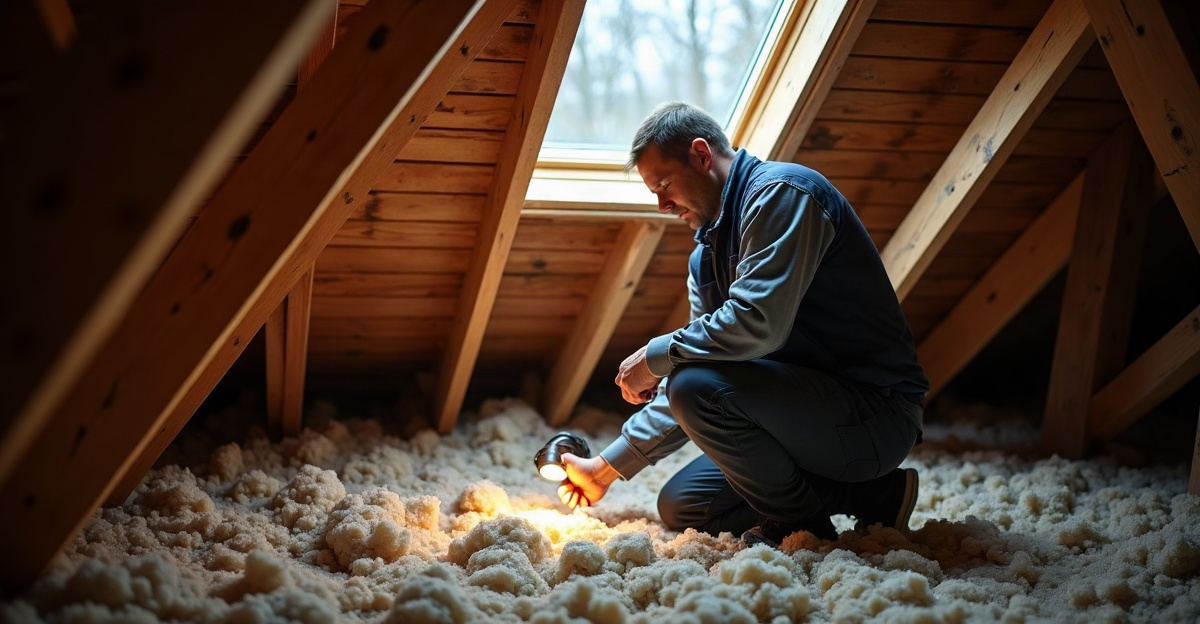
We can make useful observations from the attic opening without stepping on ceiling drywall or disturbing insulation. Look for thin, uneven, sunken, or bare areas. Note staining, moisture, odors, pest evidence, visible displacement, and rooms that become unusually hot during Arizona summers. We should also check whether the attic hatch appears insulated and weather-stripped, then document concerns with photos.
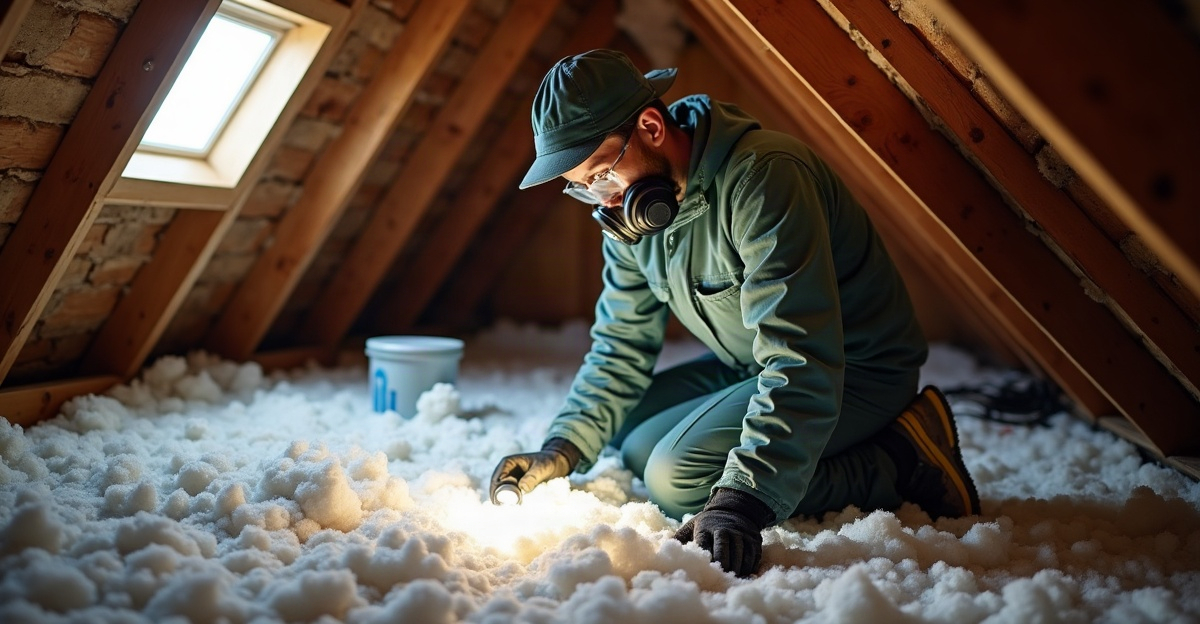
We should never disturb suspected asbestos-containing vermiculite, rodent-contaminated insulation, extensive mold-affected material, or insulation exposed to fire, smoke, or significant water damage. These conditions can require qualified assessment, containment, and protective procedures.
How often should attic insulation be replaced? There is no fixed schedule. Clean, dry, well-installed insulation may remain effective for many years, while water damage or contamination can require immediate action. For more guidance, see how often attic insulation is replaced.
Can we add new insulation over old attic insulation? Usually, yes, if the existing material is clean, dry, and suitable to retain. Air sealing should happen first. Does flattened insulation need replacement? Minor compression may be corrected, but severely compressed or damaged insulation may need removal or supplementation.
Can rodents ruin attic insulation? Yes. Widespread droppings, nesting, odors, and contamination can make replacement necessary. Should wet attic insulation be replaced? We should first stop the moisture source, then have affected material assessed for removal and replacement.
Is it better to air seal before adding attic insulation? Yes. Does spray foam insulation need replacement? We replace it only when damage, moisture issues, poor adhesion, or installation defects justify the work. Can old attic insulation contain asbestos? Suspected vermiculite may present that concern and requires professional evaluation.
For wet, contaminated, damaged, uneven, or inadequate insulation, a professional attic assessment identifies whether removal, air sealing, added insulation, duct improvements, or another repair is the right next step. Contact us to discuss residential attic insulation and practical options for the property.
Last reviewed: August 18, 2026.