How Much Insulation Do I Need in My Attic?
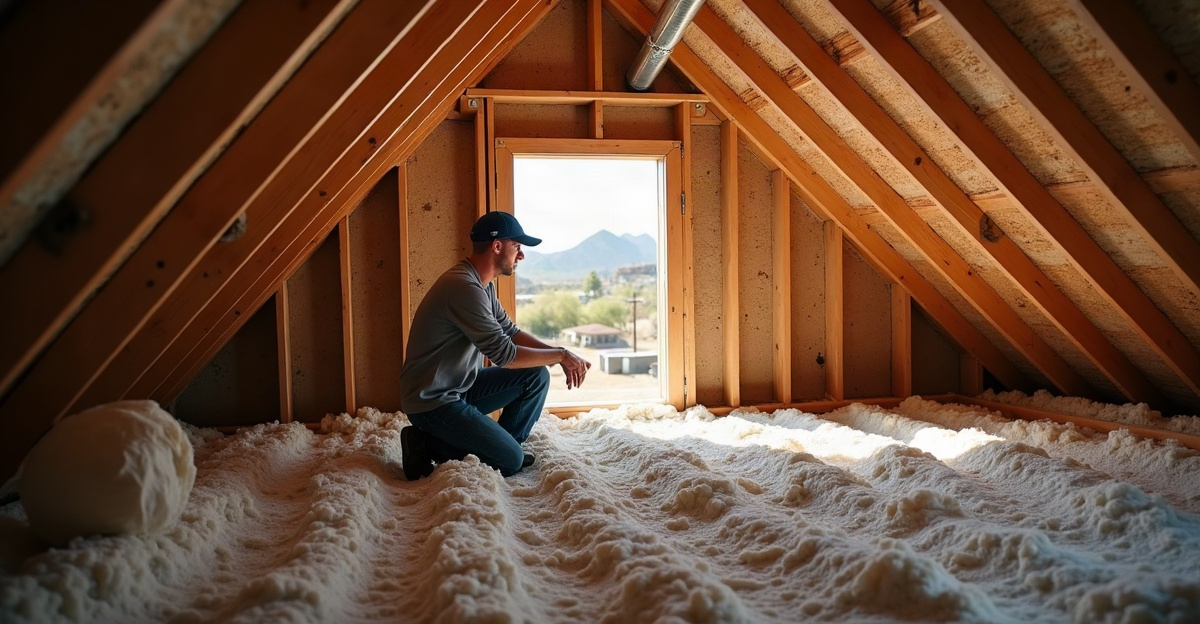
Attic insulation needs depend on the target R-value, insulation material, existing conditions, attic design, and Arizona climate zone. No single depth fits every attic. Low-desert upgrades often start at R-38 to R-49. Cooler or high-elevation areas may need R-49 to R-60. Local building codes set the final requirement.
Key Takeaways
- Choose attic insulation based on the required R-value. Required depth changes with the material, product density, and installation method.
- Blown fiberglass, fiberglass batts, cellulose, and spray foam need different depths to achieve the same R-value.
- Inspect existing insulation for thin areas, gaps, settling, moisture, contamination, pest damage, and exposed ducts before adding new material.
- Air seal accessible attic openings before adding insulation. Keep ventilation channels, electrical access, and required heat-source clearances clear.
- Schedule a professional assessment for moisture concerns, damaged insulation, complex ductwork, HVAC equipment, roofline insulation, or local code verification.
Start With R-Value, Not a Universal Number of Inches
How much insulation we need in an attic depends on the target R-value, not on one universal depth in inches. R-value measures a material’s resistance to heat flow, so a higher R-value provides greater insulating performance.
The required depth varies by material type, product density, labeled R-value per inch, installation method, settling characteristics, existing attic conditions, home location, climate zone, and attic assembly. A thermal boundary is the layer separating conditioned indoor space from unconditioned space. In many vented attics, that boundary sits at the attic floor, directly above the ceiling plane.
Building codes provide a baseline, but they are not the only performance goal. Comfort concerns, HVAC design, duct location and leakage, air sealing, roof configuration, and project priorities can change the recommended scope. Arizona includes hot low-desert areas as well as cooler, higher-elevation communities, and local jurisdictions may use different code editions or amendments. We should always verify local requirements before selecting an R-value.
For homeowners asking how much insulation they need in attic spaces, the answer starts with an attic assessment rather than a quick measurement. Our residential insulation services help identify the right material, depth, and installation approach for the property.
General Attic Insulation R-Value Targets in Arizona
The following ranges are practical starting points to verify locally, not universal legal requirements. Phoenix, Tucson, and other lower-elevation communities can have different attic needs than Flagstaff and other colder or higher-elevation areas.
General Attic Insulation R-Value Targets in Arizona
| Arizona location and project type | General attic R-value starting point | Considerations |
|---|---|---|
| Hotter low-desert areas, existing attic insulation upgrades or retrofits | Approximately R-38 to R-49 | Evaluate current insulation depth, air leakage, ducts, and local requirements. |
| Hotter low-desert areas, new construction or major renovations where applicable | Approximately R-49 or the locally adopted code requirement | Confirm the applicable code edition, assembly details, and local amendments. |
| Cooler or high-elevation Arizona areas, existing attic insulation upgrades or retrofits | Approximately R-49 to R-60 | Colder winter conditions may support higher R-values. |
| Cooler or high-elevation Arizona areas, new construction or major renovations where applicable | Approximately R-60 or the locally adopted code requirement | Confirm with the authority having jurisdiction and project documents. |
Insulation can improve comfort and reduce unnecessary heat gain when it is part of a properly evaluated attic system. Results depend on the building enclosure, HVAC performance, duct leakage, windows, shading, occupancy, thermostat settings, and existing insulation levels. We do not promise a specific reduction in energy costs or indoor temperatures.
How Many Inches of Insulation Equal the R-Value We Need?
Depth depends on the insulation product. The figures below offer general comparisons for how much attic insulation we need, but they are not installation specifications.
| Material | Approximate R-value per inch | Approximate depth for R-38 | Approximate depth for R-49 | Approximate depth for R-60 |
|---|---|---|---|---|
| Blown fiberglass | Approximately R-2.2 to R-2.8 | Approximately 14–17 inches | Approximately 18–22 inches | Approximately 22–27 inches |
| Fiberglass batts | Approximately R-3.0 to R-3.8 | Approximately 10–13 inches | Approximately 13–16.5 inches | Approximately 16–20 inches |
| Blown cellulose | Approximately R-3.2 to R-3.8 | Approximately 10–12 inches | Approximately 13–15.5 inches | Approximately 16–19 inches |
| Closed-cell spray foam | Approximately R-6 to R-7 | Approximately 5.5–6.5 inches | Approximately 7–8.5 inches | Approximately 9–10 inches |
| Open-cell spray foam | Approximately R-3.5 to R-4 | Approximately 9.5–11 inches | Approximately 12–14 inches | Approximately 15–17 inches |
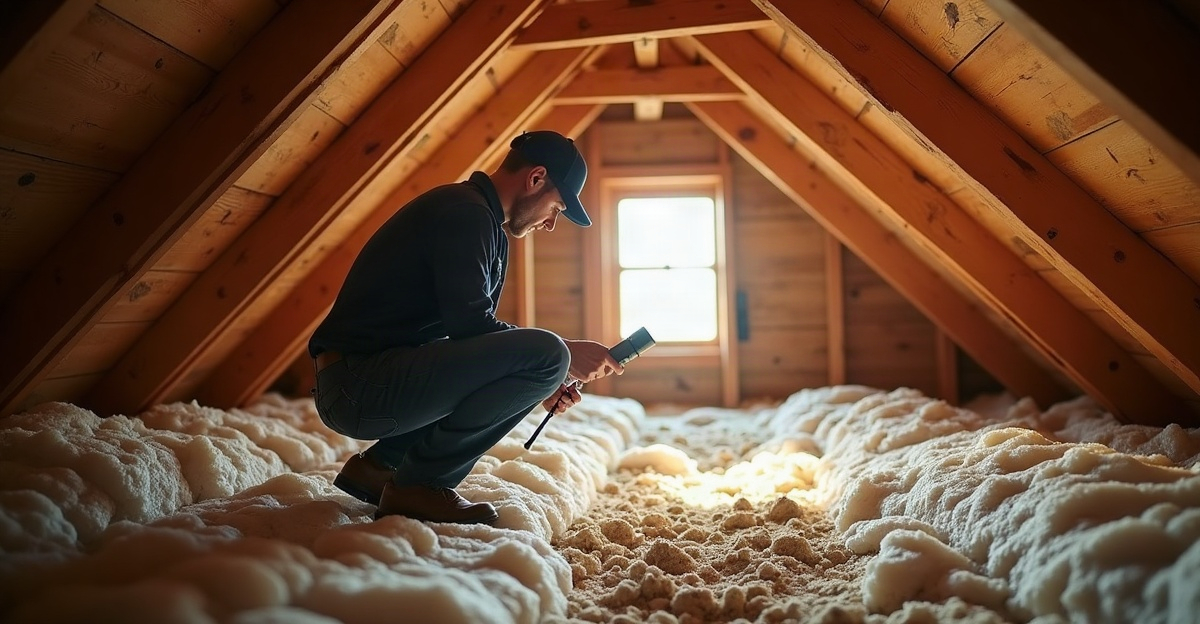
Exact inches vary by manufacturer, product density, installation method, settling characteristics, and labeled R-value per inch. We use product documentation and professional confirmation rather than treating general depth figures as specifications. Attic depth markers provide a useful visual reference, especially because insulation can settle or become uneven over time.
Fiberglass remains a common, cost-conscious option for open attic floors. It is available as batts or blown material, and blown-in attic insulation can provide consistent coverage around many obstructions. Cellulose also works well in blown attic-floor applications, though installation quality and moisture conditions matter. Spray foam may fit roofline insulation, difficult-to-air-seal areas, or certain retrofit conditions, but it requires a properly designed assembly and professional installation. Review Arizona spray foam thickness before selecting foam based on depth alone.
How to Check Whether Existing Attic Insulation May Be Inadequate
A visual attic review can identify obvious concerns, but it is only a first step. We should avoid walking on unsupported ceiling drywall, disturbing unknown materials, or entering unsafe attic spaces.
Signs That Existing Insulation Needs Attention
The following conditions often justify a closer evaluation:
- Insulation is uneven, thin, compressed, or below ceiling joist depth across many areas.
- Gaps appear around the attic perimeter, penetrations, or access hatch.
- Bare spots, wind-washed insulation near eaves, or trade-disturbed areas are visible.
- Upper rooms become excessively hot in summer or temperatures vary substantially between rooms.
- Cooling bills appear unusually high without a clear usage-related cause.
- Insulation is wet, matted, pest-damaged, smoke-contaminated, or mold-affected.
- Ducts sit exposed above insufficient attic-floor insulation.
Adding insulation may work when existing material is dry, reasonably clean, stable, and suitable for air sealing and coverage without blocking ventilation or access. Removal, repairs, or remediation should happen first when insulation is significantly wet, contaminated, heavily pest-damaged, smoke-damaged, mold-affected, or preventing inspection and air sealing. Our retrofit insulation services address existing-attic conditions before new material goes in.
Professional evaluation is especially important when access is limited, contamination is suspected, electrical hazards exist, moisture is present, or the attic contains complex ducts or HVAC equipment. For additional guidance, see signs to replace insulation.
Air Sealing, Attic Type, and Safe Installation Change the Answer
Air sealing reduces unintended conditioned-air leakage through gaps and penetrations. Insulation slows heat transfer, while air sealing limits the movement of conditioned air into the attic. More insulation will not fully resolve comfort and energy-loss issues caused by major attic leaks.
Common leakage points include attic hatches, pull-down stairs, plumbing penetrations, electrical openings, refrigerant lines, top plates, suitable recessed lights, exhaust fan housings, and duct connections. Chimney and flue penetrations require proper clearance and noncombustible materials.
A vented attic typically places insulation along the attic floor or ceiling plane. Ventilation pathways must remain open. A conditioned or encapsulated attic places insulation at the roofline, which means along the underside of the roof deck or roof framing rather than on the attic floor. This approach changes the thermal boundary and requires project-specific moisture, ventilation, HVAC, and code review.
Attics containing ducts or HVAC equipment need extra attention. We evaluate duct leakage, duct insulation, equipment access, and whether the equipment sits inside or outside the thermal boundary. Spray foam insulation can support certain roofline assemblies, but foam is not automatically the best choice.
Safe installation means we do not cover unsafe or non-IC-rated recessed lights, block soffit vents, ridge vents, baffles, or bury electrical junction boxes that must remain accessible. We maintain required clearance around chimneys, flues, and heat-producing fixtures. Roof leaks, plumbing leaks, and moisture problems need correction before insulation installation. HVAC service paths must also remain accessible.
When to Add Insulation, Remove Old Insulation, or Call a Professional
How much insulation we need in the attic is easier to answer after assessing insulation condition, air leakage, attic design, and local requirements.
When to Call an Insulation Professional
We recommend professional help when:
- Existing insulation is damaged, wet, contaminated, or uneven.
- The attic has ducts, HVAC equipment, complex rooflines, or difficult access.
- Comfort problems continue after basic maintenance.
- We are considering spray foam or moving insulation from the attic floor to the roofline.
- Air leakage, roof leaks, pest activity, or ventilation problems are present.
- The project requires confirmation of local code, R-value, depth, or installation details.
Can New Insulation Go Over Old Attic Insulation?
Often, yes. Existing material should be dry, clean, and free from issues that prevent air sealing, ventilation, or necessary repairs.
Should We Air Seal Before Adding Insulation?
In most cases, yes. We should complete accessible and safe air sealing before or alongside insulation work.
Does More Attic Insulation Always Lower Cooling Costs?
No. Results depend on insulation condition, air leakage, duct performance, HVAC equipment, windows, shading, occupancy, and thermostat settings.
Should Attic Insulation Go on the Floor or Roofline?
That depends on whether the attic is vented or conditioned, where ducts and HVAC equipment sit, and the planned thermal boundary.
Not sure whether the attic needs more insulation, air sealing, removal, or a different approach? Tightseal can assess attic conditions and recommend an insulation solution suited to Arizona property needs and project goals. Contact Tightseal to discuss the next step.