How Much Is Batt Insulation? Costs Arizona Homeowners Pay
Batt insulation costs for Arizona homeowners depend on the insulated area, target R-value, material selection, and whether the estimate includes materials alone or full installation. Attic access, old insulation removal, air sealing, ventilation upgrades, repairs, and cleanup can also raise the final project cost.
Key Takeaways
- Compare batt insulation costs by square footage, R-value, material type, and full installed scope instead of the price of one batt or package.
- Fiberglass and mineral wool batts differ in availability, cutting needs, and installation requirements.
- Open, accessible framing usually takes less labor than enclosed walls, restricted attics, crawl spaces, or retrofit areas.
- Arizona attic projects may also need air sealing, baffles, ventilation upgrades, and repairs before insulation installation.
- Request written estimates that list labor, materials, removal, disposal, delivery, tax, cleanup, and air-sealing work.
Batt Insulation Cost at a Glance in Arizona
How much is batt insulation? We evaluate batt insulation cost by the square footage, required R-value, material type, and full installed scope rather than by the price of one individual batt. Arizona homeowners should separate material-only pricing from standard professional installation and higher-complexity work that includes removal, air sealing, repairs, or difficult access.
The planning table below does not present fixed local prices because verified current Arizona cost data was not provided for publication. It identifies the cost categories that should appear in an estimate. Confirm local pricing and date-stamp all numerical cost data before relying on it for budget planning.
| Project type | Typical material type | R-value | Material-only range per square foot | Standard installed range per square foot | Scope notes |
|---|---|---|---|---|---|
| Wall batts | Fiberglass | R-13/R-15 | Confirm current local pricing | Confirm current local pricing | Common in open wall cavities; enclosed walls can require added labor. |
| Floor or wall batts | Fiberglass | R-19/R-21 | Confirm current local pricing | Confirm current local pricing | Depends on framing depth, access, and whether the area is open. |
| Attic batts | Fiberglass | R-30 | Confirm current local pricing | Confirm current local pricing | Requires enough attic access and proper coverage around obstructions. |
| Attic upgrade | Fiberglass or mineral wool | R-38/R-49 | Confirm current local pricing | Confirm current local pricing | May include preparation, baffles, air sealing, and access improvements. |
| Wall, floor, or specialty assemblies | Mineral wool | Varies by product and assembly | Confirm current local pricing | Confirm current local pricing | Product availability, density, cutting needs, and installation conditions affect cost. |
| New construction | Fiberglass or mineral wool | Project-specific | Confirm current local pricing | Confirm current local pricing | Open framing generally supports efficient installation before drywall. |
| Retrofit installation | Fiberglass or mineral wool | Project-specific | Confirm current local pricing | Confirm current local pricing | Removal, access limitations, cleanup, and repairs can expand the scope. |
Use this table for budget planning only, not as a substitute for an on-site estimate. A price per square foot may include only materials, or it may include labor and installation. We confirm whether the number includes delivery, tax, disposal, cleanup, preparation work, air sealing, and attic repairs before comparing proposals.
For a clear installed-cost assessment, we recommend reviewing professional batt insulation options based on the actual assembly, access, and performance target.
What Changes the Price of Batt Insulation?
How much is a batt of insulation is usually the wrong budgeting question. Packages contain different batt counts, widths, lengths, thicknesses, and total coverage areas. One package may cover a modest wall section, while another can cover a much larger area. We compare products and proposals by coverage area, R-value, material type, and complete installed scope.
Fiberglass versus mineral wool batts is a primary cost consideration. Each material has different product characteristics, availability, cutting requirements, and installation needs. The target R-value also affects pricing because higher R-values generally require greater thickness or a different assembly.
Location matters. Open wall cavities in a remodel or new build are usually more direct to insulate than enclosed wall cavities, crawl spaces, garage ceilings, floors over unconditioned areas, or hot attics with limited access. Larger projects can spread mobilization costs across more square footage, while smaller jobs may still require preparation, travel, and protection work.
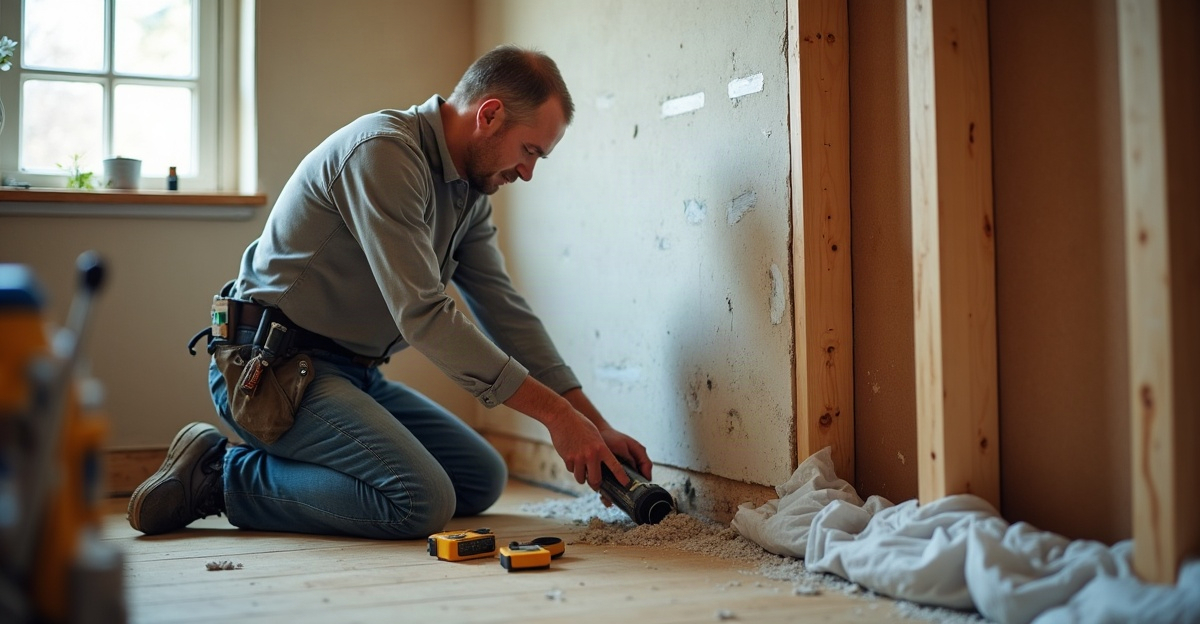
Old-insulation removal can change a straightforward attic project into a more involved retrofit installation. Disposal, cleanup, damaged insulation, pest-related concerns, moisture evidence, and contamination concerns all need review before new insulation goes in. We also assess air sealing around penetrations, top plates, ducts, recessed fixtures, and access hatches. Baffles, ventilation improvements, attic repairs, and safe access-platform needs can add legitimate scope.
Low quotes deserve a close review. We confirm whether removal, disposal, air sealing, ventilation work, repairs, and cleanup are included or excluded. A lower starting number can omit work that the attic or wall assembly actually needs.
Here are three hypothetical examples, with no universal price attached:
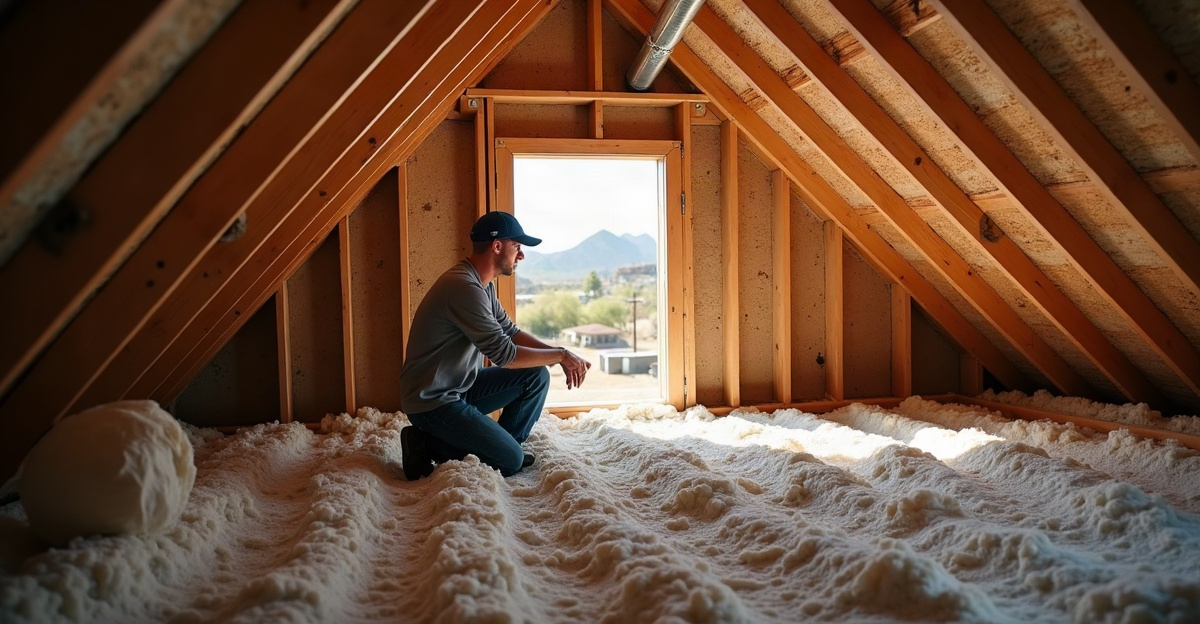
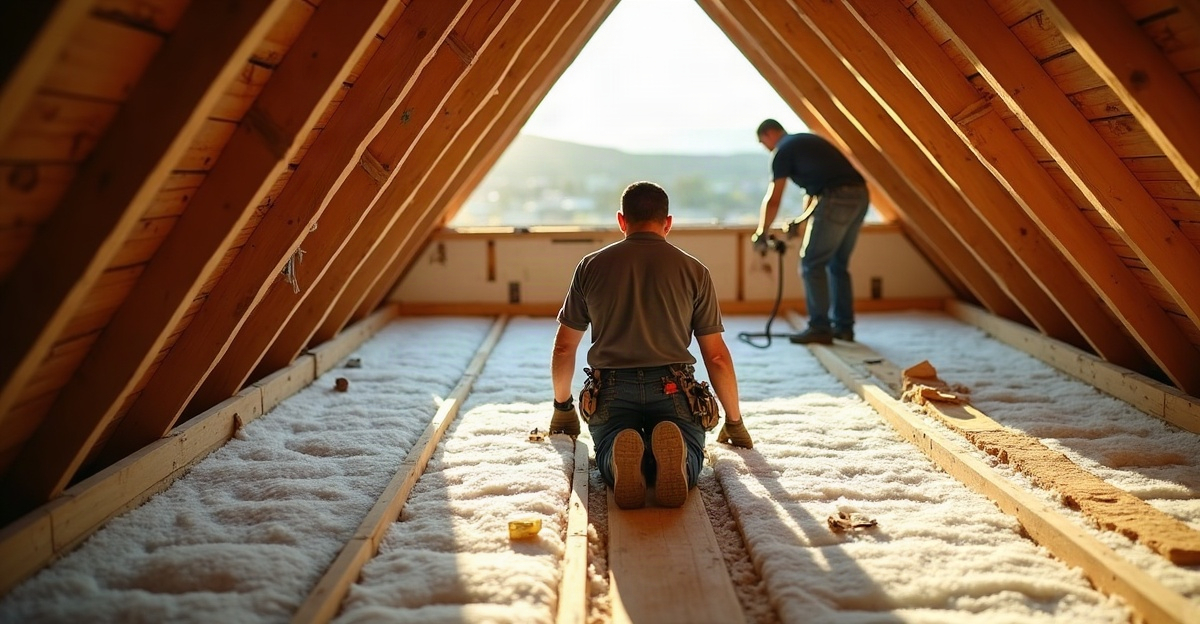
An accessible attic insulation upgrade may involve adding R-30 or building coverage toward an R-38/R-49 target. Assumptions include clear attic access, dry existing conditions, limited obstructions, and no major removal or repairs. The scope remains relatively direct, but air sealing and baffle needs should still be checked.
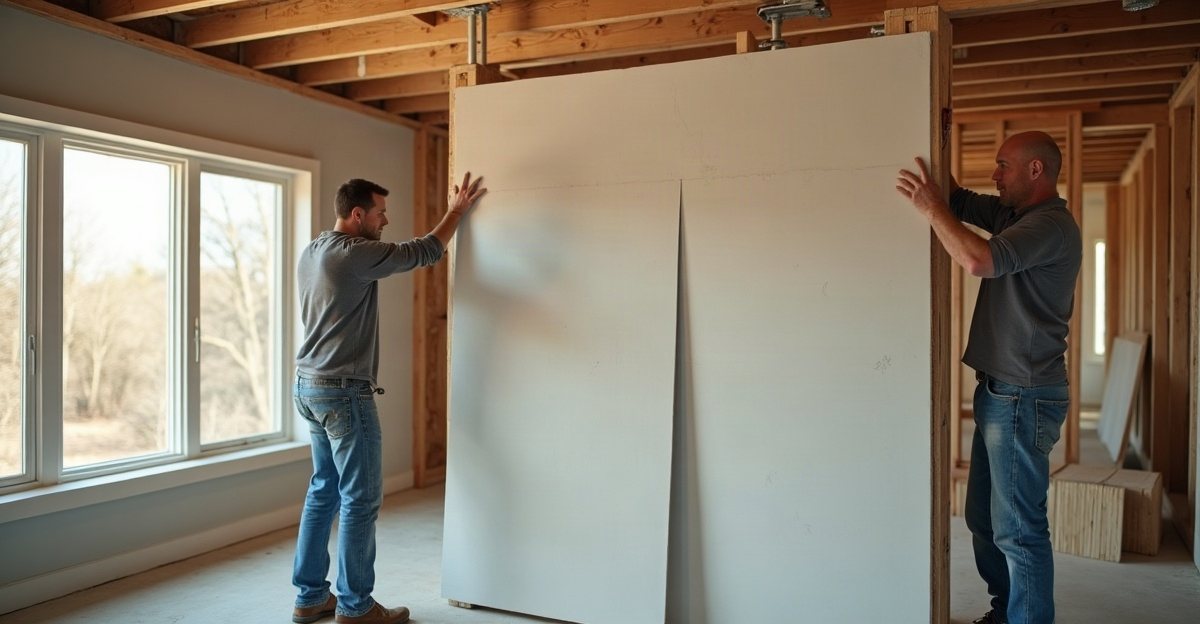
Open wall cavities during a remodel or new build may receive R-13/R-15 or R-19/R-21 batts, depending on framing and project requirements. Assumptions include exposed framing, no drywall removal, and a coordinated construction schedule. Open access supports efficient fitting and inspection.
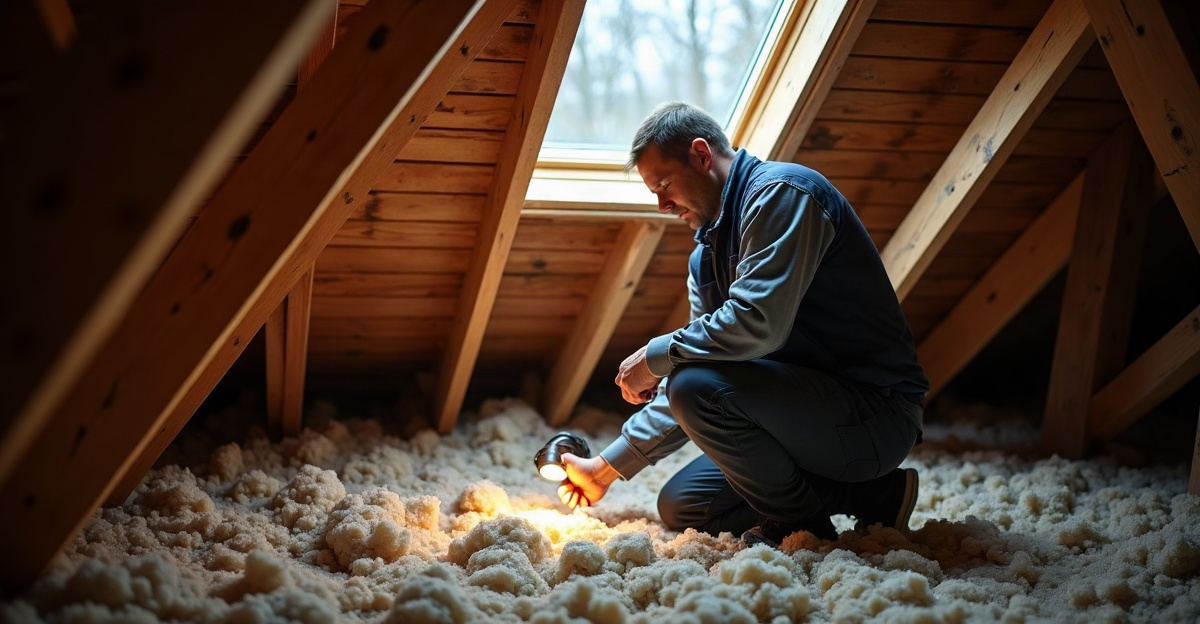
A retrofit project may require old-insulation removal, disposal, attic air sealing, damaged-baffle replacement, and cleanup before insulation installation begins. Assumptions include limited attic access and existing material that cannot remain in place. This project carries a broader scope even if the insulated square footage matches the first example.
Arizona Attic and Wall Insulation: R-Value, Air Sealing, and Real-World Performance
Arizona’s intense sun exposure, hot attics, and long cooling seasons make attic insulation and air sealing important comfort and efficiency considerations. The right approach varies by Arizona climate zone, home design, roof assembly, existing insulation, duct location, and applicable code requirements.
R-value measures thermal resistance. A higher nominal R-value indicates greater resistance to heat flow under defined test conditions. It does not guarantee identical thermal performance in every home. An R-13 wall batt, an R-30 attic batt, and an R-38 or R-49 attic upgrade use different thicknesses and serve different assemblies. They are not interchangeable products or projects.
Batts must be fully lofted, cut cleanly around wiring and obstructions, and installed without gaps, folds, or compression. They also need alignment with the air barrier to perform as intended. Gaps and voids can allow unwanted air movement and reduce effective performance.
Insulation alone may not resolve every comfort concern or high utility bill. Air leaks, leaky ducts, inadequate attic ventilation, roof conditions, window performance, HVAC sizing, thermostat settings, and household use all affect results. We review the assembly before recommending work and use current manufacturer guidance, recognized energy guidance, and applicable local requirements where needed. We do not assume a code requirement without verifying the relevant Arizona jurisdiction and project type.
For a broader material comparison, see our guide to Arizona home insulation.
Batt Insulation vs. Blown-In vs. Spray Foam
Batt insulation vs. blown-in vs. spray foam depends on the assembly and site conditions. No single product fits every attic, wall, floor, or roofline.
Batt insulation works well in open framing, certain new-construction applications, and accessible cavities where installers can fit each piece correctly. It can be cost-effective in these conditions. Compression, gaps, voids, and obstructions can reduce real-world performance, so installation quality matters.
Blown-in insulation can work well for attic top-offs and irregular areas where loose material can cover existing surfaces more evenly. It may be a practical option where framing or attic conditions make batts harder to place consistently. Our comparison of batt and blown-in insulation explains the key differences.
Spray foam may provide insulation and air-sealing functions in certain assemblies. Its installed scope, preparation needs, and material cost differ from batt systems. We review moisture considerations, air-sealing needs, required R-value, existing insulation conditions, access, budget, and performance goals before selecting a material. For cost context, review Arizona spray foam costs.
New homes often allow the most efficient material selection because the framing remains open. Our guide to new-construction insulation outlines the decisions that affect that stage.
What Should an Insulation Quote Include?
A useful estimate gives Arizona homeowners, builders, renovators, and light commercial stakeholders a clear scope of work. We encourage comparing fully installed proposals instead of comparing one material price alone. An on-site assessment can identify tight attic access, duct leakage, contamination concerns, damaged insulation, missing baffles, roof-related concerns, and air leaks that a basic square-foot estimate may miss.
Quote Comparison Checklist
We recommend confirming these items in writing:
- Square footage and the exact location being insulated.
- Existing and target R-value.
- Insulation material, thickness, and manufacturer or product details when available.
- Whether labor, delivery, tax, and cleanup are included.
- Air-sealing scope and materials.
- Old-insulation removal and disposal requirements.
- Ventilation baffles, attic-hatch treatment, duct-related work, repairs, and access needs.
- Warranty details, project timing, and expected completion schedule.
Ask directly whether the estimate is material-only or fully installed. That distinction prevents confusion and helps us compare installation quality, quality workmanship, and total project value on equal terms.
For existing homes, retrofit insulation services can address conditions that are not visible from a quick attic opening. We can also confirm availability through our Arizona service area before scheduling an assessment.
Batt Insulation Cost FAQs for Arizona Homeowners
How much is batt insulation per square foot?
The planning table shows the categories we use to evaluate cost, but material-only and installed costs differ based on R-value, material, access, labor, removal, air sealing, and local conditions. We confirm current Arizona pricing through an assessment and written scope.
How much is a batt of insulation?
One batt or package price offers limited value for comparison. Batt counts, dimensions, thicknesses, and package coverage vary. Square footage coverage and installed scope provide a more accurate basis for planning.
Is batt insulation cheaper than blown-in insulation?
It can be, but the answer depends on the area, required R-value, access, preparation, existing insulation, and whether removal or air sealing is needed. The appropriate material depends on the assembly and site conditions.
How much does it cost to insulate an attic with batts?
Attic size, existing insulation, target R-value, attic access, removal, air sealing, ventilation work, and repair needs determine the final installed cost. An on-site assessment identifies those conditions before work begins.
Is fiberglass or mineral wool batt insulation more expensive?
Mineral wool batts often involve different product and installation considerations than fiberglass. We compare current local product availability and the complete installed scope rather than assuming one material always costs more.
Can we install batt insulation ourselves?
Accessible, open areas may suit capable DIY work. Proper fitting, safety practices, air sealing, ventilation, electrical obstructions, and enclosed or difficult spaces may warrant professional installation.
Does batt insulation include air sealing?
No. Batt insulation does not automatically include air sealing. We confirm the air-sealing scope in writing before the project starts.
What R-value do Arizona homes need?
Requirements vary by climate zone, home design, existing insulation, roof assembly, duct location, and applicable local code requirements. A professional assessment helps identify an appropriate target R-value.
For attic insulation, batt insulation, insulation removal, air sealing, retrofit insulation, or new-construction insulation, request an insulation assessment. We’ll evaluate the property on site and recommend the insulation type, R-value, and air-sealing scope that fit the actual conditions.