Is Spray Foam Insulation Safe for Arizona Homes?
Homeowners often ask whether spray foam insulation is safe when upgrading desert properties. We explain that safety depends on proper installation, controlled ventilation, and full curing. In Arizona homes with extreme attic heat, sealed roof decks, and unvented assemblies, we see professionally installed and fully cured spray foam form a stable, inert barrier that supports energy performance without ongoing chemical exposure.
Key Takeaways
- We consider spray foam insulation safe for Arizona homes when crews mix it correctly, install it professionally, and allow it to fully cure before re-occupancy.
- We see most health concerns arise during installation and early curing, when crews must use ventilation, wear protective equipment, and follow a standard 24-hour re-entry period.
- We find that once spray foam cures, it becomes an inert plastic material that does not continuously off-gas under normal indoor conditions.
- We identify improper installation, including off-ratio mixing and poor ventilation, as the primary cause of lingering odors or performance issues.
- We plan carefully for Arizona-specific factors such as extreme attic heat, unvented assemblies, and balanced HVAC design to ensure safe, long-term performance.
The Short Answer: When Properly Installed and Cured, Spray Foam Is Considered Safe
Spray foam insulation is considered safe for Arizona homes when it’s professionally installed, properly mixed, and fully cured. Safety depends on correct application, adequate ventilation, and allowing the material to stabilize before normal occupancy.
Questions like “is spray foam insulation safe to breathe,” “spray foam insulation is it safe,” and “how safe is spray foam insulation” usually stem from confusion about the installation phase. Most health concerns relate to the application and early curing period, not the finished product.
Once cured, spray foam becomes an inert plastic material. Under normal conditions, it does not continue to off-gas at harmful levels. The key variable isn’t the material alone. It’s how well the product is installed, ventilated, and allowed to cure.
We separate verified building science from fear-based claims. With proper procedures, spray foam performs safely and effectively in residential settings across Arizona.
What Happens During Installation and Curing
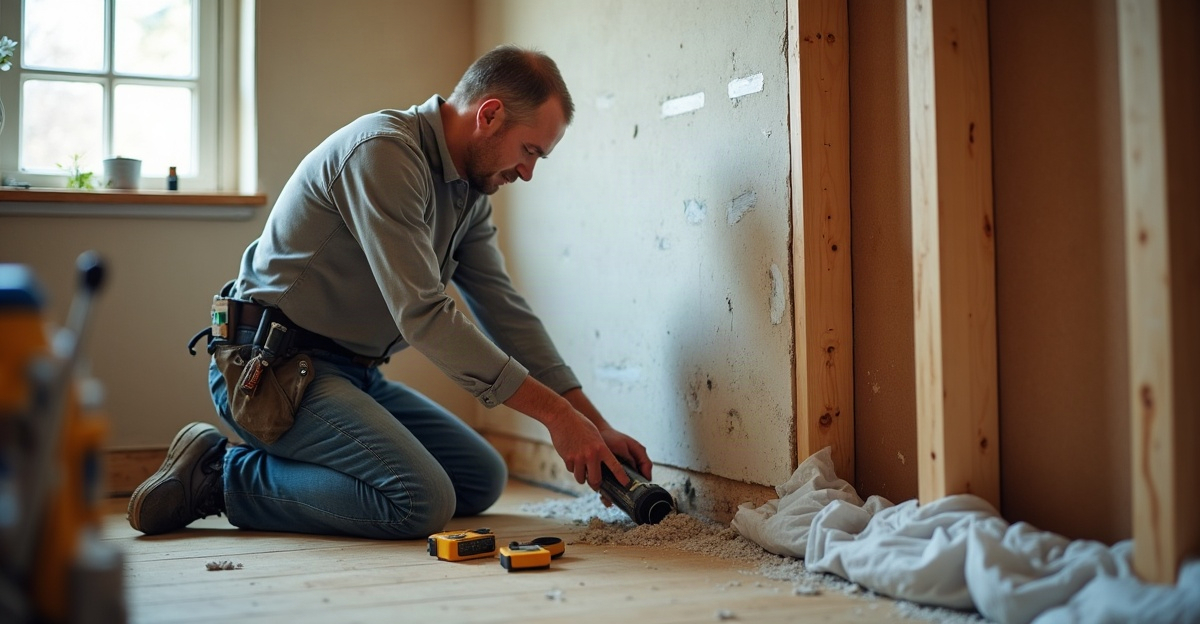
Spray foam insulation is created by combining two liquid components, often referred to as the “A-side” and “B-side.” When heated and sprayed together, they react chemically, expand rapidly, and form a rigid or semi-rigid foam.
If you’re unfamiliar with the basics, we explain more in detail in what spray foam insulation is and how it works. The reaction is fast, but stabilization takes longer.
Curing is the period when the foam completes its chemical reaction. During this time, the material expands, hardens, and stabilizes into its final form.
VOCs, Ventilation, and Re-Occupancy Time
During application and the early curing stage, low levels of volatile organic compounds (VOCs) can be released. This is why proper ventilation is critical. Installers follow manufacturer requirements, EPA guidance on ventilation during installation, and OSHA safety practices regarding protective equipment.
Standard guidance from many manufacturers recommends a 24-hour re-entry period for occupants who are not wearing protective gear. This allows sufficient time for curing and air exchange.
Key safety practices during installation include:
- Controlling mechanical ventilation to exhaust air from the work area
- Sealing off the application zone from occupied spaces
- Using proper personal protective equipment (PPE)
- Verifying chemical temperature and mixing ratios
- Following manufacturer-specified re-entry timelines
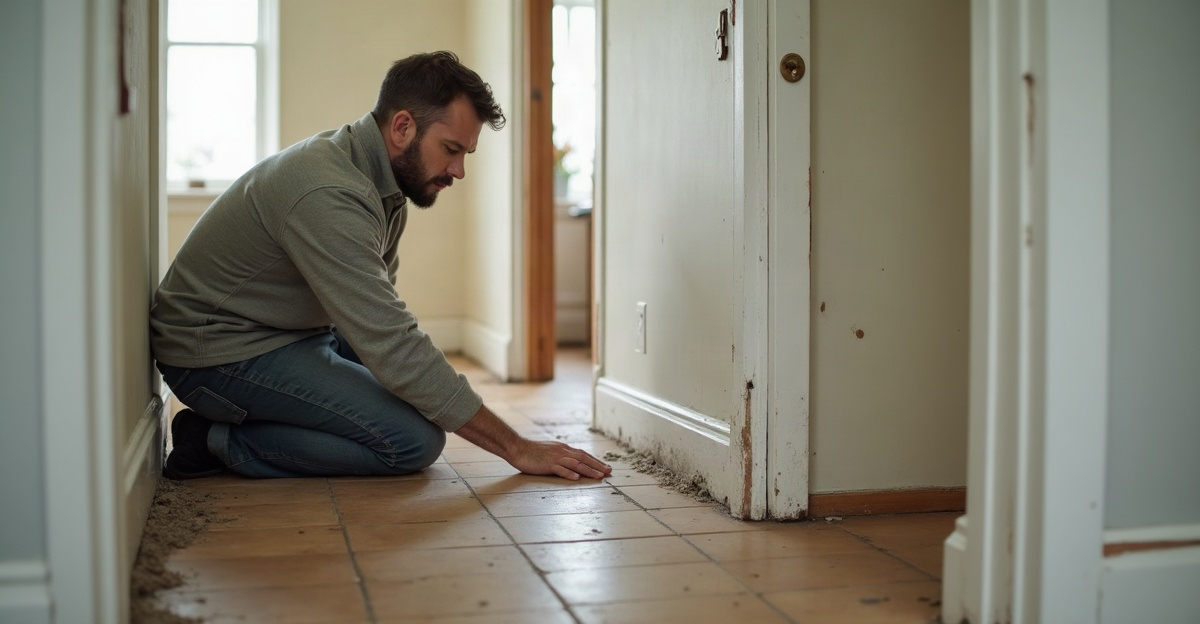
Odor during installation is typically temporary and directly related to curing. A strong smell that lingers well beyond the recommended curing period may signal improper installation or off-ratio foam.
That leads to the core concern: is spray foam insulation safe to breathe after it cures?
Is Spray Foam Insulation Safe to Breathe After It Cures?
After full curing and proper ventilation, spray foam insulation is considered safe for normal residential occupancy. Once the chemical reaction completes, the foam forms a stable plastic barrier. It does not continuously emit harmful fumes under typical indoor conditions.
This applies to both open-cell and closed-cell products, though their density and application uses differ. For a side-by-side comparison, see open cell vs closed cell spray foam insulation.
For chemically sensitive individuals, including those with asthma or severe allergies, we recommend waiting longer than the standard 24-hour period before re-entry. Extra ventilation during and after installation can provide additional reassurance.
Households with infants, elderly occupants, or pets should plan temporary relocation during installation and curing. These precautions are practical and straightforward.
So, is foam spray insulation safe in occupied homes? Yes, once curing is complete and the installation was properly handled. How safe is spray foam insulation in daily use? In properly installed applications, it performs safely for decades without continuous chemical exposure concerns.
Problems almost always trace back to improper mixing, poor ventilation, or untrained installers.
Risks of Improper Installation and How to Avoid Them
There’s a clear difference between properly installed spray foam and a poorly executed job. The material itself is engineered for building safety. Installation errors create risk.
Improper installation can lead to:
- Off-ratio foam from incorrect chemical mixing
- Lingering odors or fumes due to incomplete reaction
- Shrinkage or pulling away from framing members
- Incomplete curing in isolated areas
These issues are preventable.
We follow manufacturer curing requirements, building codes, and established job-site safety standards. That includes controlled ventilation, temporary vacancy during installation, and consistent monitoring of equipment settings.
Before hiring any contractor, we recommend asking direct questions:
- What ventilation procedures are followed during application?
- What re-entry time is recommended after installation?
- Are installers trained and certified for spray foam systems?
- How is proper chemical ratio and curing verified on site?
Clear answers matter. Quality workmanship and long-term performance depend on disciplined installation.
Homeowners evaluating spray foam insulation services should focus on experience, process control, and compliance with manufacturer standards. That approach reduces risk and ensures predictable results.
For broader insulation planning, we also outline options under residential insulation services for Arizona homes.
Is Exposed Spray Foam Insulation Safe in Attics and Crawl Spaces?
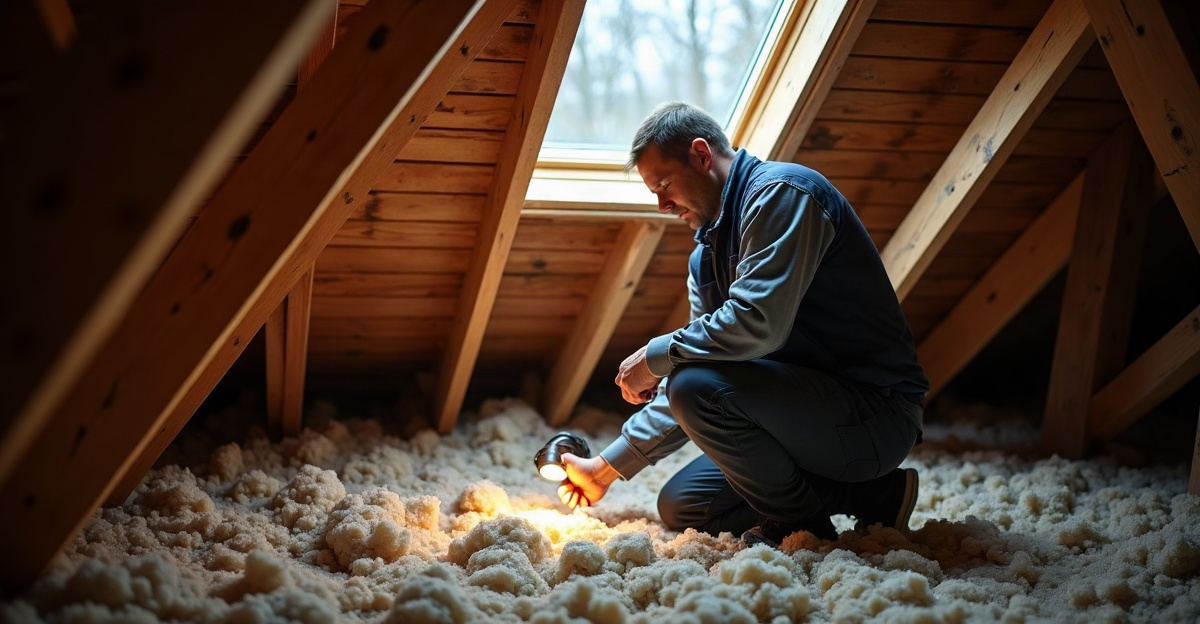
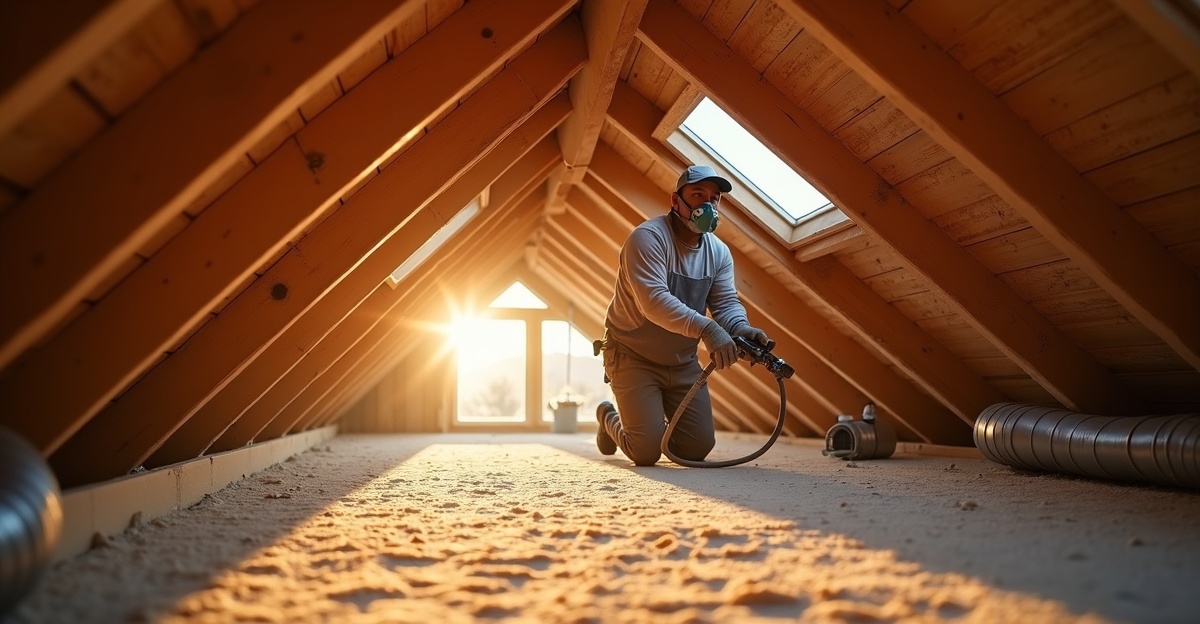
Cured spray foam installed in unfinished attics or crawl spaces is generally safe when applied according to code. Once hardened and stabilized, it remains in place and does not release ongoing fumes under normal conditions.
Building codes may require an ignition barrier or thermal barrier over exposed foam, depending on the location and occupancy status of the space. These requirements are specific and enforceable. Compliance ensures both fire safety and long-term durability.
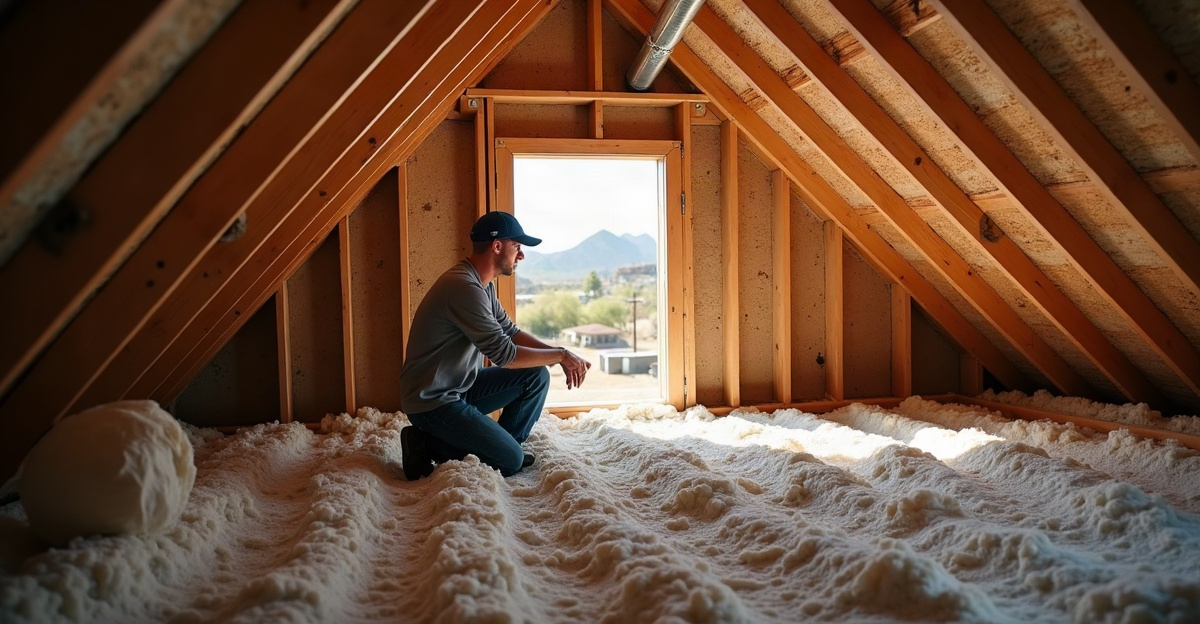
Unvented attic assemblies are common in Arizona. In these systems, spray foam is applied directly to the roof deck, creating a sealed building envelope. This approach reduces extreme attic heat transfer into the living space.
Sealing the attic can also improve indoor air quality by limiting dust infiltration, outdoor pollutants, and hot air intrusion. The result is a cleaner, more controlled interior environment.
For homeowners exploring performance benefits, we explain more in benefits of wall spray insulation for new homes, especially in high-heat regions.
Arizona-Specific Safety Considerations: Heat, Ventilation, and Building Design
Arizona attics regularly exceed 140°F in summer. Extreme heat strains HVAC systems and accelerates energy loss through poorly insulated assemblies.
Spray foam performs well under sustained high temperatures, but thickness and uniform application matter. Insufficient coverage reduces both comfort and efficiency. Proper installation ensures the foam maintains its insulating value over time.
Desert climates also present ventilation challenges. Homes need balanced air exchange. Sealing air leaks without proper HVAC design can create pressure imbalances. We evaluate the entire structure before recommending insulation upgrades.
Spray foam can help stabilize indoor temperatures and reduce air leakage. Many homeowners see lower cooling loads and more consistent comfort. For broader comparisons, see the best insulation for Arizona homes and whether spray foam is worth it in Arizona.
New construction and retrofit projects require different approaches. Roof assemblies, duct placement, and existing ventilation systems must all be considered.
Chemically sensitive individuals, infants, elderly occupants, and pets should follow conservative re-entry practices. Temporary relocation during installation and proper ventilation afterward provide additional assurance.
Long-term performance also matters. Properly installed foam can last for decades without degrading under standard conditions, as outlined in how long spray foam insulation lasts.
For property owners in the greater Phoenix region, professional evaluation ensures safe installation suited to local climate conditions. We provide assessments and project planning through our Phoenix service area. Direct consultations are available through our contact page to review ventilation, design, and safety considerations specific to each home.