Spray Foam Insulation Problems and How to Avoid Them?

We can prevent most spray foam insulation problems by matching the foam type, attic design, moisture conditions, and installation methods to the building. Before we apply insulation, we assess roof leaks, ventilation plans, ducts, HVAC equipment, and safety requirements.
Key Takeaways
- We watch for persistent odors, gaps, cracking, shrinkage, poor adhesion, uneven coverage, moisture stains, and inconsistent indoor temperatures.
- We select open-cell or closed-cell foam based on the assembly, moisture conditions, required thickness, and local code.
- We never apply spray foam over active roof leaks, wet sheathing, mold, plumbing leaks, or drainage issues.
- We plan attic-floor insulation and roof-deck insulation as separate attic designs. Each approach affects ventilation, ductwork, HVAC performance, and combustion safety.
- If we suspect a problem, we document visible conditions and recommend a qualified professional inspect the foam, roof, moisture sources, ventilation, ducts, and HVAC system.
Most Spray Foam Problems Are Preventable With Proper Planning
Spray foam can deliver dependable air sealing and insulation when we specify it correctly and install it under the right conditions. It isn’t the right answer for every attic, budget, or building condition.
Many spray foam insulation problems trace back to the same causes: the wrong foam type, poor surface preparation, unsuitable application conditions, limited installer training, or an incomplete review of the attic and building envelope. Odors, poor adhesion, shrinkage, moisture concerns, uneven indoor temperatures, high cooling costs, and difficult repairs can all follow when planning falls short.
We never use insulation to hide active roof leaks, wet sheathing, mold growth, drainage failures, or other unresolved building issues. We identify and correct those conditions before insulation work begins. Foam can limit air movement, but it can’t repair damaged roofing or eliminate an active moisture source.
Arizona spray foam insulation needs full-attic planning. Solar heat loads are intense, cooling costs matter, and ducts often run through attics. Monsoon-season humidity can also expose moisture weaknesses that stayed hidden during dry periods. A sound installation considers the roof, attic configuration, duct system, HVAC equipment, and insulation together.
For a balanced view of material benefits and limitations, review the spray foam pros and cons before choosing an approach.
Warning Signs That May Point to a Spray Foam Insulation Problem
A spray foam attic problem may show up through visible defects, comfort changes, or moisture symptoms. We recommend taking concerns seriously without assuming the foam itself is always the sole cause.
Common signs of bad spray foam installation include a lingering spray foam smell after the expected curing period, foam pulling away from studs, cracking, visible gaps, uneven coverage, or sections with inconsistent thickness. Spray foam shrinkage and poor adhesion can reduce the continuity of the air and thermal barrier.
Other warning signs may appear elsewhere in the home. Dampness, condensation, mold growth, moisture staining, unusually hot rooms, uneven temperatures, higher-than-expected energy bills, and HVAC performance concerns all warrant an evaluation. These symptoms can also involve duct leakage, roof-deck moisture, air leakage pathways, ventilation design, or an attic assembly that wasn’t planned correctly.
Odors and exposure concerns are most relevant during spray foam installation and curing. Installers must follow the foam manufacturer’s safety procedures, ventilation requirements, and reoccupancy guidance. A persistent odor can indicate an issue worth investigating, including off-ratio spray foam, but it does not by itself identify the underlying cause.
We don’t assume that properly cured foam is inherently hazardous, and we don’t claim foam automatically improves indoor air quality. The result depends on product selection, installation quality, ventilation, moisture control, and the building’s overall condition. Our guide to spray foam safety in Arizona explains the key considerations.
Why Spray Foam Fails: Material Choice, Surface Conditions, and Application Errors
Open-cell and closed-cell spray foam are different products with different roles. Treating them as interchangeable creates avoidable spray foam installation mistakes.
Open-cell foam expands substantially after application and is generally more vapor-permeable. Closed-cell foam is denser, expands less, and has lower vapor permeability. The right choice depends on the roof or wall assembly, moisture conditions, required thickness, performance goals, and applicable code requirements. We explain the practical differences in our open-cell vs closed-cell foam comparison.
Spray foam poor adhesion, shrinkage, cracking, off-ratio foam, and persistent odors often result from application errors rather than from the basic concept of spray foam. Problems can occur when crews spray over damp, dirty, excessively hot, or otherwise unsuitable surfaces. Incorrect temperature or humidity, lifts applied too thickly, equipment calibration errors, and insufficient installer training can also affect performance.
Quality spray foam work requires active checks throughout the project. We verify substrate condition and moisture concerns before spraying. During installation, crews should monitor foam thickness, coverage consistency, adhesion, equipment calibration, and manufacturer requirements. Required thickness varies by assembly, so we avoid guessing and follow a defined plan. See our guidance on Arizona spray foam thickness for added context.
Attic Ventilation, Moisture, and Combustion Safety Must Be Planned Together
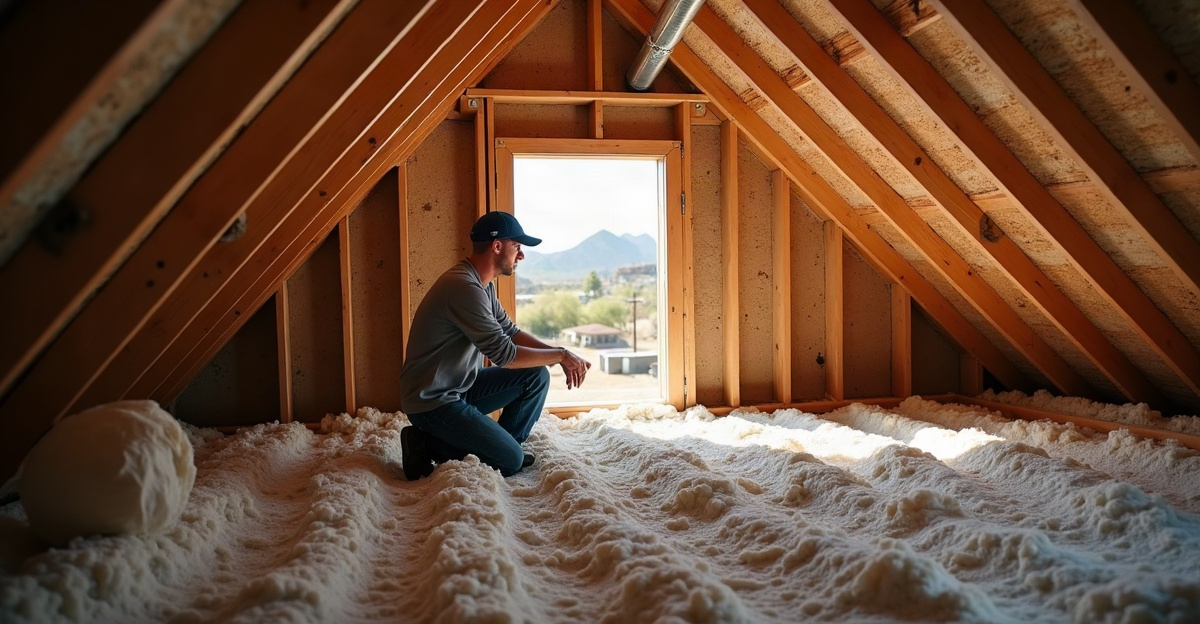
Attic insulation changes the way a building manages heat, air, and moisture. The first decision is whether we insulate the attic floor or the spray foam roof deck.
Insulating the attic floor generally leaves the attic outside the conditioned area. The ceiling plane becomes the main thermal and air boundary. Insulating the roof deck changes that boundary and can create an unvented attic. In that assembly, the attic may become part of the conditioned building enclosure.
Neither approach works as a universal rule. Attic ventilation and spray foam strategies depend on the existing roof assembly, local climate, building code requirements, duct location, and the intended attic design. We should not add ventilation automatically to every insulated attic, and we should not leave every sealed attic vented. The design must match the assembly.
Changing an attic to an unvented attic can affect HVAC equipment, ductwork, moisture control, and combustion safety. If atmospheric-combustion appliances sit in or near the attic, qualified professionals should complete a combustion air evaluation and review appliance venting before we seal the building envelope.
Spray foam moisture problems often begin before foam arrives on site. Roof leaks, wet roof decking, existing mold, plumbing leaks, and drainage concerns require repair first. Sealing an attic without correcting the source can make inspection and repair harder later. Our spray foam insulation service starts with evaluating the conditions that affect long-term performance.
How to Avoid Spray Foam Insulation Problems Before Work Begins
The best way to avoid spray foam insulation problems is to assess the entire building envelope before installation. We review roof condition, moisture concerns, existing insulation, attic ventilation or unvented-attic design, air leakage, ducts, HVAC equipment, and combustion appliances where applicable.
Energy results vary by property. Existing insulation levels, duct location and leakage, HVAC efficiency, occupancy patterns, building design, and air leakage all affect utility use. We don’t promise a fixed percentage of energy savings without property-specific information.
A capable contractor selects the foam type and spray foam thickness for the assembly instead of applying one standard method to every home. For existing homes with access constraints or changing needs, retrofit insulation options may also be worth considering.
Questions to Ask a Spray Foam Contractor
Before approving work, we should ask clear questions and expect clear answers:
- Which foam type is proposed, and why does it fit this attic or building assembly?
- What thickness is specified, and how will the crew verify it?
- Will the inspection check for roof leaks, wet sheathing, mold, and other moisture conditions?
- Will the attic remain vented with an insulated floor, or become an unvented attic with roof-deck insulation?
- How will the plan address ventilation, attic moisture management, HVAC equipment, ducts, and combustion safety?
- Which manufacturer safety procedures, ventilation requirements, and reoccupancy guidance will the crew follow?
- What spray foam quality control checks occur during installation?
These spray foam insulation contractor questions help establish whether the proposal addresses the building rather than simply the square footage. A thorough residential insulation assessment gives us a clearer basis for the decision.
What to Do If We Suspect an Existing Spray Foam Issue
We should document the condition before arranging a spray foam inspection. Take clear photos of gaps, cracking, foam pulling away from framing, moisture staining, and visible uneven coverage. Record odors, temperature differences between rooms, HVAC changes, and meaningful shifts in utility use.
A qualified insulation professional should assess the foam alongside the roof condition, attic configuration, moisture sources, ventilation strategy, ductwork, HVAC operation, and combustion safety where relevant. Looking only at the foam can miss the actual reason for the problem.
Corrective work varies. Some cases need localized sealing or repairs to air leaks. Others require roof or moisture-source repairs, duct improvements, or changes to the attic design. In serious cases, spray foam remediation may include partial or full spray foam insulation removal followed by a corrected installation.
Removal is labor-intensive, but it isn’t automatically impossible. Crews must use careful methods around wiring, roof decking, framing, and interior finishes to avoid creating further damage. The right attic insulation repair depends on the specific defect and its cause.
We avoid fear-based claims about “toxic foam,” automatic mold growth, or inevitable roof damage. The practical path is to identify the condition, correct its source, and choose a repair that restores the intended air, thermal, and moisture performance. For help evaluating a suspected issue or planning a new installation, contact our insulation team.