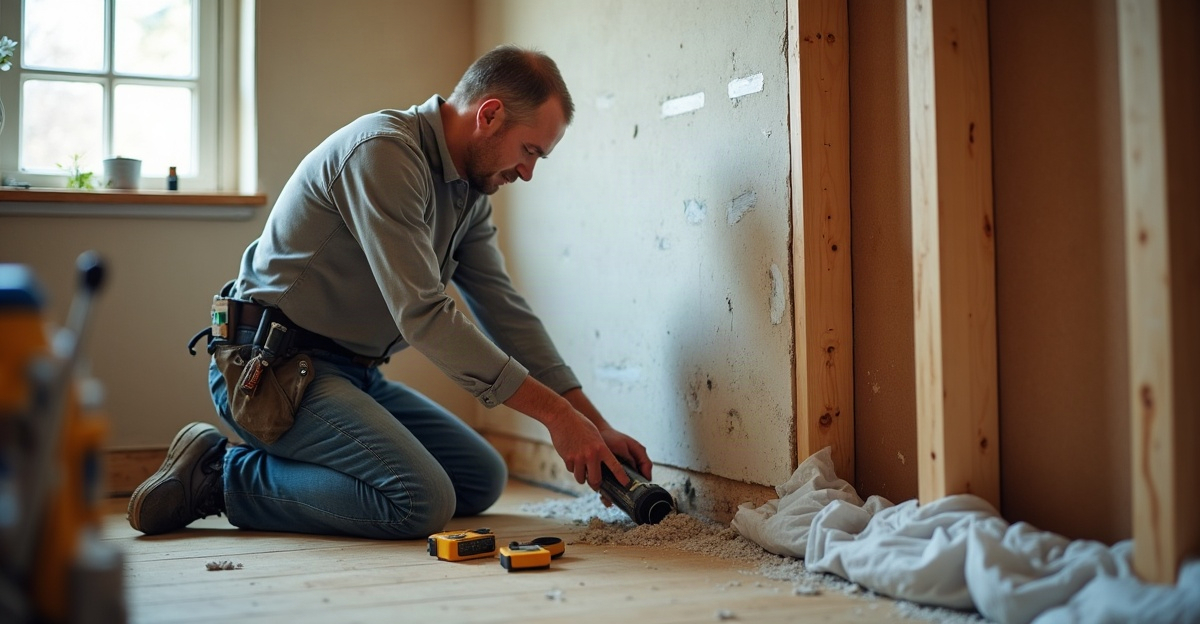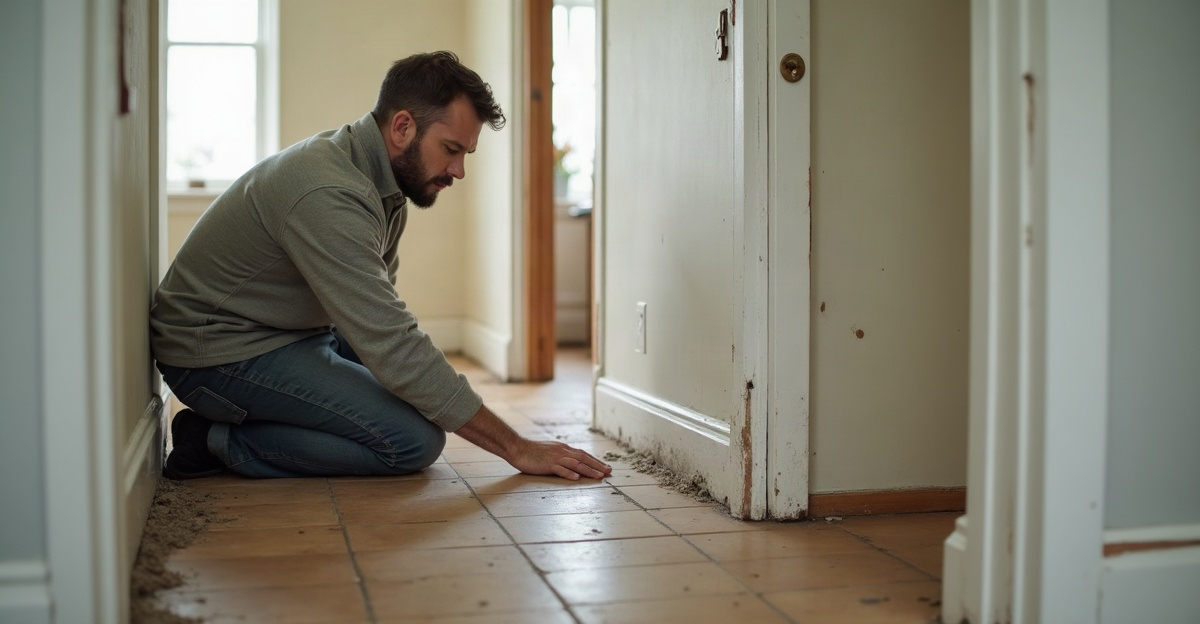
Does Adding Insulation Increase Home Value in Arizona?
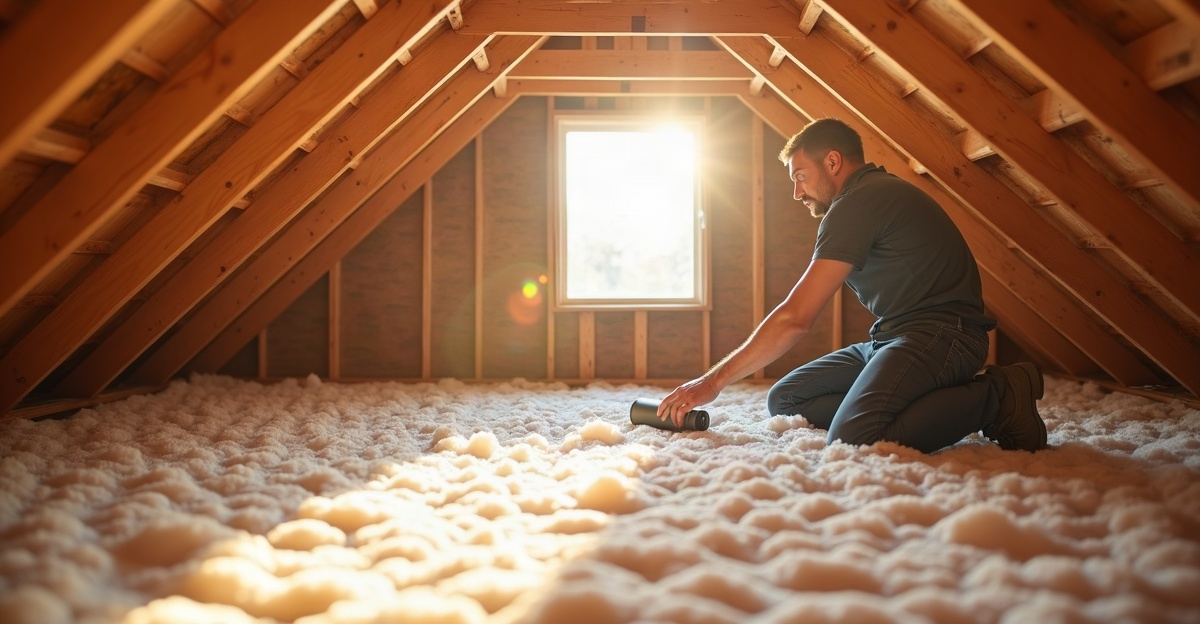
Adding insulation can increase a home’s appeal in Arizona. It improves comfort, limits excess heat gain, and can support buyer interest. Appraisal and sale-price results still depend on comparable sales, property condition, local demand, and documented installation quality.
Key Takeaways
- Insulation does not guarantee a set increase in appraised value or resale price. It can improve marketability and reduce operating costs.
- Arizona attic insulation matters most when extreme attic heat, exposed ductwork, air leaks, or limited existing coverage raise cooling demand and reduce indoor comfort.
- Insulation upgrades deliver the greatest benefit when current material is thin, uneven, compressed, damaged, contaminated, or missing.
- Air sealing and duct upgrades should often accompany insulation. These improvements can address hot rooms, uneven temperatures, and cooling losses more effectively.
- We should keep invoices, material specifications, installed R-values, photos, warranties, and inspection records. These documents help buyers and appraisers understand the upgrade.
The Short Answer: Insulation Can Improve Marketability, Not Guarantee a Higher Sale Price
Does adding insulation increase home value in Arizona? It can improve comfort, energy efficiency, and buyer appeal, but it does not guarantee a specific increase in appraised value or sale price.
We separate insulation’s value into three practical areas. Appraised value depends on comparable sales, local market data, property condition, appraisal practices, and the documentation available for the upgrade. An appraiser may recognize energy improvements, but insulation rarely produces a guaranteed dollar-for-dollar adjustment on its own.
Operating value relates to daily ownership. Better insulation and air sealing may reduce unnecessary heat gain and cooling demand, depending on the home’s design, current condition, ductwork, HVAC equipment, and installation quality. Our guide to retrofit insulation savings explains why existing conditions matter before estimating results.
Buyer-perceived value is often the most immediate benefit. Buyers may view a home more favorably when it feels consistent from room to room, has documented efficiency upgrades, and shows lower or more predictable utility use. A well-insulated home can also stand out against similar homes with aging or visibly inadequate attic insulation.
We view insulation as part of a broader home-performance strategy. Local market conditions, utility costs, buyer priorities, comparable sales, installation quality, and the home’s starting condition all affect potential resale impact. A property-specific evaluation can help determine whether an upgrade is likely to make practical sense.
Why Insulation Has Practical Value in Arizona Homes
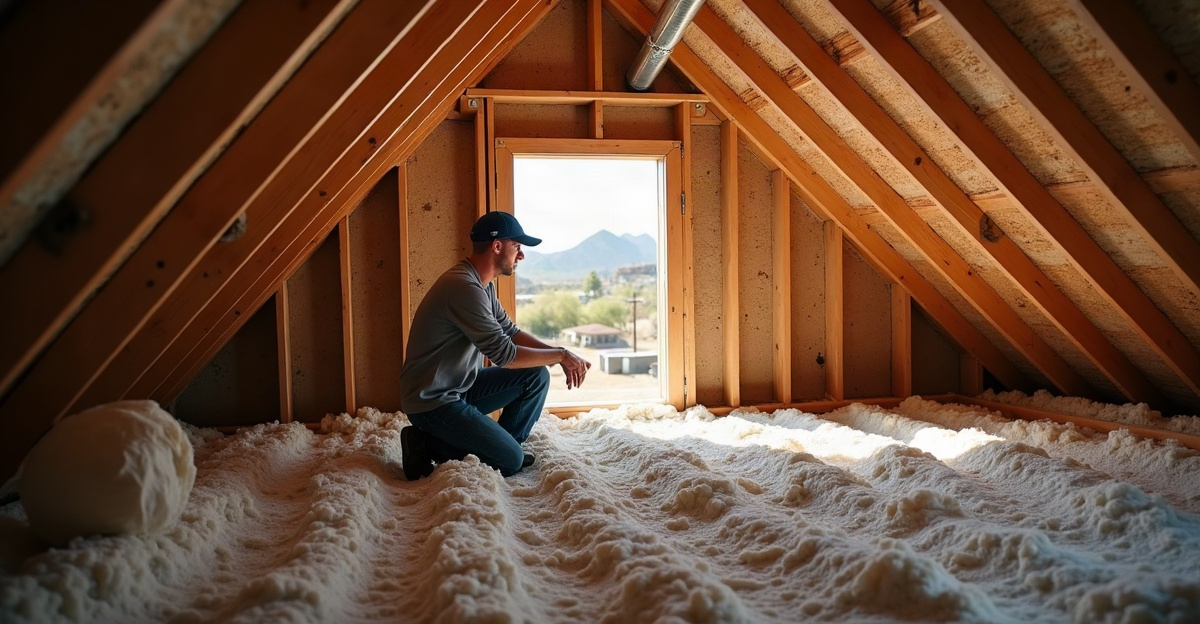
Arizona homes face intense summer heat and cooling-dominated energy use. Attics can become extremely hot, especially when they contain ductwork, recessed lighting, plumbing penetrations, and other openings between the attic and living space.
Heat naturally moves from hotter areas into cooler areas. In summer, attic heat can move down through the ceiling and into conditioned rooms. Insulation slows this heat flow. It does not stop all heat transfer, but proper coverage can reduce the load placed on the cooling system.
R-value measures a material’s resistance to heat flow. A higher R-value generally offers greater resistance, but the appropriate target depends on the attic assembly, climate, current insulation level, project goals, and available space.
Attic insulation often matters most in Arizona homes with ducts located above the ceiling. Those ducts sit in extreme heat, and leakage or weak duct insulation can add to cooling demand before conditioned air reaches the rooms below.
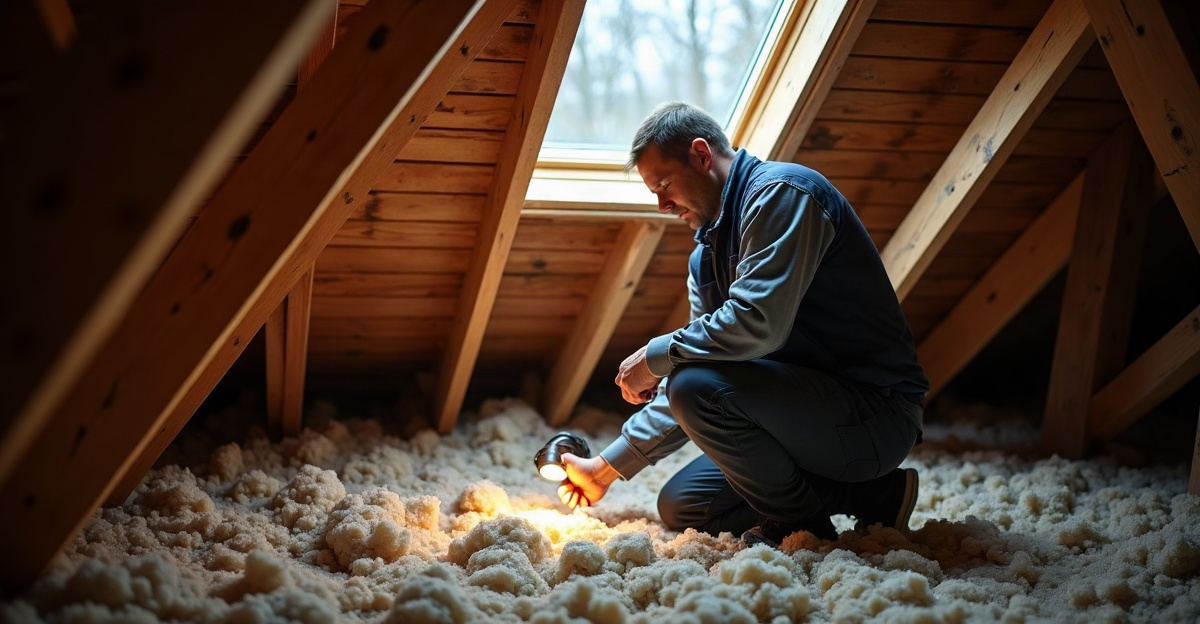
Common warning signs include hot rooms below the attic, uneven temperatures, unusually high cooling costs after other major factors have been reviewed, and insulation that looks thin, uneven, compressed, damaged, or missing. Visible gaps around attic penetrations and ducts exposed to high heat also warrant attention. We recommend reviewing the signs of failing insulation before deciding whether to add material or replace it.
Results vary. Climate zone, home design, HVAC performance, occupancy habits, insulation levels, and workmanship all influence the outcome.
When Insulation Is More Likely to Be Worth the Investment
Does new insulation increase home value for a specific property? It is more likely to support comfort, efficiency, and buyer appeal when the existing attic has a clear deficiency. Thin, uneven, compressed, damaged, or missing insulation creates a stronger case for improvement than an attic that already has effective coverage.
Upgrades can make particular sense when rooms below the attic remain hot, gaps allow attic air into the home, ducts show leakage concerns, or cooling costs remain high after other major issues have been considered. Insulation work can also fit well during renovations, reroofing projects, and resale preparation.
Questions to Review Before Moving Forward
A practical assessment should answer the following:
- What condition is the current insulation in?
- Are attic air leaks or duct issues contributing to discomfort?
- Which rooms are uncomfortable, and when do those problems occur?
- Is the primary goal comfort, lower cooling demand, code compliance, renovation work, or resale preparation?
- Which material and installation approach fit the construction and budget?
- What documentation will be available after installation?
Assessment or removal may need to come first. Water-damaged, mold-affected, pest-contaminated, or severely compressed insulation should be evaluated before new material is installed. We should not simply cover damaged insulation. Roof conditions, active moisture sources, ventilation needs, and contamination issues require attention before replacement where necessary.
For homes with known deficiencies, retrofit insulation services can address older assemblies without treating every property as a complete rebuild.
Insulation, Air Sealing, Ductwork, and Installation Quality Work Together
Insulation alone may not solve high cooling bills or hot rooms. Attic air leakage, duct leakage, HVAC sizing and performance, roof condition, window performance, ventilation, and occupancy habits can all affect comfort.
The most meaningful attic improvements often address insulation and air leakage together. Gaps around wiring, plumbing, recessed fixtures, framing transitions, and attic access points can allow hot attic air to move into the home. Sealing appropriate penetrations before insulation is installed helps the insulation perform as intended.
A professional evaluation reviews insulation condition, coverage, depth, attic penetrations, ducts, access constraints, ventilation pathways, roof concerns, moisture concerns, and suitable material options. Quality installation remains central. We focus on complete coverage, correct depth or density, minimal gaps and compression, protected ventilation pathways where required, and practical access to difficult areas.
| Upgrade | Potential Homeowner Benefit | What Affects Results | Potential Value Impact |
|---|---|---|---|
| Attic insulation | Can reduce excessive heat transfer and improve comfort. | Existing insulation, target R-value, coverage, attic conditions, and installation quality. | May strengthen marketability and operating value. |
| Attic air sealing | Can limit unwanted hot-air movement through attic penetrations. | Leak locations, sealing quality, ventilation approach, and home design. | May support comfort and efficiency when paired with insulation. |
| Spray foam in targeted areas | Can help in certain assemblies, complex shapes, or difficult-to-air-seal areas. | Assembly design, moisture considerations, ventilation approach, target R-value, and installation. | May improve buyer appeal when the application fits the home. |
| Duct sealing and insulation | Can reduce losses from attic ductwork. | Duct condition, leakage, insulation levels, and HVAC performance. | May improve comfort and cooling-system performance. |
| Insulation removal and replacement | Can address damaged, contaminated, severely compressed, or inadequate material. | Resolving water, pest, mold, roof, and air-leak issues first. | May correct a visible or known property deficiency. |
Choosing Between Fiberglass, Cellulose, and Spray Foam
Does spray foam insulation increase home value? Spray foam can contribute to comfort, air sealing, and buyer appeal in the right application, but it does not automatically increase home value by a set amount. It also is not the best choice for every Arizona home.
Fiberglass can be an effective, cost-conscious option for many attic applications when installed with proper depth and full coverage. Cellulose can also perform well where the assembly and installation method suit the project. Spray foam can be valuable in complex shapes, certain assemblies, and hard-to-air-seal areas.
Material selection should reflect the building design, existing conditions, budget, target R-value, ventilation approach, moisture considerations, and workmanship. We avoid treating one material as the answer to every project. Our overview of the best insulation for Arizona homes provides useful context for comparing common options.
A professional recommendation should account for attic configuration, duct locations, access, air leakage, roof conditions, and whether the work involves a retrofit, renovation, or new construction. Where foam is appropriate, our spray foam insulation services can help evaluate the right application.
How to Support Buyer Appeal and Make a Confident Hiring Decision
A comfortable, well-documented home may be easier to market, even if an appraisal does not show a separate adjustment for insulation. Clear records help agents, buyers, and appraisers understand what changed and distinguish verified improvements from unsupported energy-efficiency claims.
We recommend retaining the contractor invoice, material specifications, installed R-value and depth, air-sealing scope, warranty information, before-and-after photos, inspection notes, and any available utility or energy-performance reports.
Before hiring an Arizona insulation contractor, we should confirm the existing insulation condition and whether removal is necessary. We should also ask whether the contractor will identify and seal attic penetrations, maintain coverage and ventilation pathways, evaluate attic duct concerns, explain the recommended material, and provide photos, specifications, and warranty details after completion. Our residential insulation services focus on these practical factors.
Frequently Asked Questions
Does new insulation increase home value? It may improve comfort, efficiency, and buyer appeal, but a measurable appraisal or sale-price increase depends on local market data, comparable sales, property condition, and buyer priorities.
Does spray foam insulation increase home value? It may add practical value in suitable areas, especially difficult-to-air-seal assemblies, but it is not automatically the best material or a guaranteed resale-value increase.
Is attic insulation worth it in Arizona? It can be worthwhile when insulation is inadequate or damaged, attic heat affects living spaces, air leaks are present, or attic ducts contribute to comfort and cooling concerns. We cover this in greater detail in spray foam value in Arizona.
Will insulation lower cooling bills? Insulation and air sealing may reduce unnecessary heat gain and cooling demand, but results vary by the home, HVAC system, ductwork, installation quality, occupancy habits, and existing insulation levels.
Should old insulation be removed first? Water-damaged, mold-affected, pest-contaminated, or severely compressed material should be assessed before new insulation is added. We should not cover damaged insulation without addressing the cause.
Is air sealing necessary before adding attic insulation? Air sealing is often an important part of an effective attic upgrade because unresolved gaps can allow hot-air movement that reduces overall performance.
If our Arizona home has hot rooms, high cooling costs, uneven temperatures, or aging attic insulation, a professional evaluation can identify whether insulation, air sealing, duct improvements, or a combination of upgrades is the most practical next step. We can schedule an assessment through our contact page.