Types of Blow-In Insulation: Which One Is Best for Your Home?
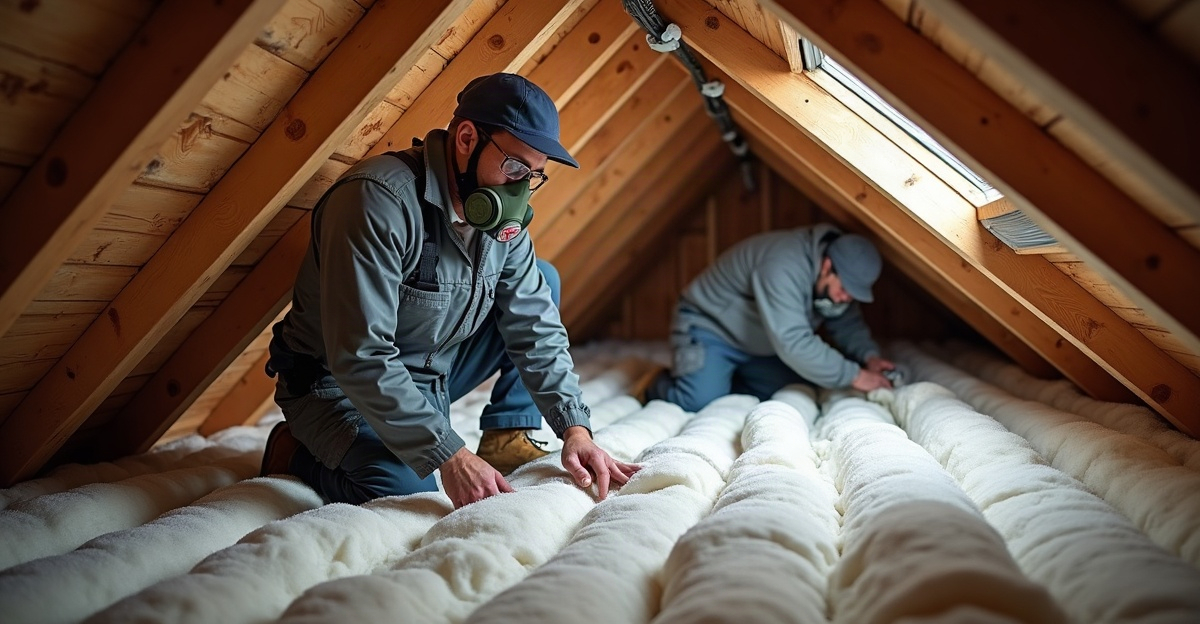
The main types of blown-in insulation include cellulose, fiberglass, and mineral wool. Each option suits different attic, wall, moisture, budget, and performance needs. We choose the best option based on the installation method, required depth, existing insulation, air leaks, ductwork, and the home’s overall building-envelope condition.
Key Takeaways
- Cellulose suits attic retrofits and dense-pack wall cavities when installers plan for the required depth and expected settling.
- Fiberglass remains a common loose-fill option for open attic floors where wide coverage, low material weight, and budget matter most.
- Mineral wool can support specialty projects that prioritize fire resistance, sound control, or specific assembly needs, depending on local availability.
- Air sealing, even coverage, correct density, and proper installed depth matter as much as material selection for effective thermal performance.
- We address roof leaks, moisture, mold, pests, damaged insulation, and duct problems before adding or replacing blown-in insulation.
The Short Answer: Cellulose, Fiberglass, and Mineral Wool Each Fit Different Projects
The most common types of blow-in insulation are cellulose and fiberglass. Mineral wool may also be available for certain applications or local markets.
No single material is best for every home. We choose between blow-in insulation types based on the attic or wall assembly, available depth, existing insulation, air leaks, moisture conditions, code requirements, budget, and performance goals.
Blow-in insulation helps reduce heat transfer and can improve indoor comfort. Actual results also depend on the full building envelope, HVAC operation, duct leakage, household use, climate exposure, and installation quality. We do not promise a set utility-bill reduction because those conditions vary from home to home.
R-value measures resistance to heat flow. Total installed R-value depends on the material, installed depth, even coverage, and the complete attic assembly, not the insulation product alone. For a fuller overview of the process, review blow-in insulation basics.
| Factor | Cellulose | Fiberglass | Mineral Wool |
|---|---|---|---|
| Composition | Typically recycled paper fibers with treatment additives | Spun glass fibers | Rock or slag wool fibers |
| Typical applications | Attic retrofits and dense-pack wall cavities | Loose-fill attic floors | Specialty assemblies where available |
| Thermal performance | Effective when installed at the specified density and depth | Effective with consistent coverage and required depth | Effective performance varies by product and assembly |
| Depth requirements | Requires planned installed depth to allow for settling | Requires sufficient depth for the project target | Depends on product, method, and assembly |
| Settling | Can settle over time | Generally has lower settling concerns in open attics | Varies by product and installation method |
| Moisture behavior | Needs dry, controlled conditions | Does not absorb water in the same way as cellulose | Requires a suitable dry assembly |
| Fire characteristics | Typically treated for fire resistance | Glass fibers are noncombustible | Known for fire-resistant, noncombustible properties |
| Pest considerations | Treatment may deter pests but will not resolve active activity | Does not solve pest entry or contamination issues | Does not solve pest entry or contamination issues |
| Weight | Heavier than fiberglass | Low material weight | Varies by product |
| Cost considerations | Project pricing depends on depth, access, and installation method | Often practical where broad coverage and budget matter | Availability and specialty requirements can affect cost |
| Installation notes | Works well for dense-pack when installed correctly | Common choice for open attic floors | Confirm local availability and approved installation method |
Cellulose vs. Fiberglass vs. Mineral Wool: Practical Material Differences
Cellulose is often a strong option for attic retrofits and dense-pack wall applications. Its fiber structure can fill irregular cavities effectively, and its recycled content appeals to many homeowners. Cellulose can settle, so we follow manufacturer coverage charts and install the required depth. Settling alone should not rule out cellulose when the installation accounts for it correctly.
Manufacturers typically treat cellulose for fire resistance and pest deterrence. Those treatments do not correct an active roof leak, ongoing moisture problem, or pest infestation. We address those conditions before installing insulation.
Fiberglass is widely used for loose-fill attic applications. It can be a practical choice where low material weight, wide coverage, and budget are priorities. Fiberglass does not absorb water in the same manner as cellulose, yet wet or contaminated insulation still requires evaluation along with the surrounding building materials. Proper depth and even coverage remain essential.
Mineral wool may fit projects that prioritize fire resistance, sound control, or a specific assembly requirement. Its availability, approved installation approach, and suitability for blow-in work vary by market and application. We view it as a potential fit rather than a universal recommendation.
Cost, local product availability, project specifications, and installer experience all influence which of the different types of blow-in insulation is practical. This is true for attics, older-home retrofits, new construction, and light commercial work. For a direct material comparison, see batt versus blow-in insulation.
Loose-Fill, Dense-Pack, R-Value, and Air Sealing: Installation Determines Performance
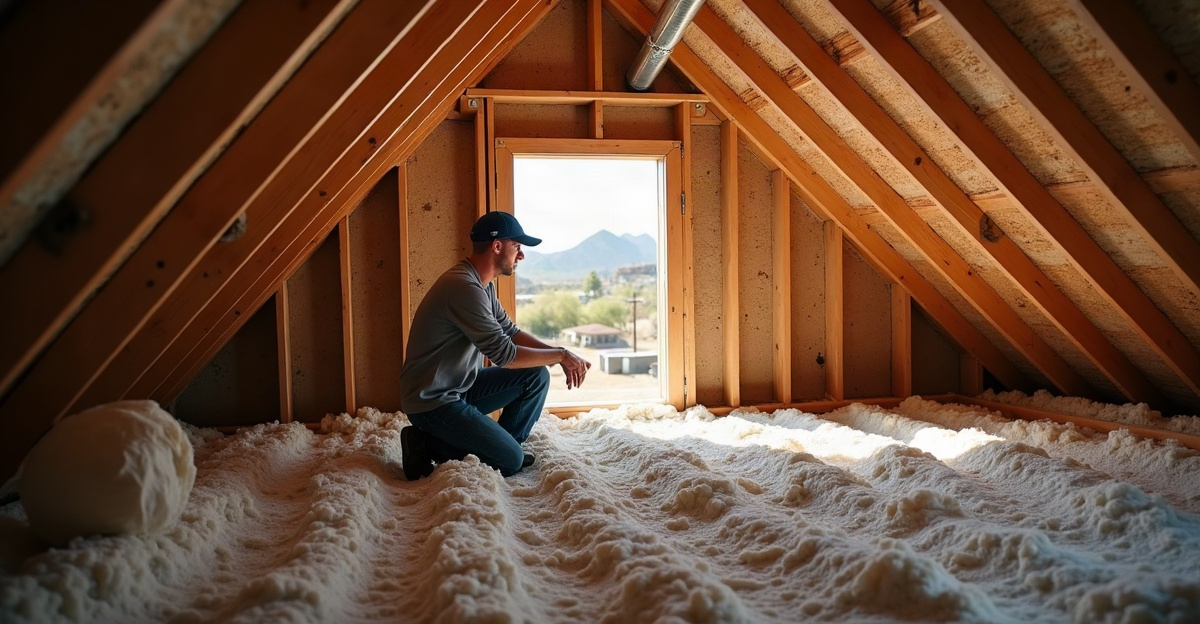
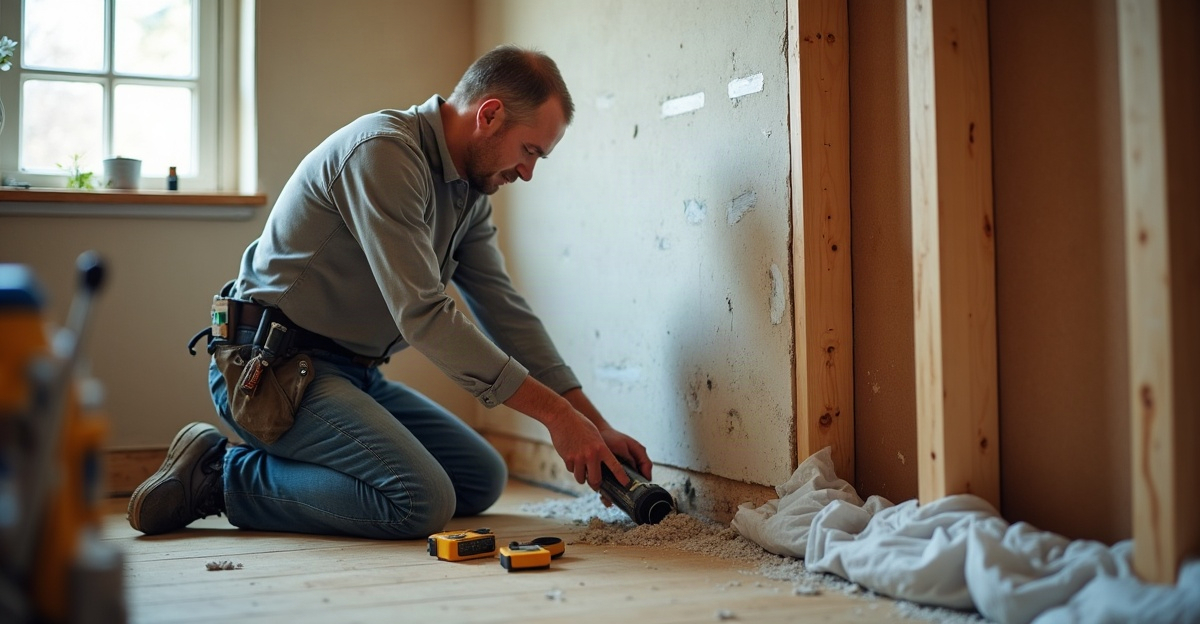
Loose-fill insulation is commonly blown across open attic floors. Dense-pack insulation fills enclosed wall cavities and certain retrofit assemblies at a controlled density. These methods have different access needs, coverage requirements, and installation standards.
Material selection matters, but installation method matters just as much. A loose-fill attic installation needs uniform coverage across the entire attic floor. Dense-pack work requires the correct density to fill cavities without leaving gaps or causing wall issues.
We evaluate air sealing before adding insulation. Insulation adds thermal resistance, but it does not reliably close every air leak. Common attic bypasses include top plates, plumbing and electrical penetrations, recessed fixtures where applicable, attic hatches, duct penetrations, and openings around chases.
A higher material R-value does not automatically create a specific utility-bill reduction. We confirm applicable local energy-code requirements and project specifications instead of relying on a universal target. Our attic efficiency guide explains why insulation depth, air movement, and attic conditions work together.
For projects with wall cavities, restricted access, or uneven existing insulation, retrofit insulation services can help address the assembly without unnecessary disruption. Spray foam may also suit selected air-sealing details, which we assess separately through spray foam insulation options.
What Arizona Attics Need: Heat Gain, Ducts, Moisture, and Existing Insulation
Arizona attics can experience intense heat. Sufficient insulation depth helps limit heat transfer from a hot attic into the conditioned space below. Air leaks can also allow conditioned air to escape while hot attic air affects comfort.
We inspect attic ductwork and HVAC equipment for leakage, inadequate insulation, and other performance concerns. Insulation can support a better-performing attic, but it cannot correct disconnected ducts, poorly performing equipment, or major envelope gaps.
Insulation also does not fix roof leaks, bulk-water intrusion, ventilation failures, or existing mold. Roof condition, moisture management, and ventilation need attention where appropriate before insulation work begins.
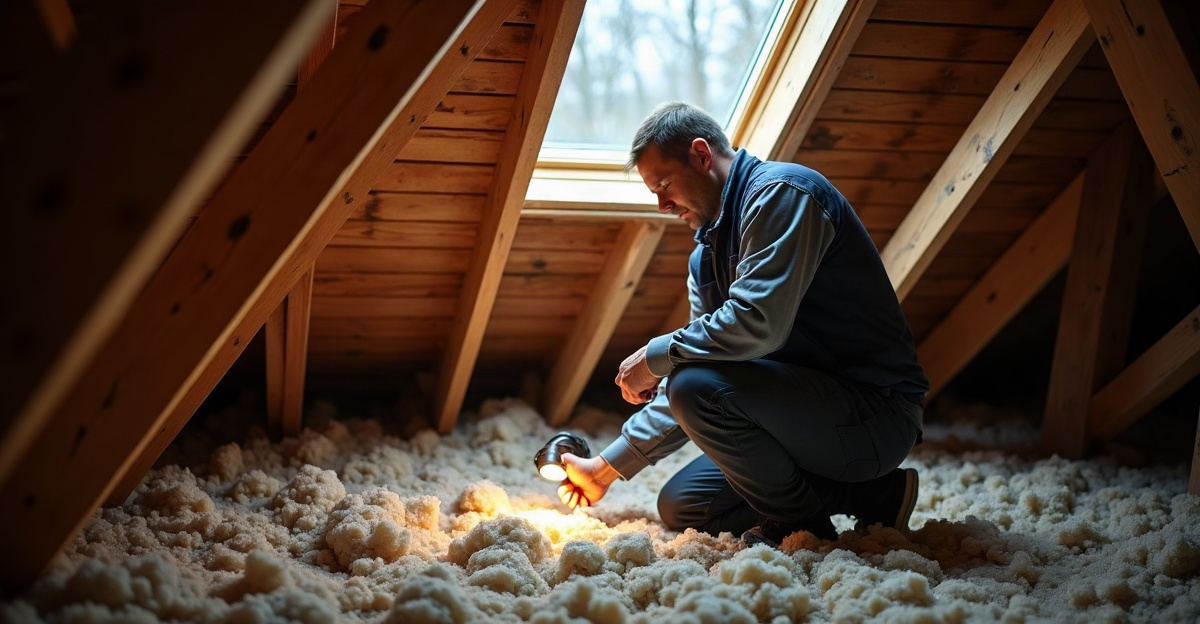
Some existing attic insulation can remain and receive a top-up. It should be dry, reasonably clean, and in serviceable condition. Wet, mold-affected, pest-contaminated, smoke-damaged, severely compressed, or degraded insulation may require removal or remediation first. An on-site attic inspection determines whether air sealing, topping up, removal, or full replacement makes sense.
Arizona-specific material choices deserve a climate-focused review. Our guide to Arizona home insulation covers key considerations for hot-weather performance.
Which Blow-In Insulation May Fit Your Project?
Cellulose may be a good fit for attic retrofits and dense-pack wall applications, especially where recycled content and cavity filling matter. We account for installed depth and expected settling from the start.
Fiberglass often works well for loose-fill attic floors where low material weight, broad coverage, and budget are priorities. Mineral wool may be worth considering where fire resistance, sound control, or project-specific assembly requirements lead the decision, subject to availability and the approved installation method.
The best blow-in insulation types depend on project conditions, not insulation material alone. We review the following points before making a recommendation.
Project Decision Checklist
Key details to assess include:
- Current insulation type, depth, condition, and coverage
- Attic access and available depth
- Air leaks and attic hatch condition
- Ductwork or HVAC equipment in the attic
- Roof leaks, moisture concerns, or pest activity
- Whether the project involves an open attic floor or enclosed wall cavities
- Performance goals, budget, and code or project requirements
- Whether professional inspection or installation is warranted
New-build projects also require coordination with framing, HVAC, and code details. Review new-construction insulation options before finalizing the insulation approach. Existing homes often need a different plan, as outlined in our guide to insulation for older homes.
When Professional Inspection or Installation Is Especially Valuable
Equipment rentals may be available for straightforward attic work. Still, consistent coverage, correct depth, dense-pack requirements, air sealing, safe attic movement, electrical and fire safety, and hidden attic issues can make professional installation the better choice.
An on-site evaluation is especially helpful with unknown or damaged existing insulation, moisture evidence, roof leaks, mold, pests, contamination, attic HVAC equipment, leaky ducts, limited access, or complicated attic geometry. Dense-pack wall cavities also need the right equipment and installation control. Questions about insulation removal, local code requirements, and material selection warrant a professional review.
We use current manufacturer installation guides, ENERGY STAR guidance, U.S. Department of Energy information, Building America resources, and applicable Arizona and local code requirements to inform project decisions. If you are unsure whether an attic needs air sealing, insulation removal, or added insulation, schedule an on-site insulation assessment with Tightseal.