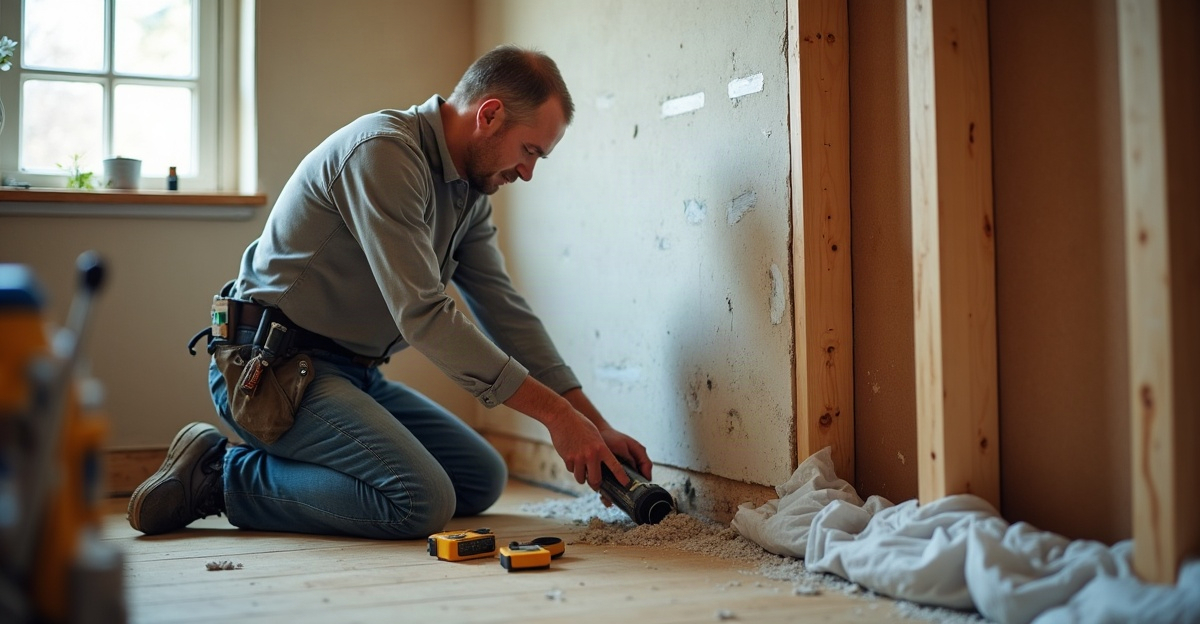
What Is Blow-In Insulation Made Of for Arizona Homes?
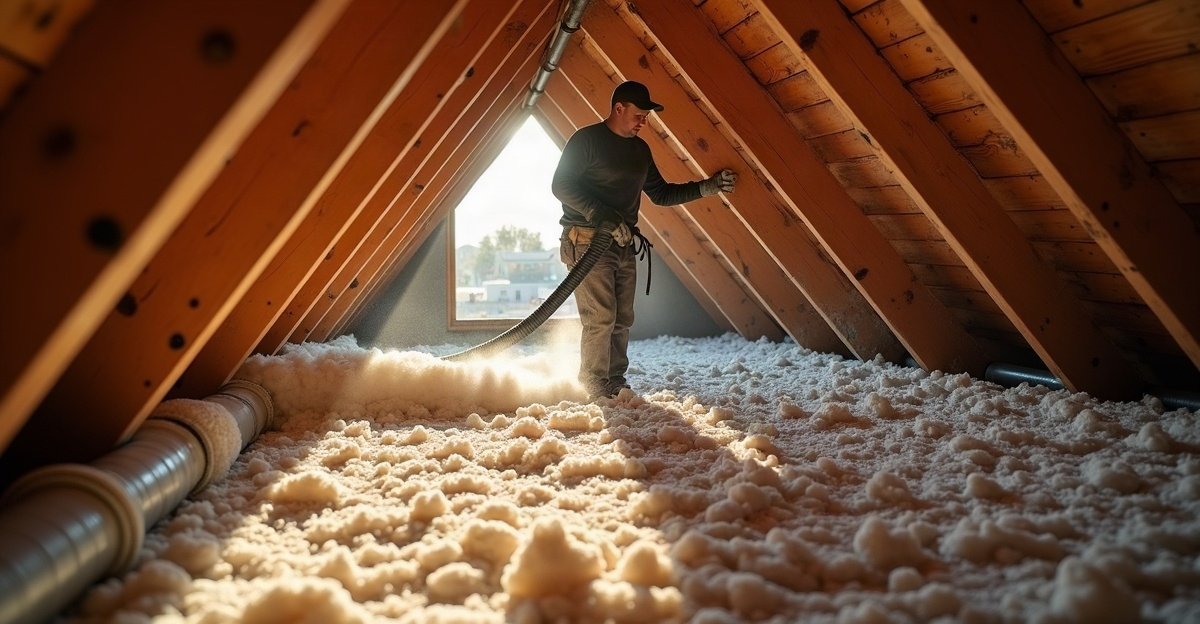
Blow-in insulation for Arizona homes depends on the loose-fill material we select. Common options include fiberglass, cellulose, and mineral wool. Each material has distinct coverage needs. Proper depth, air sealing, and attic conditions drive long-term performance in Arizona’s heat.
Key Takeaways
- Blow-in insulation uses specialized equipment to distribute loose-fill material across attics or inside wall cavities.
- Loose-fill fiberglass contains spun glass fibers. Cellulose uses recycled paper fibers with fire-retardant additives. Mineral wool uses fibers from rock or slag.
- Arizona attics need even insulation depth and complete coverage to reduce heat transfer and lower cooling demand.
- We should evaluate air sealing before adding insulation. Loose-fill materials can’t reliably block airflow through ceiling gaps, cracks, and penetrations.
- We can leave existing insulation in place if it remains dry, clean, and evenly distributed. We should correct wet, contaminated, or severely compressed material first.
Blow-In Insulation: The Materials and What “Blow-In” Means
Blow-in insulation is usually made from loose-fill fiberglass, cellulose, or mineral wool. The direct answer to what blow-in insulation is made of depends on the product selected, but these three material categories are the most common.
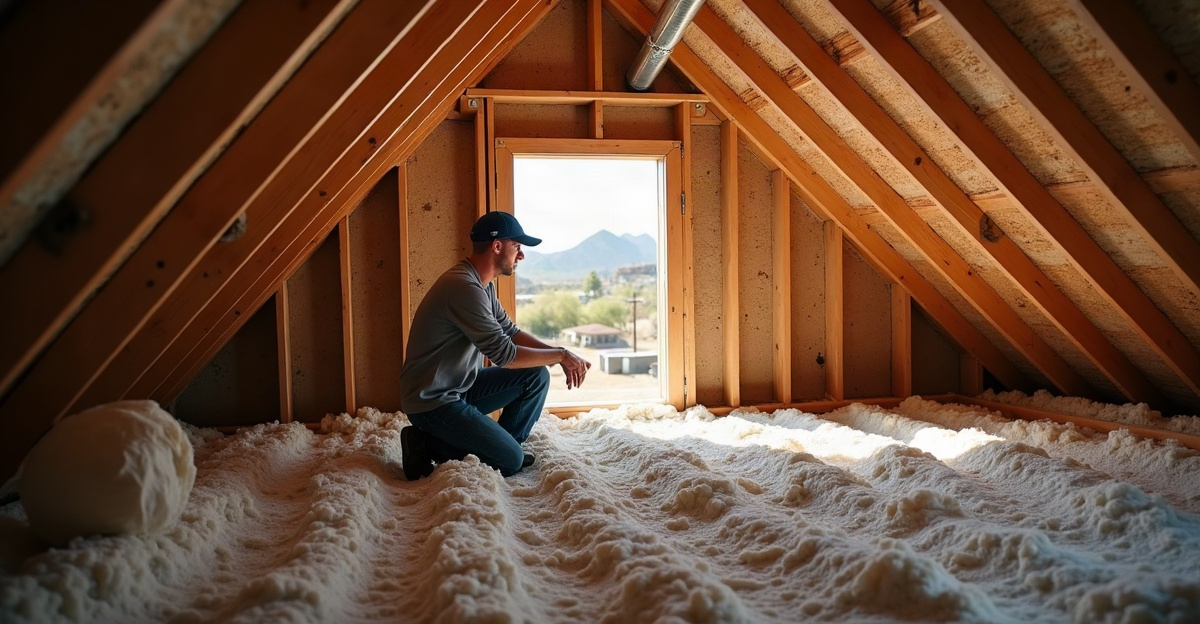
“Blow-in” and “loose-fill” describe an installation method, not one specific material. We use specialized equipment to move loose fibers or particles through a hose, creating consistent coverage across an attic floor or, in some cases, inside enclosed wall cavities.
This approach differs from batt insulation. Batts come as pre-cut rolls or panels, while loose-fill insulation consists of individual fibers or particles that can fill around framing, ducts, wiring, and many attic obstructions. For a fuller comparison, see our guide to batt versus blow-in insulation.
No single material is universally best. What blow-in insulation is made of matters, but so do installed depth, density, R-value target, attic layout, existing insulation, air leakage, and installation quality. We evaluate the full attic condition before recommending a material or scope of work.
| Material and composition | Common strengths | Practical considerations | Fire characteristics | Settling and coverage considerations | Questions to ask an installer |
|---|---|---|---|---|---|
| Fiberglass: spun glass fibers, sometimes with recycled glass content | Lightweight and commonly used to add attic coverage | Can cause temporary skin, eye, or respiratory irritation during handling | Fiberglass is a noncombustible material | Requires the correct installed depth and even coverage | What depth reaches the target R-value? Can it go over existing insulation? How will coverage be verified? |
| Cellulose: recycled paper fibers with fire-retardant additives, often borate-based | Uses recycled content and fills irregular spaces well | Can create dust during installation; proper containment and protective equipment matter | Treatment improves fire resistance characteristics but does not make an insulation system fireproof | Can settle over time, so initial depth must account for settled thickness | What settled-thickness requirement applies? What treatment does the product use? How is settling addressed? |
| Mineral wool: mineral-based fibers commonly derived from rock and/or slag | Noncombustible material characteristics | Availability and attic applications vary by manufacturer and market | Mineral wool is a noncombustible material | Product-specific depth, R-value, and coverage requirements apply | Is loose-fill mineral wool available? What product requirements apply to this attic? |
Fiberglass, Cellulose, and Mineral Wool: What Each Type Is Made Of
Loose-Fill Fiberglass
Loose-fill fiberglass generally consists of spun glass fibers. Some products include recycled glass content. It is lightweight, works well for adding attic coverage, and can flow around many common attic obstacles.
Fiberglass is noncombustible, but we should not describe any complete insulation system as fireproof. During installation, the fibers may cause temporary skin, eye, or respiratory irritation. Professional handling practices, containment, and proper protective equipment help limit exposure.
We confirm the manufacturer-required depth for the target R-value, determine whether existing insulation is suitable to remain, and use depth markers to verify even coverage. Learn more about blow-in insulation service options for Arizona attics.
Cellulose and Mineral Wool Loose-Fill
Cellulose is generally made from recycled paper fibers and typically treated with fire-retardant additives such as borate-based products. Recycled content can be a useful consideration, but it does not automatically make cellulose the right choice for every home. Cellulose can create dust during installation and may settle over time, so we follow the product’s settled-thickness requirements and install enough material to maintain the intended coverage.
Mineral wool loose-fill uses mineral-based fibers commonly derived from rock and/or slag materials, depending on the product. Its noncombustible material characteristics can be valuable, though availability and approved applications vary. We verify that the selected loose-fill mineral wool product is available for the application and meets its stated R-value, depth, and coverage requirements.
How Blow-In Insulation Performs in Arizona Attics
Arizona attics face prolonged heat exposure during long cooling seasons. Insufficient insulation can allow more heat to transfer through the ceiling into living areas, which can increase cooling demand and contribute to uneven indoor temperatures.
R-value measures resistance to conductive heat flow. A higher target R-value generally requires a specified installed thickness, but no universal per-inch value applies to every loose-fill product. We rely on manufacturer coverage charts, product documentation, and applicable local energy-code requirements to determine the proper installed depth.
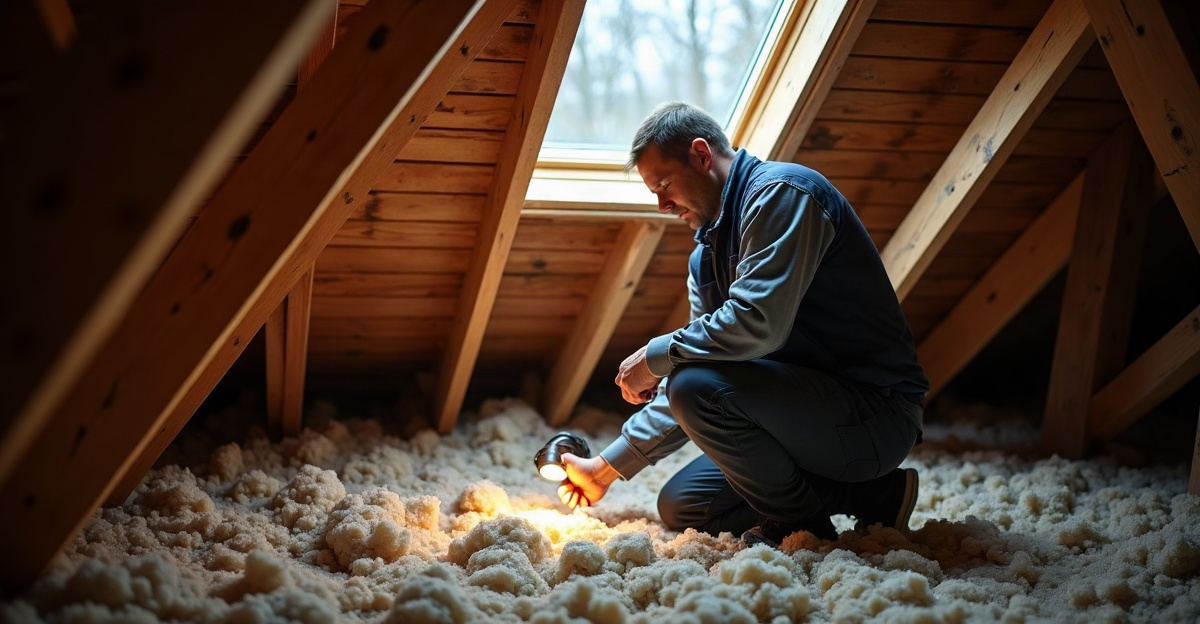
Every loose-fill material needs consistent initial depth and coverage. Attic rulers or depth markers give installers a clear way to confirm that insulation remains level across open areas and around obstructions. Our attic efficiency guide explains why consistent attic coverage matters.
Insulation is one part of the home-performance picture. Duct leakage, poorly insulated ducts, attic ventilation issues, solar heat gain, compressed insulation, and inadequate depth can all contribute to hot rooms and higher cooling demand. In Arizona attics, we commonly find uneven coverage, open ceiling penetrations, duct concerns, and insulation affected by years of heat exposure. Material selection should reflect those site conditions. Our overview of the best insulation for Arizona homes covers additional selection factors.
Why Air Sealing Matters Before Blow-In Insulation
Air sealing means closing gaps and openings that allow conditioned indoor air to move into the attic or allow hot attic air to affect the home. Loose-fill insulation slows conductive heat flow, but it does not reliably stop airflow through ceiling penetrations and other openings.
Common bypasses include top plates, plumbing openings, duct chases, recessed-light openings, recessed fixtures, and gaps around wiring. A thermal bypass is simply a pathway where heat and air move around or through insulation more easily than intended.
We evaluate air sealing before adding insulation, especially where there are visible gaps, dust movement, uneven temperatures, or high cooling demand. Insulation alone may not resolve every comfort issue. Attic ventilation, duct condition, roof heat gain, and HVAC equipment performance may also require attention. For homes with aging or inadequate coverage, our retrofit insulation services address the attic as a complete system.
Adding Blow-In Insulation Over Existing Insulation
In many cases, we can add loose-fill insulation over existing attic insulation. The existing material must be in suitable condition first. It should be dry, clean, and reasonably even so the new layer can perform consistently.
Before installation, we inspect for the following conditions:
- Active roof leaks or moisture damage
- Mold concerns or pest contamination
- Damaged wiring and unsafe recessed lighting conditions
- Severely compressed, contaminated, or poorly distributed insulation
- Complex ductwork, difficult access, or obstructed attic areas
- Uncertain existing insulation depth or a required R-value target
Professional installation is especially useful when air sealing is needed, contamination may be present, electrical or lighting conditions are unclear, or coverage needs accurate verification. Fiberglass can cause temporary irritation during handling, while cellulose can create dust during installation, so correct work practices matter.
Existing material does not always need removal. However, wet, contaminated, badly damaged, or heavily compressed insulation may need correction before new material is installed. Review common retrofit insulation signs if attic performance has declined.
Questions to Ask Before Choosing Blow-In Insulation
Attic Checklist and Common Answers
Before approving attic work, we recommend confirming these points:
- What material is currently in the attic?
- Is it dry, clean, and evenly distributed?
- Are ceiling penetrations sealed?
- Is insulation depth sufficient across the attic?
- Are ducts, wiring, recessed lights, and ventilation components in safe condition?
- Does the proposed material meet the required installed depth and coverage target?
- Will the installer use manufacturer coverage charts and attic rulers or depth markers?
- Has air sealing been evaluated before insulation is added?
Is blow-in insulation made of fiberglass? It can be. Loose-fill fiberglass is one of the primary materials, along with cellulose and mineral wool.
Is cellulose insulation made from recycled paper? Cellulose is generally made from recycled paper fibers and typically includes fire-retardant additives such as borate-based products.
Is blow-in insulation safe for an attic? It is commonly used in attics when the product suits the application and installation follows manufacturer instructions and safety practices.
Does blow-in insulation settle over time? Cellulose can settle over time. All loose-fill products require correct initial depth and consistent coverage.
Can blow-in insulation go over old insulation? Often, yes, after we inspect for moisture, contamination, damaged materials, and unsafe conditions.
Is blow-in better than batt insulation in an Arizona attic? It depends on the attic layout, air leakage, existing insulation, R-value target, product selection, and installation quality. Our explanation of what blow-in insulation is can help clarify the decision.
Should air sealing happen first? We should evaluate it first because insulation does not reliably stop airflow through attic bypasses.
If attic conditions, insulation depth, existing materials, or air leakage are unclear, schedule a professional residential insulation assessment before adding material.